Use a Solar Generator for Camping Trips?
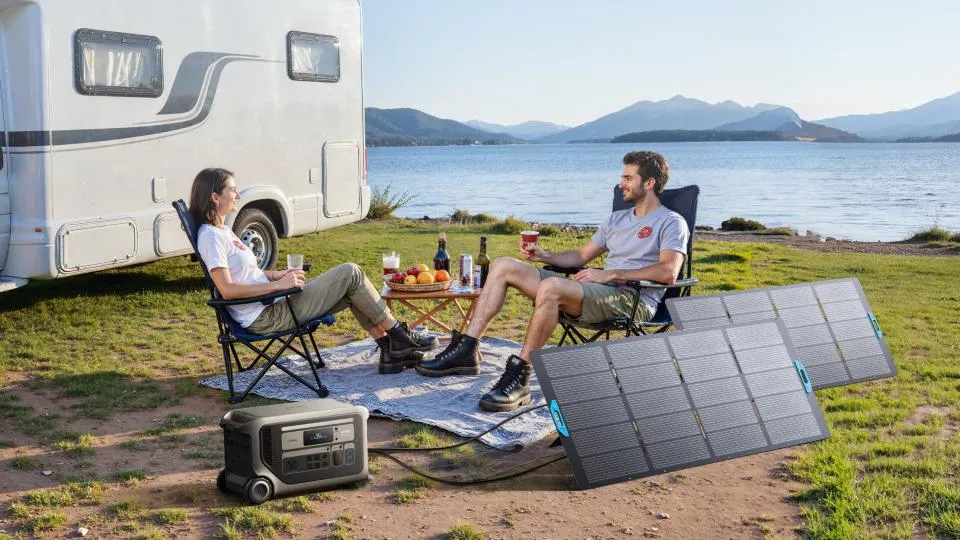
A solar generator is a practical power source for camping trips, especially if you want reliable electricity without fuel, fumes, or loud engine noise. It can keep phones, lights, cooking accessories, cameras, and small appliances running while you stay off the grid. For campers who work remotely, travel with family, or use comfort-focused gear, a solar generator adds flexibility and peace of mind. It also supports longer stays by letting you recharge from sunlight instead of depending only on pre-charged battery capacity. For many campers, that combination of portability, clean energy, and convenience makes a solar generator well worth bringing.
How Solar Generators Support Different Camping Power Needs?
Charging Electronics and Outdoor Essentials Away From the Grid
A solar generator helps campers power the devices they use most often, even when campsites have no electrical hookups. Phones, GPS units, headlamps, lanterns, tablets, cameras, rechargeable fans, and portable speakers can all be topped up from battery power stored during the day. That makes it easier to stay connected, navigate trails, document the trip, and handle emergencies. Many campers also use one to charge power banks, radios, and small medical devices that require dependable electricity overnight. Instead of rationing battery life or driving somewhere to recharge, you can manage essential electronics directly at camp. For weekend trips and longer stays alike, that added energy access improves safety and convenience.
Powering Camping Equipment for Greater Comfort and Convenience
Beyond personal electronics, a solar generator can support the gear that makes camping more comfortable. Depending on its output and battery size, it may run a portable fridge, electric cooler, air pump, coffee maker, projector, heated blanket, or small fan. That added capacity is useful for family trips, car camping, and basecamp setups where convenience matters. It can also supply steady power for cooking accessories, task lighting, and work equipment if you are camping while traveling. Instead of packing disposable batteries or relying on campground facilities, you bring your own portable energy source. The result is a more self-sufficient campsite with fewer compromises on comfort, food storage, and daily routines.
Benefits of Using a Solar Generator During Outdoor Adventures
Renewable Charging for Longer Off-Grid Trips
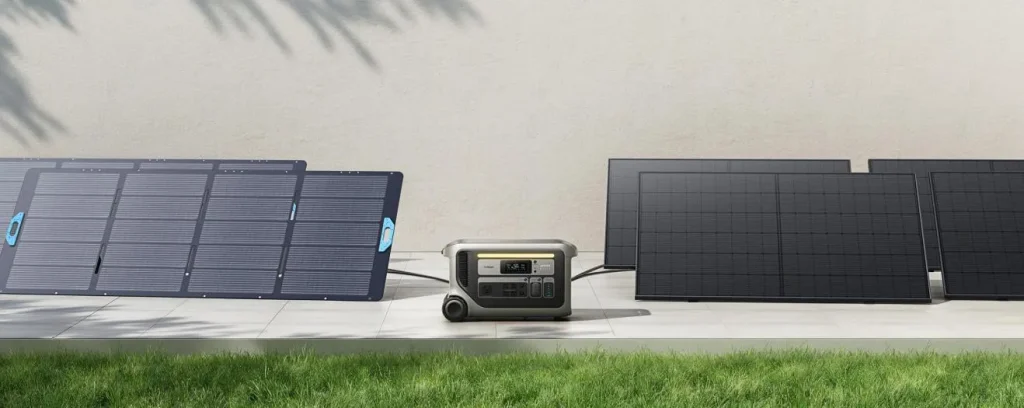
One of the biggest advantages of a solar generator is the ability to recharge from sunlight during the trip. That makes it especially useful for multi-day camping, overlanding, and remote stays where grid access is unavailable. Rather than using a fixed battery supply and hoping it lasts, you can recover power each day and extend your time outdoors. Some systems offer fast solar input for quicker turnaround in good conditions. For example, the Anker SOLIX F3000 + 400W Portable Solar Panel supports up to 2,400W (60V & 165V) solar input and can fully charge in under 2 hours with optimal sunlight. That kind of solar performance helps sustain heavier power use with less interruption.
Quiet and Clean Power Compared With Traditional Options
A solar generator offers a much quieter and cleaner experience than fuel-based power sources. You do not have to store gasoline, deal with exhaust, or listen to continuous engine noise while trying to relax outdoors. That makes camp more pleasant, especially at night or in scenic areas where peace and quiet matter. Clean battery power is also better suited to campgrounds with noise restrictions or shared spaces where loud equipment would disturb others. Maintenance is simpler as well, since there are no oil changes, fuel stabilizers, or pull starts to manage. For campers who value convenience, lower environmental impact, and a calmer atmosphere, solar power is an easy fit.
Factors to Consider Before Taking a Solar Generator Camping
Choosing the Right Capacity and Portability for Your Trip
Pick a solar generator based on what you plan to power and how you travel. A lightweight unit may be enough for charging phones, lights, and small devices on short trips, while larger setups suit portable fridges, cooking gear, or group camping. Check battery capacity, output wattage, outlet types, and total weight before you pack. If you hike into camp, portability matters much more than it does for car camping or RV-style setups. Also consider how much space the unit and solar panels will take in your vehicle. Choosing the right size helps you avoid carrying unnecessary bulk while still having enough energy to cover daily needs and occasional peak demand.
Planning Solar Charging Conditions and Power Usage
Good trip planning makes a solar generator far more effective. Estimate your daily energy use by listing the devices you will charge, how long they run, and when you need them most. Then match that demand to available battery capacity and expected solar input. Weather, season, tree cover, panel angle, and campsite location all affect charging speed. Open, sunny campsites give you a clear advantage over shaded forest spots. It also helps to recharge high-use devices during daylight hours so stored battery power lasts through the night. When you manage power thoughtfully and account for real charging conditions, a solar generator becomes a dependable part of your camping setup.
Conclusion
You can use a solar generator for camping trips, and for many campers it is an excellent choice. It provides quiet, portable power for electronics, comfort-focused gear, and essential equipment without relying on fuel or campground hookups. It also supports longer off-grid stays by turning sunlight into usable energy each day. The key is choosing a model with the right capacity, weight, and charging capability for your travel style. When you plan around your actual power needs and campsite conditions, a solar generator can make camping more comfortable, flexible, and self-sufficient while keeping your outdoor experience clean and low-maintenance.