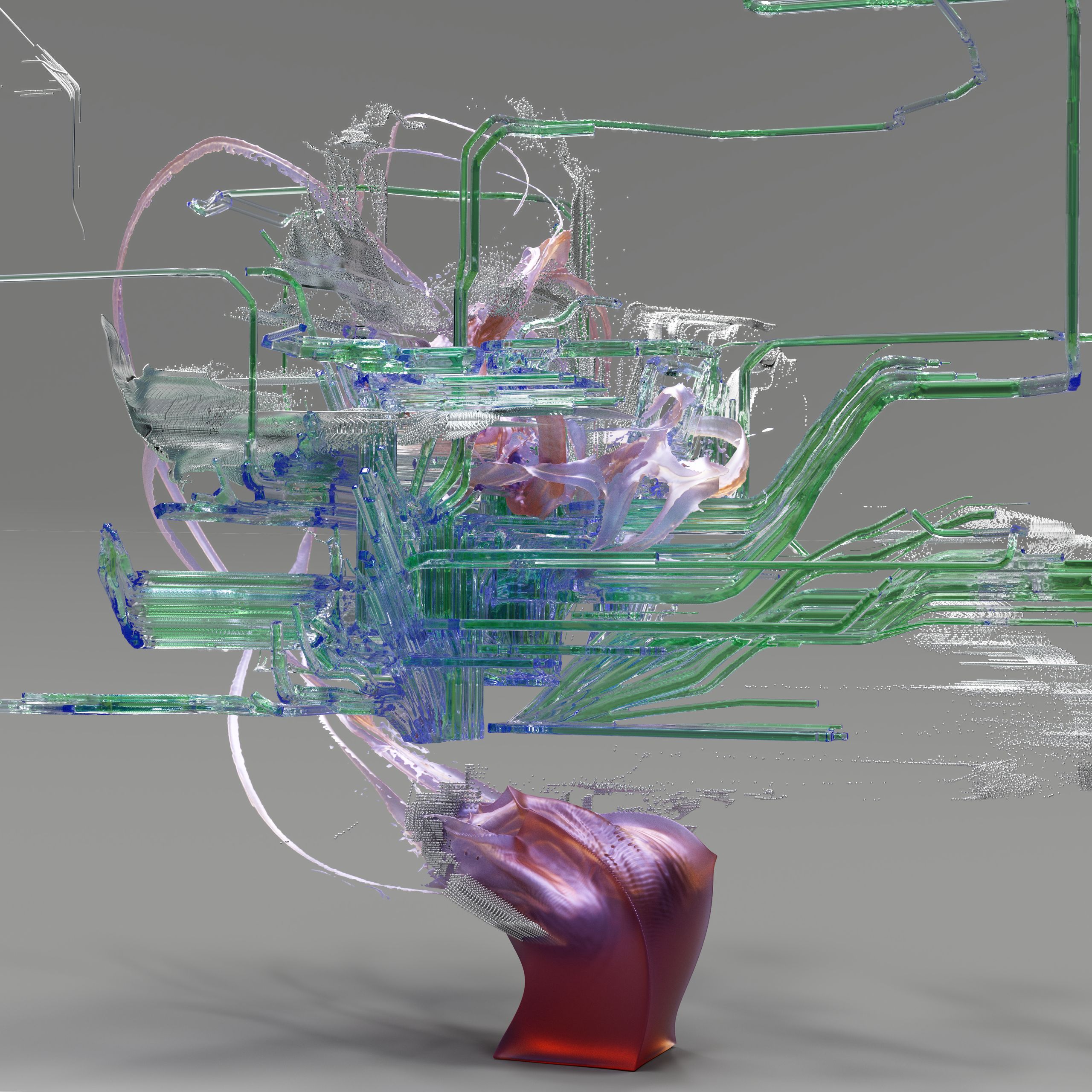
Explore Professional AI Art Design with Seedream 5.0 Pro on Flaq AI
AI image generation is becoming a serious part of modern art and design workflows. Illustrators, graphic designers, concept artists, marketers, publishers, and independent creators can now turn detailed written ideas into polished visual drafts without beginning every project from a blank canvas.
The technology is especially valuable during early creative exploration. An artist can test several compositions, lighting styles, color palettes, environments, or character directions before selecting one concept for further development. A designer can translate a written brief into visual options, while a content team can create illustrations for articles, campaigns, and social media in different formats.
Creators interested in this process can explore Seedream 5.0 Pro AI Art Design by Flaq AI, which provides access to ByteDance’s professional text-to-image model through a browser-based playground and API platform.
Flaq AI also offers a dedicated Seedream 5.0 Pro image generator where users can enter prompts, choose an output ratio, optimize or translate instructions, view examples, and submit images for generation. The model page currently lists text-to-image creation from $0.0427 for a 1K image and $0.0855 for a 2K image. Pricing may change, so users should confirm the live rate before beginning a large project.
Why AI Art Design Is More Than One-Click Generation
AI art is sometimes presented as though the user simply enters a few words and receives a finished masterpiece. In professional practice, the process is usually more deliberate.
A strong image may require multiple stages:
- Defining the purpose of the artwork
- Choosing the subject and visual hierarchy
- Testing several compositions
- Adjusting lighting and color
- Refining the style and atmosphere
- Correcting inconsistent or inaccurate details
- Preparing the final output for its intended format
The model creates possibilities, but the creator still determines which ideas are relevant, which results communicate the intended message, and which details require further work.
Seedream 5.0 Pro is positioned by Flaq AI for professional text-to-image generation with control over subjects, environments, composition, lighting, mood, style, and output format. It supports photographic, editorial, illustrative, advertising, and concept-design imagery through natural-language prompts.
This versatility makes the model useful not only for finished art, but also for visual research and design exploration.
Turn Detailed Ideas into Visual Concepts
Text-to-image generation begins with a prompt describing the requested image. A short prompt may establish the general topic, but a structured prompt gives the model clearer creative direction.
For example, a broad instruction such as:
A fantasy city at night.
leaves most of the design decisions to the model.
A more controlled prompt might say:
A vast coastal fantasy city built across steep cliffs at night, illuminated by warm lanterns and pale moonlight. Slender stone towers are connected by arched bridges above a dark sea. A lone traveler in a red cloak stands in the foreground, viewed from behind. Cinematic wide composition, atmospheric depth, intricate architectural illustration, restrained blue and gold palette.
The second prompt defines the setting, architecture, lighting, foreground subject, camera perspective, color palette, and artistic treatment.
Flaq AI describes Seedream 5.0 Pro as offering strong prompt interpretation and support for complex scenes containing multiple objects and visual relationships. This can help creators establish clearer layouts instead of relying on generic subject generation.
A useful art prompt can follow this structure:
Subject + environment + composition + lighting + palette + medium or style + atmosphere + output purpose
Not every prompt needs to be long. The goal is to include the information that materially affects the result.
Explore Different Art Directions Quickly
One of the strongest advantages of AI art generation is the ability to compare several visual directions before committing to one.
A single character concept could be tested as:
- A painterly fantasy portrait
- A graphic editorial illustration
- A dark cinematic concept painting
- A colorful animation-style design
- A detailed historical engraving
- A futuristic fashion image
- A minimalist poster composition
Similarly, an environment could be explored in morning light, heavy rain, winter weather, desert heat, or surreal dreamlike conditions.
Designers can keep the main subject unchanged while modifying one element at a time. This controlled approach makes it easier to identify which choices improve the image.
For example, a creator might first test composition, then compare lighting, and finally refine the palette. Changing every variable at once can produce visually diverse results, but it becomes harder to understand why one version works better than another.
Seedream 5.0 Pro supports landscape, square, portrait, and wide-format outputs, allowing the same creative direction to be developed for different publishing contexts. Flaq AI’s documentation states that the Pro model supports eight aspect ratios, including an ultrawide 21:9 format.
Create Editorial and Publishing Illustrations
Editorial illustration requires more than attractive imagery. It must communicate a topic, argument, mood, or metaphor clearly enough to support the accompanying text.
A publication covering technology and privacy might request:
Editorial illustration of a person standing inside a transparent glass house made from glowing data panels while anonymous silhouettes observe from outside. Clean conceptual composition, sophisticated magazine illustration, limited blue and orange palette, subtle visual metaphor, generous negative space for a headline.
A cultural article could use symbolic imagery rather than a literal scene. A science publication might request an elegant visual explanation of a complex subject. A fictional story could be accompanied by atmospheric character or environment art.
Flaq AI lists editorial content and visual storytelling among Seedream 5.0 Pro’s suitable use cases. The model’s flexible formats can help teams create article headers, portrait illustrations, magazine-style spreads, and social previews from related prompts.
However, important factual diagrams, maps, labels, or data visualizations should not be trusted solely to an image generator. AI-generated text and technical details must be reviewed and, where necessary, rebuilt using conventional design tools.
Support Character and World-Building Design
Concept artists can use text-to-image generation to explore characters, costumes, props, creatures, architecture, and fictional environments.
A character prompt should identify stable design elements such as age, silhouette, clothing, materials, role, expression, equipment, and visual genre.
For example:
Full-body concept art of a young desert astronomer wearing layered cream robes, a dark blue fitted coat, brass measuring instruments, and a weathered leather satchel. Calm focused expression, slender athletic build, windswept black hair, standing beside an antique celestial telescope. Clear readable silhouette, detailed fantasy costume design, polished digital illustration, neutral studio background.
The result may become a starting point for manual drawing, a reference for a collaborative discussion, or one option within a broader design sheet.
For coherent world-building, creators should repeat important terminology and design rules across prompts. A project can define recurring materials, colors, architectural motifs, clothing structures, and lighting conventions. These repeated constraints can help different images feel as though they belong to the same setting.
AI consistency is never guaranteed, so final character sheets and production assets still require human review. Small costume ornaments, facial details, weapons, and proportions may change between generations.
Develop Posters and Promotional Artwork
Seedream 5.0 Pro can also support early poster and campaign design.
A music event might need a bold surreal visual. A film concept could require a dramatic key image. A creative studio may want several advertising directions before preparing the final branded layout.
For example:
Cinematic poster artwork of a solitary figure walking across a reflective black desert toward a colossal glowing red eclipse. Minimal composition, high contrast, atmospheric haze, dramatic scale, premium science-fiction campaign art, vertical poster format, empty upper area for title placement.
The phrase “empty upper area for title placement” helps communicate the intended layout. Similar instructions can reserve space for logos, headlines, calls to action, or publication details.
Even when the generated composition is successful, final typography should generally be added separately. This allows designers to maintain accurate spelling, brand fonts, hierarchy, spacing, and accessibility.
Use Seedream 5.0 Pro Edit for Reference-Based Design
Text-to-image generation is useful when beginning from a written idea, but many art workflows start with an existing sketch, photograph, design, or approved visual asset.
Flaq AI offers a related Seedream 5.0 Pro Edit model that accepts natural-language instructions and up to ten reference images. The platform describes it as suitable for changes to subjects, backgrounds, lighting, colors, styles, and composition, as well as multi-image combinations and reference-guided consistency.
This can support tasks such as:
- Restyling a rough sketch
- Changing the environment behind a character
- Combining several visual references
- Testing alternate costume colors
- Reworking lighting and atmosphere
- Adapting one approved image into new formats
- Exploring visual variations without rebuilding the composition
Reference images should be used responsibly. Creators should upload only materials they own or are permitted to use, particularly when a project will be published or commercialized.
Integrate Art Generation Through the Flaq AI API
Developers can use Seedream 5.0 Pro to add image generation to creative software, design platforms, publishing systems, or automated content workflows.
Flaq AI’s example integration submits the model name seedream-v5.0-pro, a text prompt, and width and height ratio values to an image-task endpoint. The API returns a task identifier, which is then used to check the status and retrieve the completed image URL.
This asynchronous structure is suitable for applications that generate images in the background while the interface displays a processing state.
Potential integrations include:
- AI concept-art applications
- Editorial illustration generators
- Marketing creative systems
- Character-design tools
- Social-content platforms
- Poster and campaign generators
- Automated article-image workflows
- Creative prompt experimentation products
Flaq AI describes its broader service as a unified API platform for image, video, and language models, with consistent interfaces, flexible parameters, and developer documentation.
Before deploying a production integration, teams should verify authentication rules, pricing, rate limits, output retention, moderation requirements, supported parameters, and commercial-use conditions.
Review and Refine Every Result
AI-generated art can appear polished while still containing significant flaws.
Creators should inspect:
- Hands and anatomy
- Facial symmetry
- Object relationships
- Repeated details
- Architecture and perspective
- Clothing construction
- Lighting direction
- Reflections and shadows
- Text and symbols
- Historical or cultural accuracy
A beautiful result may still fail the original brief. It may emphasize the wrong subject, introduce unrelated objects, or weaken the intended message.
The most effective workflow combines AI generation with selection, editing, drawing, compositing, color correction, typography, and professional judgment.
A Flexible Tool for Creative Exploration
Seedream 5.0 Pro on Flaq AI gives artists and designers a practical way to move from written direction to visual experimentation. Its value lies in the ability to test compositions, styles, characters, environments, campaigns, and editorial concepts without operating the underlying model infrastructure.
The dedicated Flaq AI model page currently offers a browser playground, prompt optimization, flexible aspect ratios, API examples, and related editing access.
Seedream 5.0 Pro should not be treated as a substitute for artistic judgment. Instead, it can function as a rapid concepting partner: generating possibilities that creators can evaluate, reject, combine, and refine.
With structured prompts, consistent visual direction, careful review, and conventional design tools, artists can use Seedream 5.0 Pro to explore more ideas while keeping control of the final creative result.