Bottle Warmer vs Microwave: What Tired Parents Should Know
It is two in the morning, your baby is wailing, and the cold bottle in your hand needs to be warm now. In that moment, the microwave looks like the fastest answer. Many parents reach for it, and many pediatric sources advise against it. Every household finds its own way to warm milk, from running hot tap water to simmering a pot on the stove, and each method has trade-offs in speed, safety, and effort. This article compares the common options in plain terms, explains why even heating matters, and shows how to build a calm night-feed routine that does not rely on guesswork. You will also find practical tips for handling breast milk and formula, testing temperature, and cleaning your equipment. Whether you are a first-time parent bracing for sleepless weeks or a veteran looking for a smoother setup, a few small changes can make every feed safer and less stressful for both of you.
Why the Microwave Is a Risky Shortcut
Microwaves heat unevenly. The outside of a bottle can feel only mildly warm while pockets of milk inside are hot enough to burn a baby’s mouth. Shaking the bottle helps, but it does not guarantee the heat has spread evenly, and the liquid can keep heating for a few seconds after the timer ends. Plastic bottles and some bottle liners may also not be designed for microwave use at all.
Breast milk adds another reason for caution. Overheating can reduce some of its beneficial properties, and hot spots can damage the milk you worked hard to pump. A dedicated bottle warmer removes much of this guesswork by heating the container gradually and evenly, so the temperature you test at the wrist is the temperature your baby will feel.
Stovetop Pots and Tap Water: Better, but Fiddly
The classic method is to place the bottle in a bowl or pot of warm water and wait. It is gentle and costs nothing, and it works well when you are not in a hurry. The challenge is the attention it requires. You need to watch the water temperature, avoid letting it boil, and time it by feel. After a long day, that kind of monitoring is a lot to ask.
Running warm tap water over the bottle is quicker, but the results vary with your home’s water heater and pressure. It can waste water and may leave the milk warm on the outside and cool in the center. Both methods can be perfectly safe when done with care, yet they turn night feeds into a mini cooking project, which is exactly what tired parents want to avoid.
How a Bottle Warmer Fits into Night Feeds
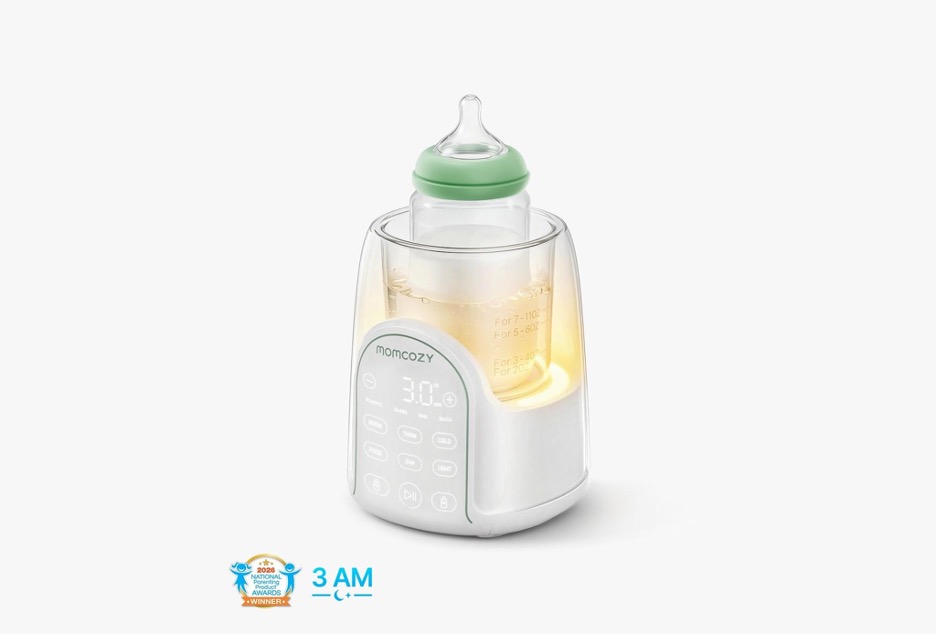
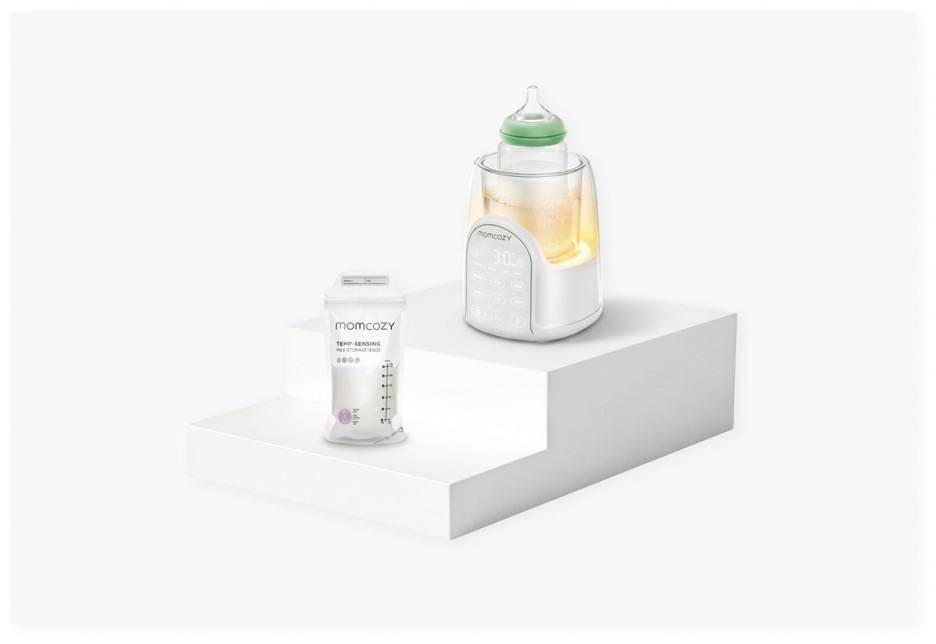
A good warmer turns a variable task into a repeatable one. You place the bottle, press a button, and walk back to your baby while the milk heats on its own. That small shift matters at 3 a.m., when a screaming infant can make even simple steps feel stressful. Many models also keep the milk at a steady temperature for a short period, giving you a few extra minutes to settle in the chair.
A Simple Step-by-Step Routine
Whatever device you use, a consistent routine keeps feeds smooth. Try this sequence, and adjust it to match your model’s manual:
- Wash your hands and place the bottle in the warmer with the right water level.
- Start the cycle, then use the waiting time to settle your baby.
- Remove the bottle when the warmer signals it is done.
- Swirl gently to mix the milk, then test a few drops on your inner wrist.
Test Every Time
Even with a reliable device, always check the temperature before feeding. Milk should feel lukewarm or barely warm on your wrist, not hot. Swirl rather than shake breast milk, since vigorous shaking can disturb its natural separation and create bubbles that your baby may swallow. If the milk is too warm, let it sit for a minute and test again.
Handling Breast Milk and Formula Safely
Warming is only one part of safe feeding. Frozen breast milk should thaw in the refrigerator or under cool running water before gentle warming, not in a hot bath or the microwave. Once milk has been warmed or the baby has started drinking from the bottle, use it within the time window recommended by your pediatrician or health authority, and discard what remains rather than saving it for later. Never refreeze thawed milk.
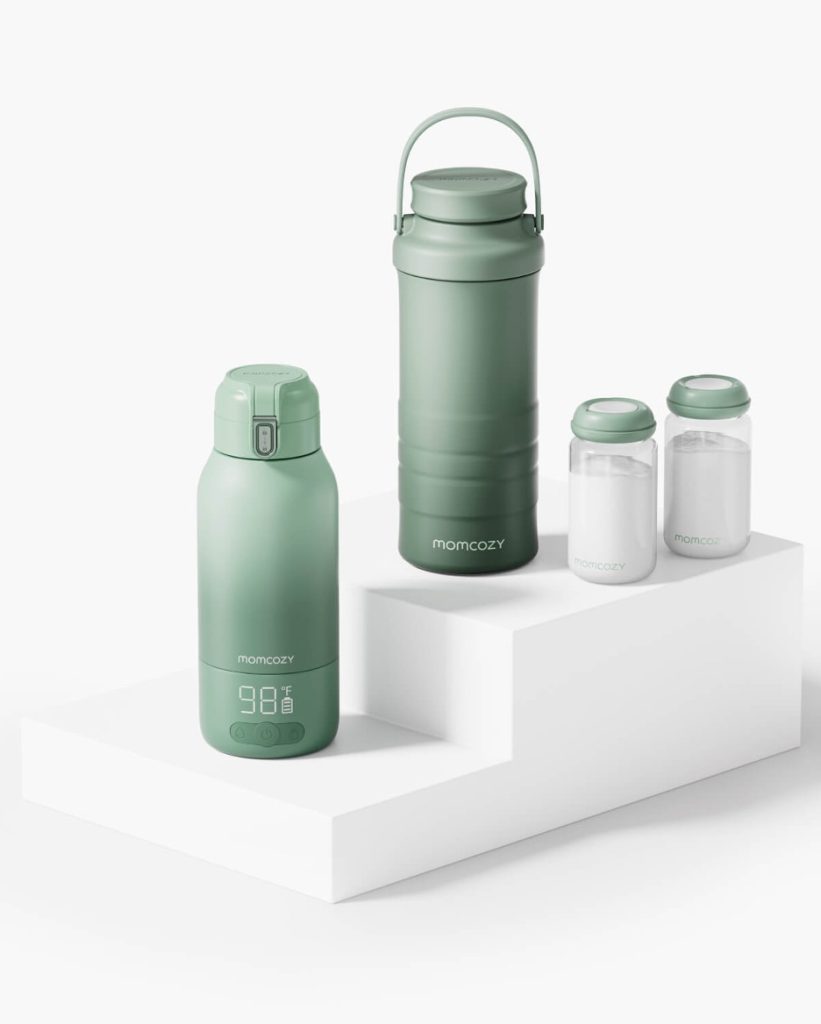
Formula has its own rules. Prepared formula does not always need to be warm, and some babies take it at room temperature without complaint. If your baby prefers it warm, use the same gentle heating and temperature test. Prepare powdered formula according to the label, since the water temperature and mixing steps affect both safety and nutrition. When you are unsure, ask your pediatrician for guidance tailored to your baby’s age and needs.
Preparation at night also benefits from a little planning. Keep clean bottles within reach, pre-measure formula into a dry container, and store pumped milk in clearly labeled portions. That way, the middle-of-the-night routine becomes simple: grab, warm, test, and feed. Some families keep the warmer and bottles on a tray in the bedroom, which saves a trip down the hall and keeps the household quieter.
Cleaning and Care Keep the Routine Reliable
A warmer that is not cleaned will eventually let you down. Water leaves mineral deposits over time, and those can reduce heating performance and leave white residue on the unit. Empty the water after each use, wipe the inside with a soft cloth, and let it dry. Every few weeks, descale with a mild solution such as diluted white vinegar, following the maker’s instructions, then rinse well.
Bottles and nipples need their own regular attention. Wash them after every feed with warm soapy water and a clean brush, and sanitize them according to your pediatrician’s advice. Check nipples for cracks or thinning, and replace them when they show wear. Momcozy is one of several brands that design warmers around the realities of feeding at home, which can make the cleaning step easier if you pick a model with simple, accessible parts.
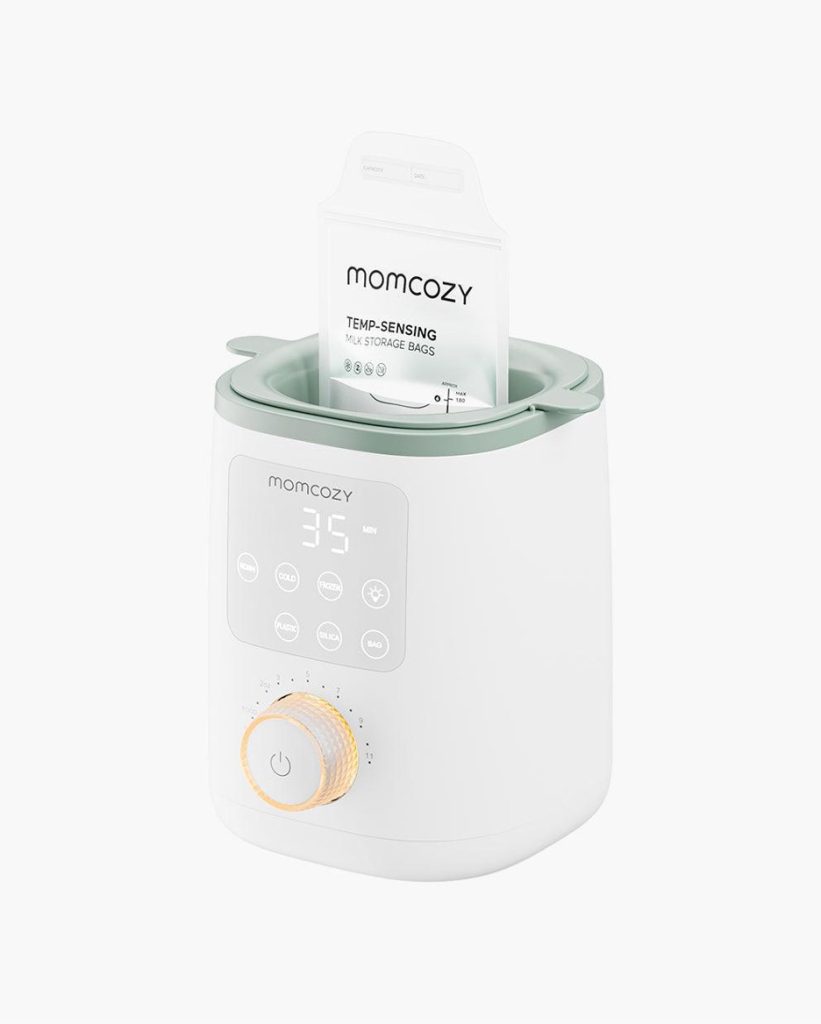
Finally, keep the warmer on a stable, dry surface away from the edge of a counter, and keep the cord out of your baby’s and toddler’s reach. A device that is stored sensibly and cleaned on schedule will serve you through months of feeds, and it will be there on the nights you need it most.
Choose the Method That Lets You Rest
The microwave may be the fastest option, but uneven heating makes it the hardest to trust. Pots and tap water work when you have time to watch them, while a dedicated warmer gives you steady, repeatable results when you are running on little sleep. Whichever route you choose, test the temperature on your wrist, handle breast milk and formula according to safe storage guidance, and discard what your baby does not finish. Keep your equipment clean and descaled so it works when you need it. Small improvements to your feeding routine add up over weeks of night wakings. Pick the approach that fits your home and your energy level, and you will spend less time worrying about the bottle and more time enjoying the quiet moments with your baby.