Who Helps Patients Manage Their Health Between Major Medical Events?
Most people imagine health care as a series of big moments. A diagnosis. A surgery. A trip to the emergency room. A hospital discharge. Those events matter, of course, but they are only part of the story. A large part of staying healthy happens in the quieter stretches between those major medical events, when someone notices a pattern, answers a question, checks a medication list, or helps a patient stick with a plan long enough for it to actually work.
That middle space is where relationship based care becomes especially important. Patients often need more than treatment for a single problem. They need guidance, routine follow up, prevention, education, and someone who can connect the dots over time. Professionals prepared through advanced training, including a family nurse practitioner program, are often part of that day to day support system because their work commonly centers on ongoing assessment, whole person care, and long term patient relationships.
When you look at health through this lens, the question is not just who treats illness. It is who helps people live with health conditions, reduce risks, understand their options, and avoid preventable problems before they become crises. The answer usually includes a team, but some roles are especially central because they stay close to the patient’s everyday reality.
The People Who Show Up Between the Headlines of Care
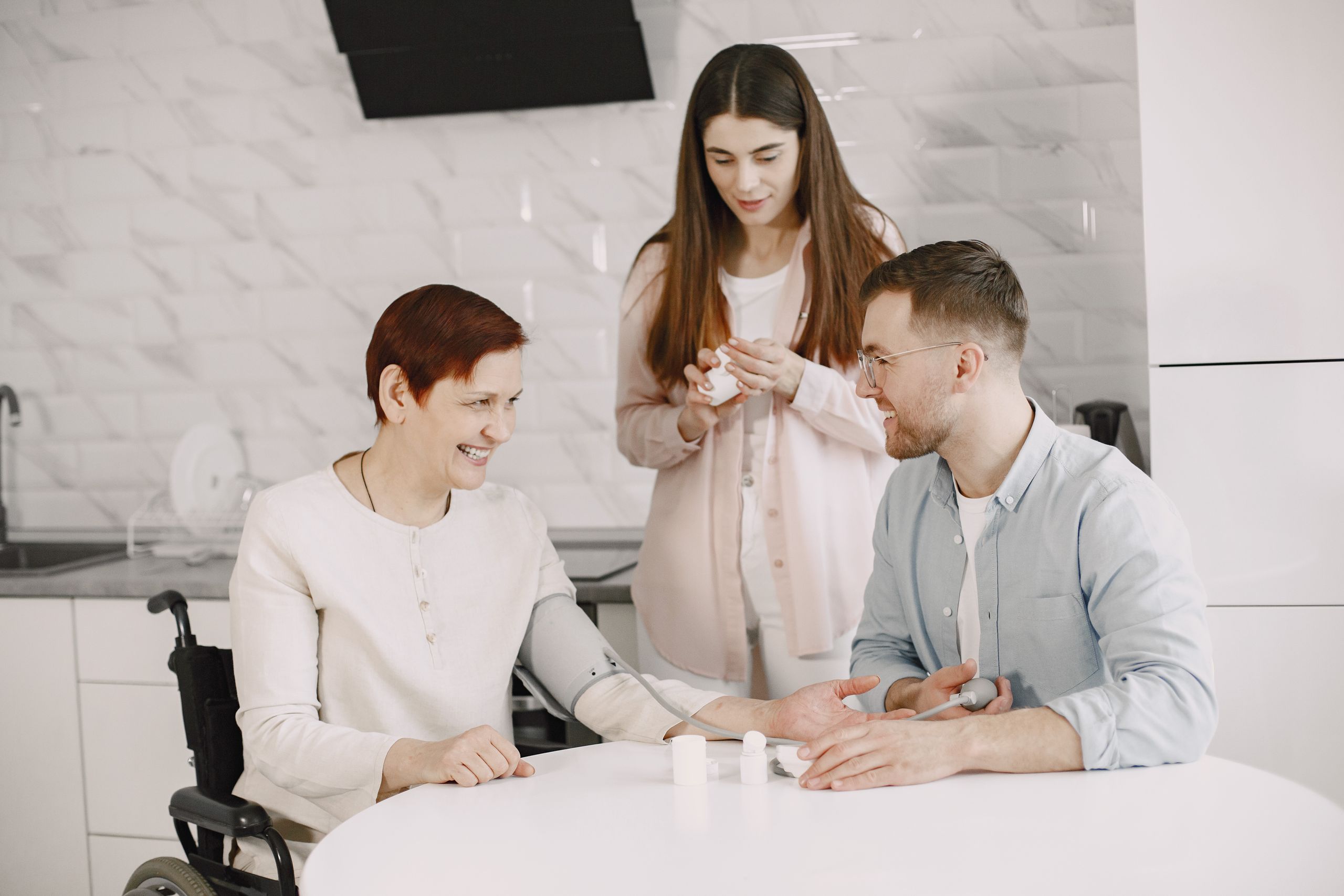
Between major medical events, the professionals patients see most often are usually found in primary care settings. These may include family nurse practitioners, primary care physicians, registered nurses, medical assistants, care coordinators, pharmacists, behavioral health professionals, and health educators. Each one contributes something useful, but what makes the difference is not only their technical knowledge. It is their ability to keep care moving when life is busy, symptoms are vague, motivation dips, or instructions from different specialists start to blur together.
This kind of support can be surprisingly practical. A patient may need help understanding lab results, figuring out whether a symptom needs urgent attention, adjusting to a new diagnosis, or remembering when screenings and vaccines are due. According to the CDC, preventive care includes routine checkups, screenings, vaccines, and counseling that helps people make informed health decisions. Regular checkups along with preventive care and routine checkups are meant to catch problems early and support wellness, not just respond to illness after it appears.
Why Continuity Matters More Than Many People Realize
One of the least dramatic but most valuable parts of health care is continuity. Seeing someone who knows your baseline can change the quality of care in a big way. When a clinician understands your history, medications, family risk factors, stressors, and habits, small changes stand out faster. A blood pressure trend matters more when someone has seen it slowly rise over several visits. Fatigue means something different when a provider knows your sleep habits, work schedule, and previous lab results.
Continuity also helps patients feel more comfortable asking questions they might otherwise keep to themselves. People are often more honest about missed doses, side effects, money problems, transportation issues, or confusion about instructions when they trust the person sitting across from them. That honesty is not a minor detail. It is often the key to making a realistic care plan.
The Agency for Healthcare Research and Quality has emphasized that strong, ongoing patient provider relationships are linked with better health behaviors, better outcomes, and less emergency department and hospital use. In other words, the relationship itself is not extra. It is part of what makes care effective.
The Educator Role That Often Goes Unnoticed
A lot of health management comes down to learning. Patients need to know what a diagnosis means, what warning signs to watch for, how medicines should be taken, and what daily habits may improve or worsen a condition. This educational work does not always make headlines, but it shapes what happens after the appointment ends.
Family nurse practitioners often work in this teaching role. They may explain how to monitor blood sugar, why a medication needs to be taken consistently, what lifestyle changes are worth focusing on first, or how to prepare for a referral visit. Good education is not just about giving information. It is about translating medical language into real life decisions.
That matters because many chronic conditions are managed mostly outside clinics and hospitals. The CDC notes that people living with chronic conditions benefit from regular care, treatment plans, self management support for chronic conditions helps them make informed decisions and handle symptoms more effectively.
Prevention Is Ongoing, Not Occasional
Another overlooked truth is that prevention is not a one time lecture about eating vegetables and getting more sleep. It is a repeated conversation shaped by age, family history, risk factors, and readiness to change. The professional helping between major events is often the one who keeps prevention personal and realistic.
That might mean reminding a patient to schedule a screening, talking through vaccination concerns, checking on tobacco cessation efforts, or helping someone build one manageable habit instead of chasing a perfect routine. Prevention works best when it fits everyday life. A provider who knows the patient’s circumstances can help create that fit.
This is especially important because many health risks build slowly. High blood pressure, prediabetes, poor sleep, inactivity, and chronic stress do not always cause immediate alarm, but over time they can shape serious outcomes. Catching and addressing them early requires attention, follow through, and regular contact.
Care Coordination Is a Quiet Form of Protection
Patients do not experience their lives in neat medical categories, and yet the health system often does. One doctor handles this issue, another handles that one, a specialist orders tests, a pharmacy changes a refill, and a hospital discharge adds a new instruction sheet to the pile. Someone has to help organize all of that.
This is where care coordination becomes one of the most protective forms of everyday health support. Primary care professionals often help review medications, interpret recommendations from specialists, arrange follow ups, and make sure important information does not get lost during transitions. AHRQ describes care coordination as addressing gaps across patients’ medical, behavioral, educational, and support needs in order to reach better outcomes that reflect patient preferences.
For patients, that can mean fewer duplicated tests, fewer conflicting instructions, and a better chance of understanding what the next step actually is. It can also reduce the common feeling that no one is looking at the whole picture.
The Real Work Happens in Ordinary Life
In the end, the people who help patients manage their health between major medical events are often the ones practicing steady, relational, practical care. They are the professionals who make room for questions, notice patterns, reinforce prevention, support behavior change, and help patients navigate a complicated system without feeling abandoned inside it.
That is why the middle of the story matters so much. Health is not shaped only in operating rooms, emergency departments, or specialist offices. It is also shaped in annual visits, follow up calls, medication reviews, shared care plans, and conversations that help patients understand what to do next. When those ordinary moments are handled well, they can prevent the extraordinary ones from happening quite so often.