Setting up an above-ground pool: best base options and installation tips
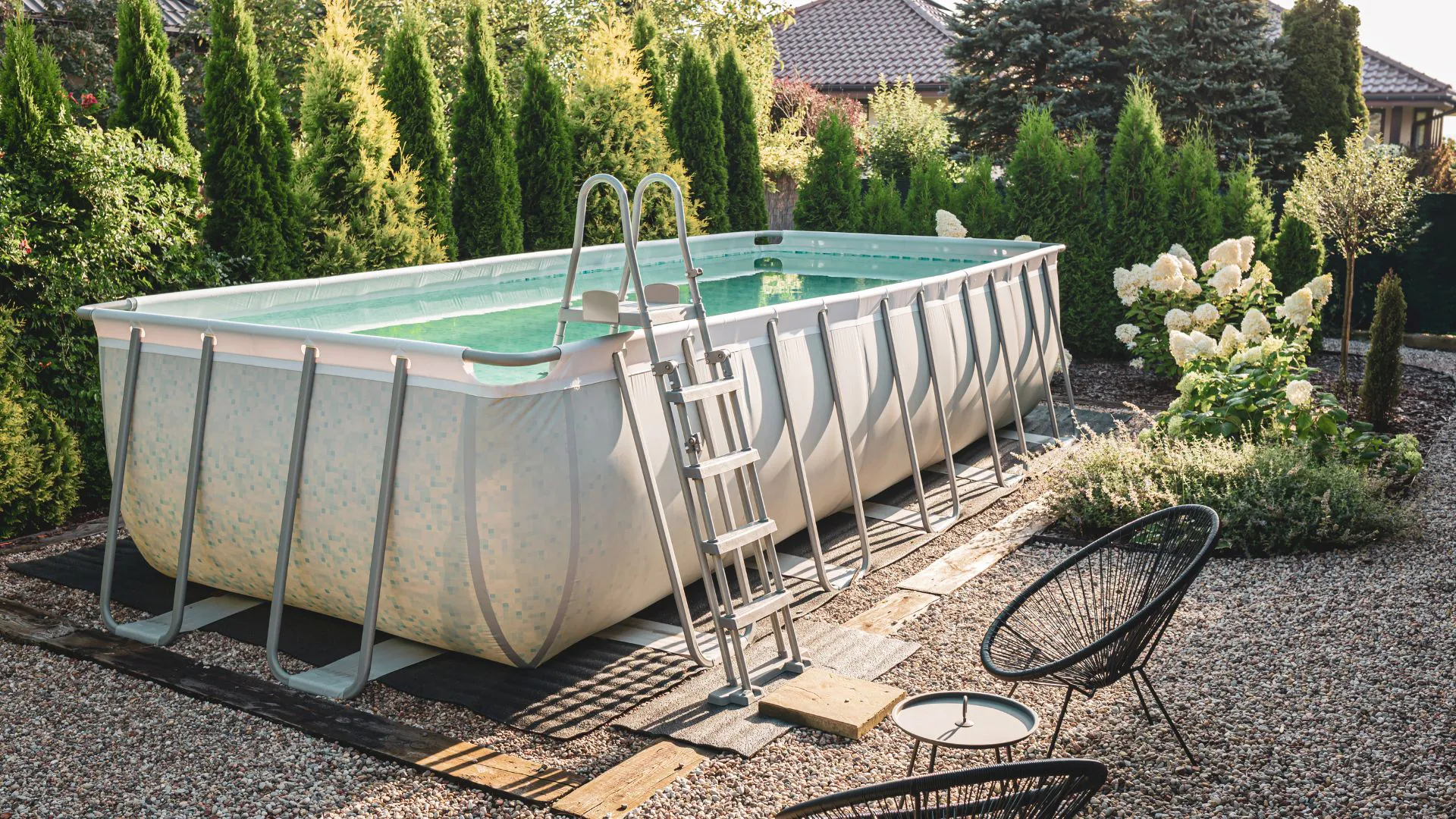
The short answer: your pool needs flat, compacted ground free of grass, roots, and sharp debris, topped with two to three inches of sand, a foam pad, or crushed stone before the walls ever go up. Skip that step and you’re likely looking at a wrinkled liner, a shifting frame, or worse by the end of the season.
Every spring, thousands of homeowners set up a new pool in a single weekend, only to notice a soft spot or a slight tilt once the water goes in. Most of these problems trace back to one decision made before anything is assembled: what actually goes underneath. Choosing the right above ground pool base has less to do with brand or budget and more to do with your soil, your climate, and how much weight that ground will carry once thousands of gallons of water are sitting on top of it.
Why the ground underneath actually matters
A filled 18 or 24 foot pool can weigh several tons once you add water, people, and equipment, so anything soft, uneven, or organic underneath it will eventually give. Grass rots and creates air pockets. Loose soil compacts unevenly under pressure. Even a two inch dip across the footprint can put enough stress on one section of the wall to cause a tear or a slow, gradual lean.
A solid base does three things at once: it keeps the pool level, it cushions the liner from rocks and roots underneath, and it slows down erosion from rain runoff. Get this part right and the rest of the setup is straightforward.
Above ground pool base options compared
Short answer: sand, crushed stone, foam pads, and concrete are the four options homeowners use most, and each one trades off cost against comfort and long-term stability.
| Base material | Typical cost | Durability | Comfort underfoot |
|---|---|---|---|
| Sand | Low | Moderate, needs occasional touch-ups | High |
| Crushed stone or gravel | Low to moderate | High | Low without a pad on top |
| Foam pool pad | Moderate | Moderate | High |
| Concrete slab | High | Very high | Low without a pad on top |
Sand base
Fine mason sand, sometimes called mortar sand, is still the most common choice, and for good reason. It is inexpensive, easy to level with a rake, and gentle on bare feet. The catch is that it shifts over time, especially after heavy rain, and it needs to be checked every season or two for low spots.
Crushed stone or gravel base
Gravel compacts tightly and drains fast, which makes it a strong choice in areas with clay soil or frequent downpours. It resists washing out the way sand does. The downside is comfort: gravel alone is rough on bare feet, so most installers pair it with a foam or commercial pool pad on top.
Foam pads and concrete
Foam pool pads sit directly under the liner and add cushioning without much labor, which makes them popular for pools going over an existing hard surface. Concrete is the most permanent option and holds a level surface better than anything else, but it still needs a soft liner pad between it and the pool floor, since bare concrete will wear through vinyl over a few seasons.
How to prepare the ground before installation
Short answer: mark the footprint, strip it down to bare soil, level it within an inch, compact it, then add your base layer.
- Mark the pool footprint with stakes and string, adding roughly two feet of clearance on every side;
- Remove grass, roots, rocks, and any construction debris down to bare soil;
- Check the slope with a long level or a pair of 2x4s run from the center to the edge, since even minor unevenness affects the whole structure;
- Cut down high spots and fill low spots with compactable soil, tamping in layers as you go;
- Spray the area lightly with a hose and run a tamper or lawn roller over it to firm up the soil;
- Spread your chosen base material in an even two to three inch layer and rake it smooth;
- Do a final level check across the full diameter before the pool walls go up.
Leveling tips that actually work
Short answer: never eyeball it, work in small sections, and remove soil from high points rather than piling extra soil onto low ones.
Adding loose fill to a low spot might look level on day one, but that fill compacts unevenly once the pool is full of water, and you end up right back where you started. It is almost always better to dig down the high side to match the lowest point in the footprint. Most manufacturers cap acceptable slope at one to two inches across the entire base, so if your yard drops more than that, plan on extra prep time or professional grading before pool day.
Common installation mistakes to avoid
- Setting the pool up directly on grass without stripping it first;
- Skipping the level check because the yard “looks flat enough”;
- Using coarse construction sand instead of fine mason sand, which can puncture the liner;
- Placing the pool too close to a fence, retaining wall, or slope without proper clearance;
- Forgetting a liner pad between a hard base like concrete or gravel and the vinyl liner;
- Filling the pool before double checking the level one last time.
When it makes sense to call in a professional
Short answer: if your yard has real slope, poor drainage, or heavy clay soil, hiring someone to grade the site before pool day usually costs less than repairing a settled pool later.
DIY leveling works fine for a mild slope and a few hours of shovel work, but once you’re looking at more than a couple of inches of drop or standing water after rain, it stops being a weekend project. For yards like that, homeowners often bring in a precision site grading company such as Site Prep to cut, fill, and compact the area correctly the first time, since a few hours of proper grading up front tends to be far cheaper than replacing a liner or resetting a pool that has shifted.