How Designers Are Using AI Cartoon Generators to Create Character Visuals
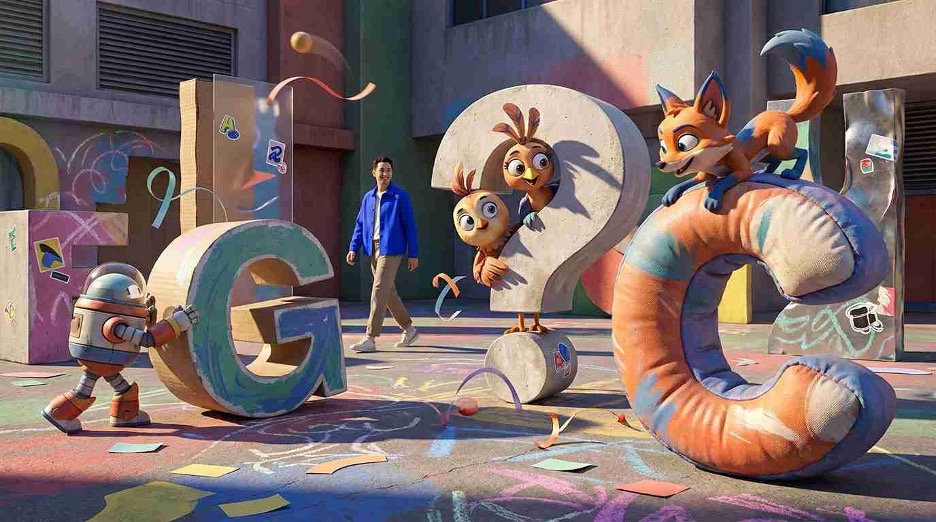
Typography is a genuine, significant contributor to how playful and creative a cartoon logo actually feels, with custom lettering or fonts specifically chosen to exude fun and whimsy alongside a brand’s visual character and overall personality. An AI Cartoon Generator, one of the innovative tools in Higgsfield’s platform, is becoming part of how designers create the character visuals that pair with exactly this kind of comic-style, playful typography.
Why Does Pairing a Cartoon Character with the Right Typography Actually Matter?
This is a genuinely established design principle, not a stylistic afterthought. A cartoon logo’s overall playfulness depends heavily on typography choices working in harmony with the character illustration itself, custom lettering that feels fun and whimsy-driven reinforces the personality a mascot or character is trying to convey. A mismatch, a rigid, corporate typeface paired with a playful cartoon character, genuinely undermines the cohesive personality a brand is trying to build.
This principle holds true across genuinely different kinds of brand identities, not just obviously playful ones. A children’s brand pairing a whimsical character with a similarly rounded, friendly typeface reinforces its target audience clearly, while a food and beverage brand using a slightly more restrained character alongside cleaner typography can still feel approachable without tipping into childishness or losing credibility. In both cases, the actual relationship between character and type is what determines whether the identity reads as intentional.
What Do Current 2026 Design Trends Actually Say About Cartoon Character Style?
This deserves a specific, current answer. Cartoon mascots have genuinely moved away from detailed, crowded illustration styles toward simpler, more conceptual designs that use clear, easily recognizable shapes. This shift enhances a character’s flexibility across digital media while keeping a brand feeling approachable without appearing childish, a genuinely important distinction for brands wanting playful character design that still reads as professional.
This move toward simplification reflects genuinely practical concerns beyond aesthetic preference alone. A character that needs to work as a tiny app icon, a large storefront sign, and a social media avatar all at once genuinely benefits from clean, simple shapes that remain recognizable at every size, something a densely detailed illustration style often struggles to achieve across such different contexts. Reduced detail also tends to age better over time, avoiding the dated look that more elaborately styled characters can develop within just a few years of continued use.
Why Does This Matter So Much for Designers Working with Distinctive, Playful Typography?
A genuinely well-chosen comic or cartoon-style font already carries real personality, and pairing it with a character visual that matches that same energy is what makes a complete brand identity feel intentional rather than assembled from mismatched pieces. A designer who has found exactly the right playful typeface for a project genuinely benefits from a character visual created with that same specific tone in mind, rather than a generic illustration style that happens to be available.
This intentionality is genuinely what separates memorable brand identities from forgettable ones. Two brands might both use technically competent cartoon characters and playful fonts, but the one where those elements feel like they were designed with genuine awareness of each other, matching energy, matching level of formality, matching visual weight, reads as considered and professional, while the one where they feel independently sourced reads as slightly disjointed, even if a casual viewer couldn’t immediately articulate exactly why that impression forms.
What Happens When a Designer Finds the Perfect Font But Can’t Match It with the Right Character Visual?
This is a real, common gap in the design process, one that plays out again and again across genuinely different kinds of projects. A designer might spend real time finding exactly the right comic-style or playful typeface for a project, something with genuine personality and the right tone, only to struggle producing a character illustration that matches that same specific energy without hiring an illustrator or spending hours developing drawing skills they don’t currently have. That mismatch between a genuinely well-chosen font and an available visual style can leave a project feeling incomplete.
This gap tends to be most frustrating precisely when a designer has already done the harder part of the job well. Finding a genuinely distinctive, well-suited typeface among thousands of available options represents real design judgment and effort, and having that work undermined by a character visual that doesn’t quite match, whether too generic, too detailed, or simply a different tonal register, can make an otherwise strong typography choice feel wasted and diminish the overall impact of the finished identity.
What Are the Traditional Options for Creating Cartoon Character Visuals?
Hiring an illustrator to create a custom character is one option, and this remains genuinely the best choice for a major brand mascot that needs to work across many contexts over years. Using stock cartoon illustrations or clip art is the more common, faster alternative, functional but often generic and unlikely to feel genuinely matched to a specific project’s particular typography and tone.
Both traditional approaches carry genuine trade-offs worth naming directly. A custom illustrator brings real creative collaboration and produces a character genuinely unique to a specific brand, but that process requires real budget and lead time most smaller projects simply don’t have. Stock illustrations solve the immediate accessibility problem but come with a real trade-off, the exact same character or a close variation may already be in use by other brands entirely unrelated to the project at hand.
Where Do These Traditional Options Fall Short for a Designer on a Real Project Timeline?
The constraint is cost and specificity together. A custom illustrator produces genuinely tailored, original work but represents a real expense and timeline most projects, especially smaller ones, can’t always accommodate, while stock illustrations are fast and affordable but rarely match a specific project’s particular typography and tone as closely as genuinely custom work would.
This constraint tends to force a real compromise that neither traditional option fully resolves. A designer wanting genuinely tailored character work often can’t justify the cost for a smaller project’s actual budget, while accepting a generic stock illustration means giving up the specific tonal match that would have made the identity feel genuinely cohesive with the chosen typography, a trade-off that traditional options simply don’t offer a good middle ground for.
| Custom illustrator | Stock cartoon illustrations | AI Cartoon Generator | |
| Cost | A real, often significant expense | Low | Included in one subscription |
| Matches specific project tone | Yes, with real briefing time | Rarely, generic by nature | Yes, described directly |
| Turnaround | Days to weeks | Immediate | Minutes |
| Best suited for | A major, long-term brand mascot | Quick, low-stakes projects | Matching a specific typography choice closely |
How Does This Kind of Tool Actually Fit Into a Designer’s Actual Workflow?
An AI Cartoon Generator, available through Higgsfield, lets a designer describe the specific character style, tone, and energy they want, matched to a particular typography choice already selected for a project, and produce a genuinely fitting visual within minutes. For a designer who has already found the perfect playful font for a project, that speed makes it realistic to complete a genuinely cohesive visual identity without a custom illustrator’s timeline or budget.
This directly resolves the compromise described earlier between custom illustration and generic stock alternatives. Rather than choosing between a tailored result that costs too much for the project or a generic result that doesn’t quite match, a designer can realistically produce character work specific enough to genuinely complement an already-chosen typeface, closing the gap between the two traditional options without accepting either one’s real limitations.
What Must Every AI-Generated Cartoon Character Genuinely Be?
This is the single most important point in this entire article, and it carries real, practical business weight. Every cartoon character created for a brand has to be a genuinely original design, never closely resembling or derivative of an existing copyrighted character, since cartoon mascots that become central to a brand’s actual identity, on signage, packaging, or marketing, may need trademark protection themselves, and a design too similar to existing protected characters carries genuine legal risk. A feature within Higgsfield’s platform should be used to create a genuinely new, original character concept, never to closely imitate an existing copyrighted design. This distinction matters for the business commissioning the work, not just as an abstract creative principle, since the actual commercial and legal consequences fall on that business.
What Can a Designer Actually Build Beyond a Single Character Visual?
Beyond one character, the same approach can support developing a consistent visual identity across an entire project, character visuals that genuinely match the specific comic, playful, or kids-style typography a designer might already be working with, the same kind of typography-first thinking covered in FontMirror’s own Magazine article on how font selection signals trust, giving a brand’s full identity, type and character alike, a cohesive, intentional feel that reads as genuinely considered rather than pieced together from separate sources. Higgsfield AI is a native AI creative suite, which offers advanced AI image, video, and voice generation, editing, and upscaling tools. This means a designer could also produce short animated content featuring the same character from one workspace.
Does This Replace the Actual Design Thinking Behind a Genuinely Good Brand Character?
No, and this matters as much here as anywhere. What actually makes a cartoon character work for a brand is genuine design thinking, understanding the brand’s actual personality, its audience, and how a character should genuinely represent both of those things together. A tool built into Higgsfield’s suite speeds up producing the visual that expresses that thinking. It does not develop the brand strategy, decide what personality a character should convey, or replace the genuine design judgment that determines whether a character actually fits the brand it’s meant to represent.
What Should a Designer Look for in an AI Cartoon Generator for This Purpose?
A few things matter more here than for general image generation. The ability to follow a specific, detailed description of tone and style matters most, since the entire value depends on the character genuinely matching an already-chosen typography direction. Producing genuinely original character concepts matters given the real trademark considerations involved in brand character design. And straightforward use matters given that many designers’ actual expertise is typography and layout, not character illustration or drawing techniques.
What Are the Key Takeaways for Designers Considering This Approach?
- Typography and cartoon character design work together as a genuine design principle, playful fonts and matching character visuals reinforce a brand’s overall personality when paired thoughtfully rather than assembled independently.
- Current 2026 design trends favor simpler, more conceptual cartoon character styles that stay approachable without appearing childish or overly detailed for modern digital use across many platforms.
- An AI Cartoon Generator like Higgsfield helps designers create character visuals matched to a specific typography choice without a custom illustrator’s cost and timeline getting in the way.
- Every AI-generated character must be genuinely original. Designs too similar to existing copyrighted characters carry real trademark and legal risk for the business commissioning the work commercially.
What Are Some Frequently Asked Questions About AI Cartoon Generators for Brand Design?
Can an AI Cartoon Generator create a character based on an existing copyrighted cartoon?
This should never be done. The tool is meant to create genuinely original character concepts, never designs that closely resemble or imitate existing copyrighted characters, given the real trademark and legal risk this carries for any business using the resulting character commercially in signage, packaging, or marketing materials.
Will an AI-generated character feel less original than custom illustration?
Not if it’s created from a genuinely specific, thoughtful description rather than a generic prompt. Originality depends on the specificity of what’s described, not on which particular tool produced the final visual, since a vague description will produce generic results regardless of the method used.
Do designers need illustration skills to create character visuals this way?
No. Describing the specific tone, style, and personality you want is enough to produce a usable character concept without prior illustration experience or specialized drawing software knowledge.
Is this only useful for kids’ brands, or does it help other kinds of playful branding too?
It helps any brand wanting a playful, approachable character-driven identity, since the underlying pairing of tone-matched typography and character design applies to food and beverage brands, creative startups, and community-focused products just as much as it does to children’s brands specifically, wherever a friendly, human tone genuinely suits the brand’s actual personality.