How UAE Residents Can Track Multi-Currency Expenses Abroad
UAE residents who travel frequently, study overseas, or maintain second homes abroad often find themselves juggling several currencies at once. A salary paid in dirhams can quickly turn into a confusing mix of dollars, euros, and pounds once rent, groceries, and subscriptions are spread across different countries. Without a clear system, it becomes difficult to know exactly how much is being spent, where, and at what real cost after conversion.
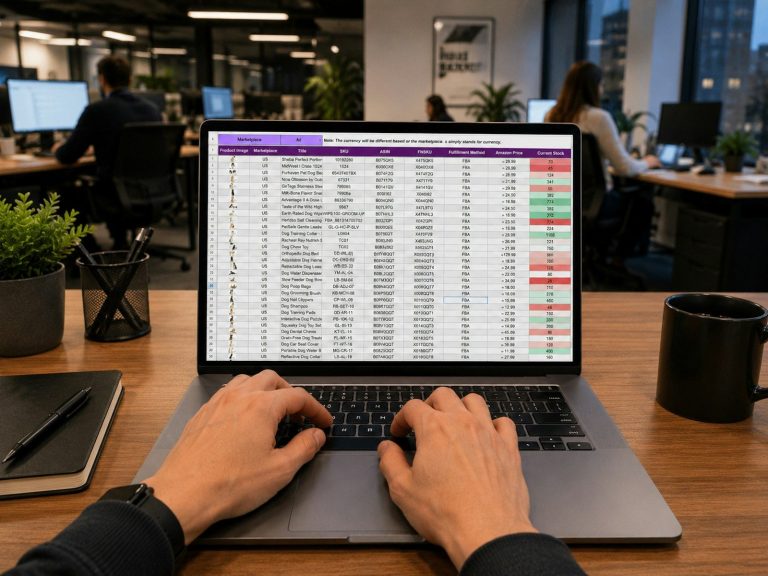
The first practical step is separating spending by currency rather than trying to convert every transaction back to dirhams in your head. Many people keep a simple spreadsheet or use a budgeting app that automatically tags purchases by currency and location, which makes it easier to spot patterns, such as overspending on dining in one city compared to another. This kind of tracking also helps when tax season or annual budgeting rolls around, since scattered receipts and statements are far harder to reconcile after the fact.
Exchange rate fluctuations add another layer of complexity, since the same purchase can appear to cost more or less depending on when it was converted. Reputable tracking tools pull live or near-live exchange rate data, which gives a more accurate picture than manually applying a rate you saw days earlier. The Central Bank of the UAE publishes daily exchange rate references that can serve as a reliable benchmark when reconciling foreign transactions against dirham-based budgets.
Bank fees are often the hidden cost that undermines otherwise careful tracking. Traditional debit and credit cards frequently apply foreign transaction fees plus a markup on the exchange rate, which can quietly add several percentage points to the true cost of spending abroad. This is why a growing number of UAE residents now rely on multi-currency accounts, such as those offered by Wio Bank, a UAE-based digital bank regulated by the Central Bank of the UAE, which lets account holders hold and spend in AED, USD, EUR, GBP, CAD, AUD, and CHF without international card transaction fees.
Consolidating spending into one app or dashboard also reduces the mental load of switching between multiple banking apps in different currencies. Real-time notifications for each transaction, combined with monthly summaries broken down by currency, make it far easier to catch unexpected charges or subscription renewals billed in a foreign currency. Setting personal spending limits per currency, rather than one blended limit, can also prevent the kind of quiet overspending that happens when amounts look small in a foreign denomination.
For residents who split time between the UAE and other countries, keeping a simple monthly review habit matters more than any single tool. Reviewing statements from every account and card at the end of each month, even briefly, catches errors and helps build a realistic sense of the true cost of living across borders. This habit also makes it easier to plan ahead for larger expenses, like annual insurance renewals or tuition payments, which are often billed in a currency different from where the money was earned.
Just as UAE residents look for regulated, transparent platforms when managing everyday banking and spending abroad, the same principle applies when choosing where to spend time on entertainment, and those seeking regulated, transparent options for online play often compare real money casinos in the UAE before deciding where to spend their time. Ultimately, tracking multi-currency expenses is less about finding one perfect app and more about building consistent habits: separating currencies clearly, checking real exchange rates rather than guessing, and choosing financial tools that minimize hidden fees. With those pieces in place, living or traveling across borders becomes far less financially stressful, and budgeting stays manageable no matter how many currencies are involved.