Beyond Plaud: 7 Meeting Recording Devices for HR and People Teams
HR conversations generate an enormous amount of information. Interviews contain details that influence hiring decisions, employee meetings create action items, training sessions introduce processes people need to remember, and internal discussions can shape policies that affect an entire workforce. Yet much of that information is still captured through handwritten notes.
Meeting recording devices offer another approach. Instead of trying to listen, participate, and write everything down simultaneously, HR professionals can capture conversations and review transcripts or summaries afterward. Used responsibly, these tools can improve documentation while allowing the person leading the conversation to remain more present.
Plaud has become one of the better-known names in AI recording, but it is far from the only option. Wearable glasses, earbuds, dedicated recorders, and ambient AI devices now provide different ways to capture meetings. For HR teams, the best choice depends not only on transcription quality but also on privacy, ease of use, and how naturally the device fits existing workflows.
Why Meeting Recording Is Different for HR Teams
HR teams handle conversations where accuracy can matter long after the meeting ends. Recruiters may need to review what a candidate said during an interview, while learning teams may want transcripts from training sessions. People partners also regularly manage meetings where several follow-up actions emerge within a short conversation.
A recording can provide a useful reference, but HR teams must use these devices carefully. Recording-consent rules vary by location, and organizations may have their own policies governing employee and candidate data. Before introducing any recorder, teams should define when recording is appropriate, how participants are informed, who can access the information, and when recordings should be deleted.
What Should HR Look for Before Choosing a Plaud Alternative?
The right recorder should reduce administrative work rather than introduce another complicated workflow. Transcription and summaries are useful, but HR buyers should also consider how quickly recording can begin, whether the device works for both in-person and remote conversations, and whether employees are comfortable using it throughout the day.
When comparing the best Plaud alternatives, HR teams should look beyond headline AI features. A practical evaluation should include:
- Recording convenience: Can a meeting be captured without interrupting the conversation?
- Transcript and summary quality: Are key decisions and follow-up tasks easy to identify?
- Privacy controls: Is it clear when recording is active?
- Battery life: Can it handle a normal day of interviews or meetings?
- Data management: Can HR control how recordings are stored, shared, and deleted?
- Form factor: Is a card recorder, earbud, wearable, or pair of glasses more suitable?
The answers will vary considerably between organizations. A recruiter who travels between offices may value portability, while an HR operations team conducting long meetings may prioritize recording endurance and easy transcript export.
7 Plaud Alternatives Worth Considering for HR Work
There is no single device format that works for every people team. Some alternatives closely resemble Plaud’s dedicated-recorder approach, while others turn devices employees may already wear into meeting assistants.
Here are seven options that represent the different directions meeting-recording hardware is taking in 2026.
1. TicNote AI Voice Recorder
TicNote is one of the closest alternatives for teams that want a compact dedicated recorder. It is designed for meetings, interviews, calls, and spoken notes, with AI-powered transcription available in more than 120 languages. It can also generate summaries, meeting minutes, and mind maps from recorded conversations.
For HR, TicNote may work particularly well for recruiters and people managers who move between interviews and meetings. Its conventional recorder format is easy to understand, although users still need to remember to carry, position, and activate another device.
2. Dymesty Cook Edge
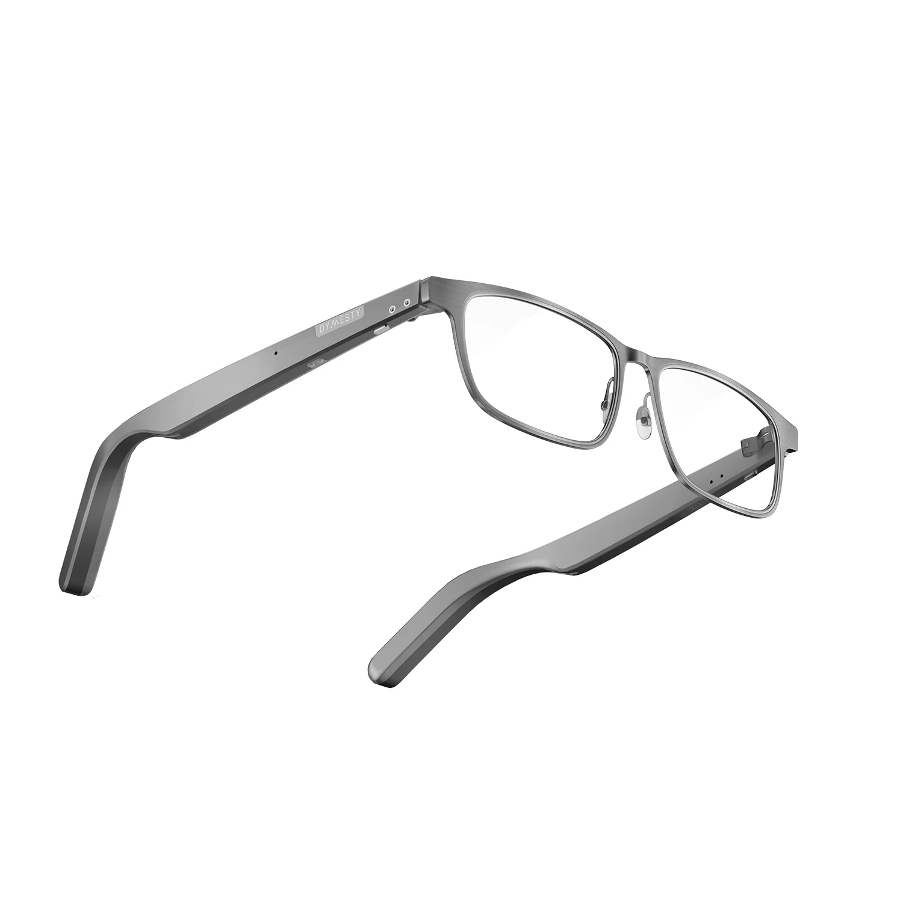
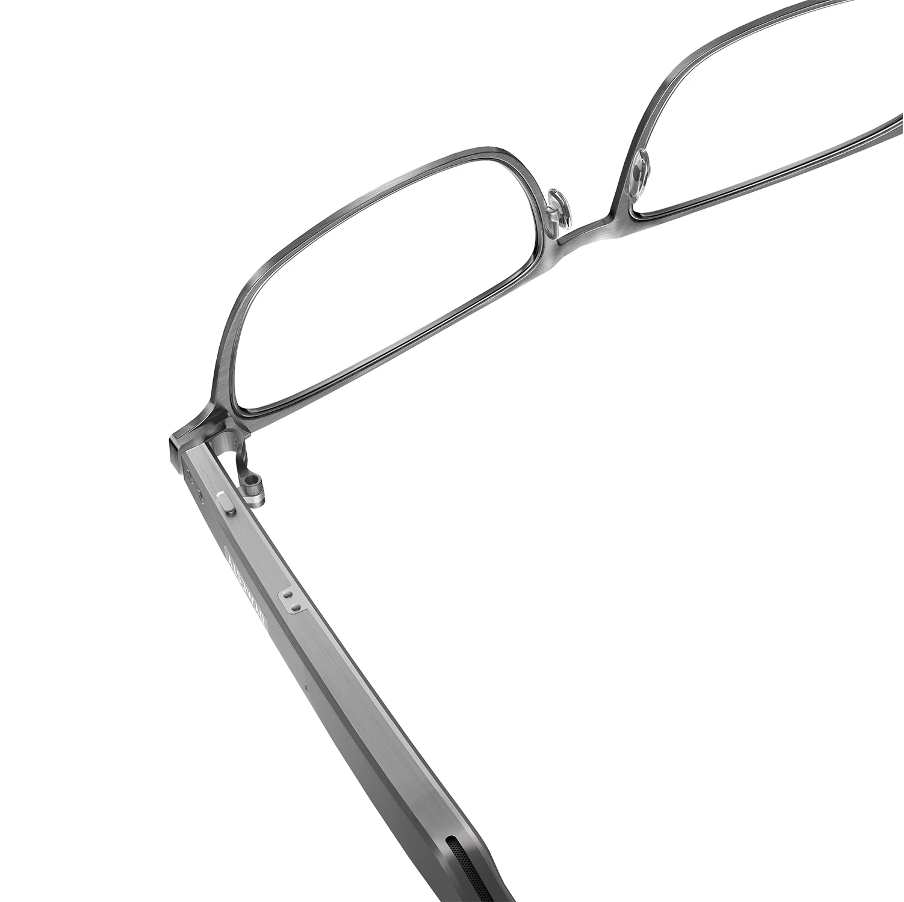
A different approach is to build the recorder into something the user is already wearing. Dymesty Cook Edge is a pair of camera-free AI glasses with four microphones that can record meetings and turn conversations into transcripts and summaries through the Dymesty system. The glasses also provide translation, calls, and audio functions.
The advantage for busy HR professionals is convenience. There is no separate recorder to place on a desk or remember to pick up between meetings; the user can begin recording while wearing the glasses. The camera-free design may also be easier to introduce into workplaces where employees would be uncomfortable with camera-equipped eyewear.
3. HiDock P1
HiDock P1 is designed around a different HR challenge: capturing both face-to-face meetings and online calls. It offers room recording as well as a mode that works with Bluetooth earphones, allowing users to capture conversations from computers or compatible phones without adding a meeting bot.
The device supports transcription in more than 75 languages and can create AI summaries. This could make it useful for HR professionals who divide their day between Zoom or Teams calls and physical interview rooms, although it remains another dedicated device that needs to be connected and carried.
4. viaim RecDot
RecDot combines meeting recording with wireless earbuds. Users can record meetings, phone calls, and online conversations, then generate transcripts, summaries, and action items. Recording can be started from the earbuds or their charging case, making the system more flexible than a traditional tabletop recorder.
That format may appeal to recruiters who already spend much of the day wearing earbuds for interviews and calls. It can reduce the need to switch between headphones and a recorder, although teams should consider whether employees are comfortable keeping earbuds in during longer face-to-face conversations.
5. iFLYTEK Smart Recorder
iFLYTEK takes a more traditional professional-recorder approach. Its Smart Recorder supports real-time and offline transcription and uses multiple microphones to capture conversations from across a meeting room. It can also create structured meeting minutes and summaries.
Offline transcription is particularly interesting for organizations that do not want every step of the transcription process to depend on a live internet connection. For HR teams holding longer group sessions or training discussions, the dedicated microphone setup can also be useful when several people are speaking around a room.
6. Omi Wearable
Omi represents the emerging category of wearable AI memory devices. The necklace-style device works with an app that can capture conversations, produce transcripts, generate meeting summaries, identify tasks, and make past discussions searchable.
For HR, an always-available wearable could be convenient during conferences, informal meetings, or days filled with conversations. At the same time, ambient recording requires especially clear workplace rules. Employees should never have to guess whether conversations are being captured.
7. Amazon Bee
Bee is another wearable approach. Following Amazon’s acquisition of the company, Bee has continued evolving as a personal AI device that processes conversations and can generate useful insights and suggested actions. Amazon says the system processes conversations in real time without storing the underlying audio.
Its lightweight wearable format could be attractive for people professionals who want conversation-based reminders and follow-up support rather than a traditional recorder. However, organizations considering ambient AI devices should evaluate them carefully against internal privacy, security, and employee-data policies.
Dedicated Recorders and Wearables Solve Different Problems
Plaud-style recorders make sense when the user wants a clearly defined device for clearly defined recording sessions. An interviewer can place the recorder down, start the session, and put it away when the conversation ends. That visible workflow can also make it easier to communicate that recording is taking place.
Wearables are more about reducing friction. Products such as Dymesty meeting recording glasses can keep recording functions available without requiring HR professionals to pull out another device before every conversation. That can be useful for people leaders with meeting-heavy schedules, provided the organization has clear rules about when recording may be activated.
Which Type of Device Fits Different HR Tasks?
Rather than selecting one device based on the longest feature list, HR leaders should begin with the conversations they actually need to document. Dedicated recorders such as TicNote, HiDock, and iFLYTEK can be practical when formal meetings are the main requirement.
Wearable formats make more sense when convenience is the priority. Glasses can suit professionals who already wear eyewear throughout the workday, earbuds can fit people who spend hours on calls, and pendant-style devices can support people who move frequently between different conversations.
Recording Should Support HR Judgment, Not Replace It
AI summaries can save time, but HR teams should avoid treating automatically generated notes as an unquestionable record. Transcription systems can misunderstand names, accents, industry terms, or overlapping speakers, and an automated summary may give more attention to one part of a conversation than a human reviewer would.
Important interview decisions, employee-relations matters, or compliance documentation should therefore still receive human review. The most useful role for meeting technology is to reduce repetitive note-taking and make information easier to revisit, not to make sensitive people decisions automatically.
Better Meeting Records Start With Better Policies
Meeting recorders can help HR professionals spend less time writing and more time listening. Interviews can become easier to review, training content can be turned into reusable notes, and follow-up tasks can be captured before they disappear into another busy day.
But HR is not an ordinary recording environment. Candidate information, employee conversations, workplace complaints, and internal discussions can contain sensitive information. Organizations need clear consent, access, storage, retention, and deletion practices alongside whichever hardware they choose.
Plaud helped make dedicated AI recording more familiar, but today’s alternatives show that the category is expanding quickly. The best device for an HR team may now be a recorder, a pair of earbuds, smart glasses, or another wearable entirely. What matters most is choosing a tool that makes documentation easier without making employees, candidates, or HR professionals less comfortable with the conversation itself.