Firm Mattress Support Without the Board-Like Feel
A mattress can feel supportive without making the body feel as though it is resting on a hard board. The difference comes from how the surface responds to weight, how pressure is distributed, and whether the sleeper can settle into a comfortable position without sinking too deeply. A rigid surface may feel stable at first, but if it creates pressure around the shoulders, hips, or other contact points, that firmness may not translate into better sleep.
Finding the best firm mattress means understanding the relationship between firmness and support rather than treating them as the same quality. Some people need a more solid sleeping surface, while others benefit from a cushioned top paired with a stable foundation. The goal is to find a mattress that keeps the body comfortably supported while allowing enough give for natural movement throughout the night.
Firmness Is a Feeling, Support Is a Function
Firmness describes how a mattress feels when someone lies down on it. Support refers to how effectively the mattress accommodates body weight and helps maintain a comfortable sleeping position. Although these qualities influence one another, they are not interchangeable. A mattress can feel firm but still create uncomfortable pressure, just as a softer surface can provide useful support when its construction suits the sleeper.
Body weight and shape help explain why the same mattress can feel different to two people. A lighter sleeper may experience a mattress as relatively firm because their body does not compress the comfort layers very much. Someone heavier may sink farther into those same layers and experience a more cushioned feel. Neither reaction automatically indicates that the mattress is performing poorly.
Sleeping position also changes the experience. Side sleepers often place substantial pressure on the shoulders and hips, which may make an excessively rigid surface uncomfortable. Back sleepers usually need a balance that allows the hips to settle without letting the lower body sink excessively. Stomach sleepers may prefer a more resistant surface, particularly if too much sinking around the midsection feels uncomfortable.
Why an Unyielding Surface Can Become Uncomfortable
A hard-feeling mattress may seem attractive to someone who wants to avoid sagging, but excessive resistance can make it difficult for the body to settle naturally. When the surface barely gives under prominent pressure points, the shoulders or hips may carry more concentrated pressure. This can encourage a sleeper to change positions repeatedly in search of relief.
The issue is not simply that the mattress needs to be softer. A very soft mattress may create a different problem if it allows heavier parts of the body to sink too far. The useful middle ground depends on how the mattress distributes weight and how its layers respond to different parts of the body. Firmness needs to work with the sleeper rather than against them.
It is also worth distinguishing an uncomfortable first impression from the experience of sleeping on a mattress for several nights. Some people need time to adjust to a different feel, but persistent pressure, difficulty finding a relaxed position, or a sense that the body is poorly supported should not be dismissed. Comfort is personal, and a firmness label cannot tell the whole story.
The Comfort Layer Should Give Without Giving Way
The upper layers of a mattress influence the initial feeling of contact. They determine how much cushioning the shoulders, hips, and other areas receive before the body meets the deeper support structure. If these layers are too thin or resistant for the sleeper, the surface may feel harsh. If they compress excessively, the sleeper may feel as though they are sinking into the bed.
Foam can help create a balance between these extremes. Memory foam gradually responds to body heat and pressure, contouring around the sleeper instead of behaving like a uniformly rigid slab. Depending on its density and formulation, it can provide a close, cushioned feel while deeper layers help limit excessive sinking. The result depends on the complete construction rather than the presence of memory foam alone.
Other designs use latex, responsive foam, or coils to change how quickly a mattress reacts when someone shifts position. More responsive materials may make it easier to move across the surface, while slower-contouring foam can provide a more enveloping sensation. Neither response is automatically better. The right choice depends on whether the sleeper prefers to feel gently cradled or more clearly supported from underneath.
A Firm Mattress Should Respond to Different Body Areas
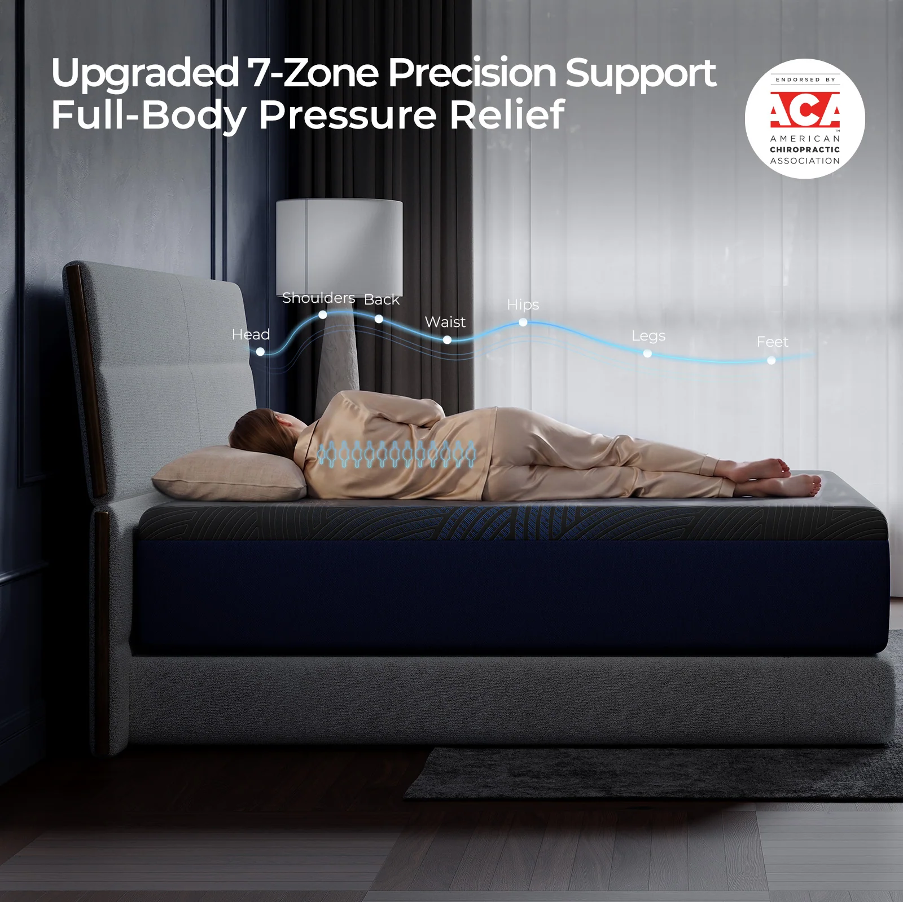
The body does not place equal pressure on every part of a mattress. Shoulders, hips, and the torso have different shapes and weights, so a single uniform level of resistance may not feel equally comfortable across the entire sleeping surface. A well-considered design accounts for these differences instead of relying on overall firmness alone.
Zoned support is one way manufacturers approach this challenge. Different areas of the mattress are designed to respond differently, with the aim of providing more suitable support beneath key body regions. The details vary between products, and the presence of zones does not guarantee that every sleeper will find the mattress comfortable. Body proportions and preferred sleeping positions still influence the result.
This is why it helps to assess how the whole body feels when lying down. The lower back should not feel as though it is hanging unsupported, and the hips should not drop noticeably below the rest of the body. Side sleepers should also consider whether their shoulders can settle into the surface without feeling compressed. These observations are more useful than judging a mattress by how hard it feels when pressed with a hand.
Choosing the Right Balance Between Cushioning and Resistance
A firm mattress should not be selected solely because a particular firmness level is often recommended for a certain sleeping position. General guidance can help narrow the options, but individual differences matter. A lighter side sleeper and a heavier side sleeper may need different levels of cushioning even if both prefer a supportive feel.
Think about what happens when you first lie down. Does the surface offer enough give around the shoulders and hips? Can you relax without feeling that the body is being pushed upward by a hard surface? When you turn over, does the mattress respond comfortably, or does movement feel unnecessarily difficult? These questions help connect a firmness description to the experience that actually matters.
Consider your usual sleeping position, too. People who spend much of the night on their backs may appreciate a balanced surface that cushions the body while limiting excessive sinking. Side sleepers may need more pressure relief than the word firm suggests. Those who sleep on their stomachs often pay closer attention to how well the mattress resists sinking around the midsection. Combination sleepers may prioritize a surface that accommodates these changes without feeling restrictive.
How Cooling Foam and Zoned Support Can Work Together
Temperature and support may seem like separate concerns, but both affect the overall experience of a mattress. A sleeper who becomes uncomfortably warm may shift positions more often, while a surface that creates pressure can make it harder to settle in one position. Material choices therefore influence several aspects of comfort at once.
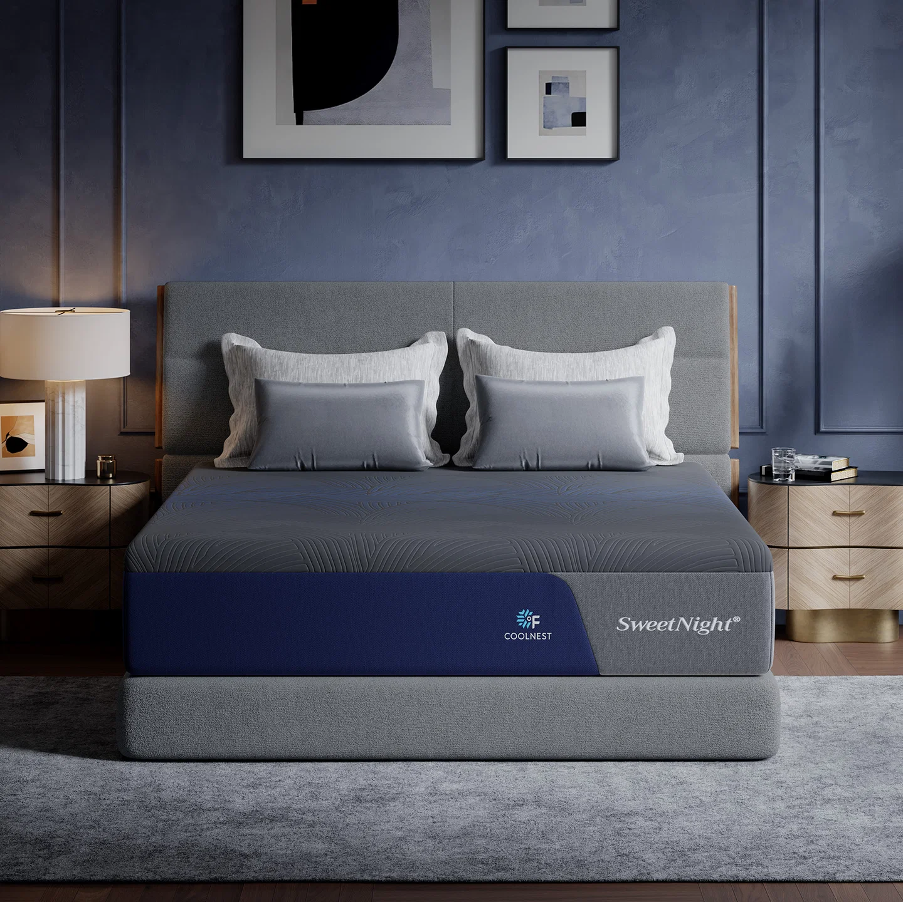
The SweetNight CoolNest Pro Memory Foam Mattress is one example of a design that combines contouring with a structured support system. Its construction includes a gradient cooling ice-silk cover, PCMflux® high-resilience foam, perforated comfort and gel-infused memory foam, high-density support comfort foam, and contour-cut seven-zone support foam. The zoned structure is designed to provide targeted support, while the comfort layers help cushion the body rather than relying on a uniformly hard surface. The product is listed as having a medium feel, so it is better understood as an example of balanced cushioning and support than as a strictly firm mattress.
That distinction is useful when comparing mattress designs. A person looking for support does not necessarily need the firmest option available. Depending on body weight, sleeping position, and comfort preferences, a medium mattress with a structured support system may feel more suitable than a very firm surface. The product’s specifications can help explain its design, but the final choice should reflect the sleeper’s own comfort needs rather than the assumption that every supportive mattress must feel hard.
The Bed Base Can Affect the Feel You Experience
A mattress does not work independently of the structure beneath it. An appropriate bed frame or foundation provides the intended base for the mattress, while an unsuitable or damaged support system can affect how evenly the surface feels. Before replacing a mattress that seems uneven, check whether the existing base is compatible with the manufacturer’s requirements.
The mattress’s condition matters as well. Over time, materials can change under repeated pressure, particularly in areas where someone sleeps most often. Visible depressions, uneven surfaces, or a persistent loss of support may indicate wear. Rotating the mattress is appropriate for some models, but not all mattresses are designed to be rotated or flipped, so the manufacturer’s care instructions should guide any maintenance.
Room temperature and bedding are also part of the experience. Thick bedding may make a comfortable mattress feel warmer, while a poorly fitted sheet can affect how the surface feels when moving. These factors will not correct an unsuitable firmness level, but checking them can help distinguish a mattress problem from an issue with the wider sleep setup.
Give Your Body Time to Evaluate the Mattress
A quick test in a showroom can reveal an immediate preference, but it cannot reproduce a full night of sleep. If possible, lie in your usual sleeping position for several minutes and pay attention to areas where pressure develops. Change positions and notice whether the mattress allows movement without making you feel trapped or unsupported.
During a home trial, assess the mattress over multiple nights rather than focusing on one morning. Notice whether you can settle comfortably, whether you repeatedly move to escape pressure, and whether the surface feels supportive in your normal sleeping positions. Keep your pillow and bedding reasonably consistent during this period so that you can make a clearer judgment about the mattress itself.
Review the trial and return conditions before purchasing. A generous trial period can provide time to evaluate comfort in your own environment, while the care instructions help you understand how to set up the mattress properly. It is better to make a considered decision based on sustained comfort than to rely on a firmness number alone.
Support Should Feel Steady, Not Punishing
A supportive mattress does not need to feel like a rigid platform. Its job is to provide a stable foundation while allowing enough cushioning for the body to settle comfortably. The balance between these qualities depends on the sleeper’s weight, body shape, preferred position, and sensitivity to pressure.
When comparing options, look beyond labels and focus on how the comfort layers and support structure work together. A mattress that feels extremely firm may not be the most suitable choice, just as a deeply cushioned mattress may not provide the resistance you prefer. The best match is the one that helps you remain comfortable without excessive sinking or uncomfortable pressure.
Ultimately, firmness should serve comfort rather than replace it. By considering how a mattress responds to your body, checking the support system beneath it, and evaluating its feel over time, you can find a sleeping surface that feels steady and reassuring without being unnecessarily hard.