Kpower Launches New Drone Motor Lineup: World-Leading Brushless UAV Motors from 5g to 650g
Kpower, a national high-tech enterprise with 20 years of micro-drive engineering, 160+ patents, and a monthly capacity of 780,000 drive units, today announced a new drone motor lineup covering every UAV power band from 5 grams to 650 grams. Whether you need a drone electric motor for a micro indoor racer or a heavy-lift motor for agricultural aircraft, the four-model series offers a single source for brushless drone motor selection.
Why Choosing a Drone Motor Is Harder Than It Looks
Choosing a drone motor has become one of the first questions in any UAV build. Search terms like “drone motor,” “uav motor,” “brushless motor for drone,” and “fpv drone motors” stay consistently active on Google, from English-speaking builders to Spanish speakers searching “motor de drone.” There is no universal best motor; every spec pulls against another. KV trades off against prop size, weight against thrust, and efficiency against heat. Getting it right means reading specs against your frame, battery, and mission, not against marketing numbers.
The Kpower UAV Motor Lineup: Four Motors, Four Power Bands
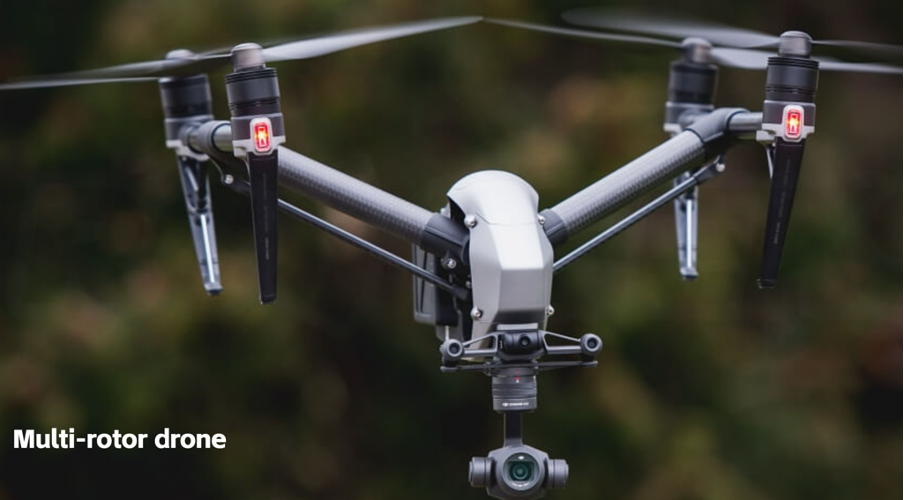
The Kpower lineup breaks drone motor selection down into four power bands, from 5 grams to 650 grams.
1203: Micro FPV Drone Motor (5g, 7000KV)
Weighs just 5 grams with a 7000KV rating on 2–3S packs, aimed at micro and indoor builds where every gram counts.
2208: Freestyle and Racing (32.6g, 1890KV)
Suits freestyle and racing frames that need quick response on 5–6S packs.
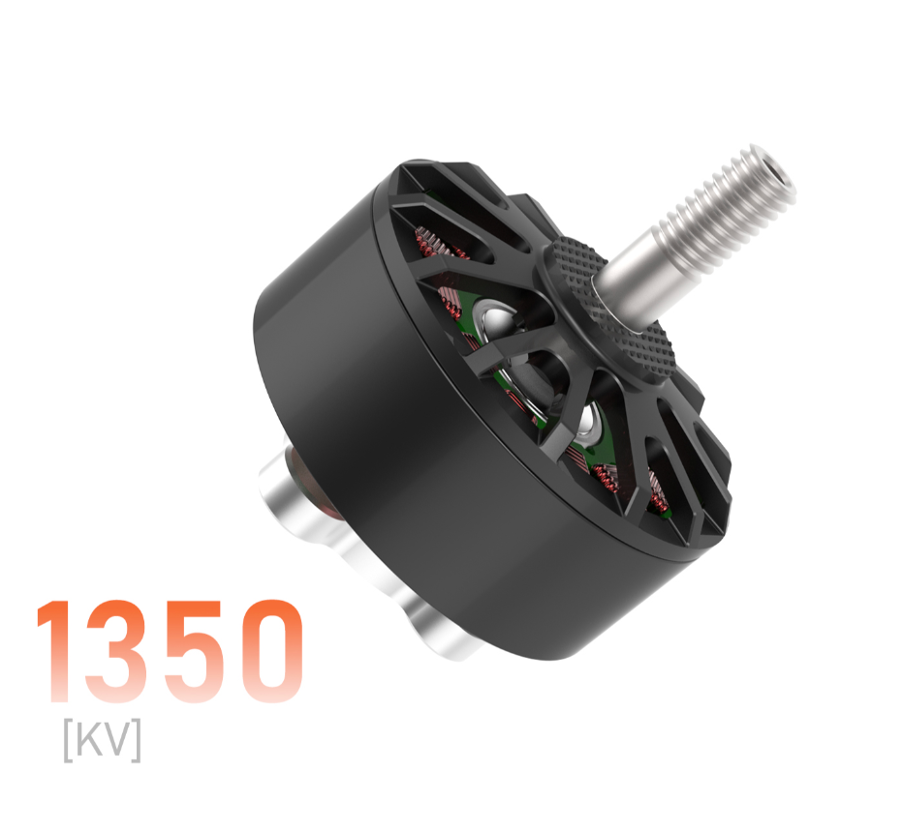
2810: Camera Platforms and Cruising (32.6g, 1350KV)
Trades speed for torque: same weight, lower KV, built for slightly larger props and steady, efficient cruising on camera platforms.
5330: Heavy-Lift UAV Motor (650g, 210KV)
Reaches 3600W and nearly 12kg of peak thrust on 12S packs, covering agriculture and delivery workloads without power concerns.
Full specifications and mounting drawings are published at , with a dedicated product page for the 5330 at
Why Brushless Is the Default for Electric Drones
All four motors are brushless, which has become the default answer in electric drones. Brushed motors switch direction through physical brushes; spin them fast or load them hard, and the brushes wear while heat builds up. Brushless motors switch electronically with no brush contact, which means higher efficiency, longer life, and far more comfort under sustained load. The real engineering happens in the magnetic circuit, winding quality, and cogging torque — the details Kpower has spent two decades refining. In practical terms, that means higher thrust-to-weight ratio and longer battery life at the same weight, and gimbal motors smooth enough to keep mapping, logistics, and agriculture cameras stable. This is why BLDC motors became the standard for electric drone builds, and why builders who need different shaft diameters, power levels, or mounting sizes can request customized drive solutions instead of settling for an off-the-shelf model
Different Missions, Different Drone Motor Needs
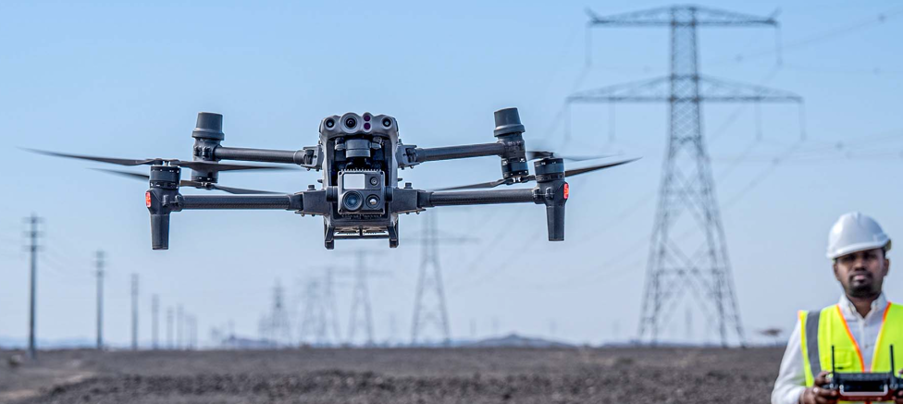
FPV freestyle and racing need response and burst, so high KV and low weight matter most. Aerial photography and mapping need smoothness and endurance, putting low cogging torque and efficiency first. Agriculture and delivery need thrust and reliability in dirty, humid environments, where protection rating and lifespan outrank peak specs. Inspection and rescue aircraft need stable hover and redundancy, because a motor that fails mid-task is not an option.
Agriculture: The Toughest Test for a Drone Motor
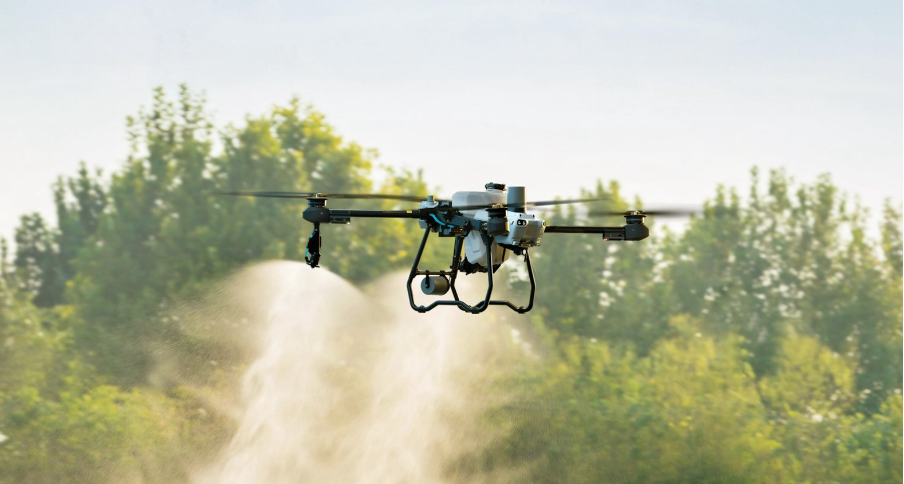
Agricultural spraying is about as hard on a motor as it gets. During the season, crop-spraying drones fly almost every day, and their motors work for hours in pesticide, dust, and high humidity while keeping the spray flow steady. The AG5013 plunger pump motor Kpower builds for DJI’s agricultural drones delivers a 200% increase in power density over the previous generation with IP67 protection, a product forged in exactly that environment. Field experience like that shapes a very different understanding of thrust, waterproofing, and lifespan than building hobby motors does.
The Engineering Behind the Lineup
This is where Kpower’s track record shows. The company runs two R&D centers with more than 80 engineers — about a quarter of its 400+ employees — and holds 160+ patents and IPs. Its integrated drive-control approach combines motor, gearbox, and controller in a single module, a design Kpower says can cut a customer’s development cycle in half. Backed by a 47,000 m² production base and a monthly capacity of 780,000 units, the same line that serves 500+ enterprise clients in 50+ countries now serves drone builders who want standard motors today and custom motors tomorrow.
Beyond Drone Motor Price: Samples, Lead Time, and Support
Drone motor price is what most buyers check first, but samples, lead time, and support decide the real cost. Wrong specifications cost more in rework and crashes than any price difference, and a missed delivery stalls the whole project. Kpower offers free samples for functional verification to leading industry customers, ships standard products within 48 hours of order confirmation, and helps with selection: engineers will run the numbers on your frame, battery, props, and target payload if you send them over. The website is available in English, French, German, Spanish, Italian, Japanese, Korean, and more (https://www.kpower.com/), with business covering 50+ countries.
“There is no one-size-fits-all drone motor, only the combination that fits your mission and budget. What we want is to cover all the combinations, publish the specs clearly, and let people who come looking for a motor waste a little less time,” said a Kpower product lead [name to be confirmed].
“Two decades into this industry, we have watched drone performance and cost push each other to the limit. What Kpower can do is keep making the motors solid, so more aircraft can get off the ground,” said a Kpower executive [name to be confirmed].
About Kpower
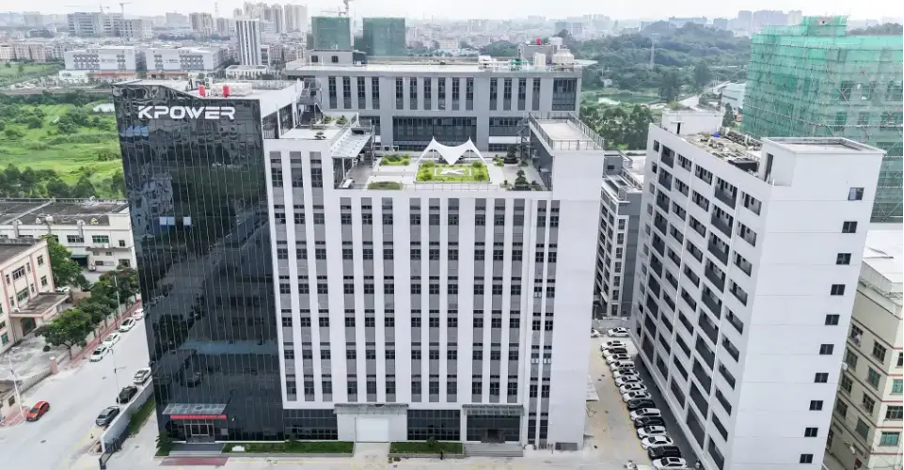
Founded in 2005 and headquartered in Hengli Town, Dongguan, China, Kpower is a national high-tech enterprise and has been recognized by the Dongguan Science and Technology Bureau as the Engineering Technology Research Center for Precision Servo Transmission and Control Systems. The company operates two R&D centers with more than 80 engineers, holds 160+ patents and IPs, and builds integrated drive-control modules across a 47,000 m² manufacturing base with more than 400 employees and a monthly capacity of 780,000 units. It has developed over 400 drive products and serves more than 500 enterprise clients in over 50 countries. Product lines cover servos, brushless motors, gear motors, and customized drive modules for smart home, robotics, UAVs, smart cockpits, medical devices, and industrial automation.