
Smart Ways to Use a Power Station at Home
A power station can do far more than sit in a closet waiting for an outage. At home, it can support daily charging, keep key devices running, and provide a practical backup plan when the grid goes down. Used well, it helps you stay connected, protect essentials, and manage energy more efficiently. From phones and laptops to routers, lights, and small appliances, a power station adds flexibility without the noise or fuel needs of traditional alternatives. The smartest approach is matching its capacity and output to the jobs you need most.
Using a Power Station for Everyday Home Power Needs
Keeping Essential Devices Charged Throughout the Day
A power station works well as a central charging hub for the devices you use constantly. Phones, tablets, laptops, rechargeable lights, cameras, and wireless accessories can all stay topped up from one place instead of competing for wall outlets. This setup is especially useful in kitchens, family rooms, or entry areas where people tend to charge devices throughout the day. It also helps during brief interruptions or voltage issues that might otherwise disrupt work or communication. To make daily use more efficient, charge high-priority devices first and unplug fully charged items promptly. Keeping a simple routine reduces idle drain and ensures your most important electronics are ready whenever you need them.
Supporting Home Offices and Entertainment Devices
A power station can also support the devices that keep your home productive and comfortable. In a home office, it can power a laptop, monitor, modem, router, desk lamp, and phone charger, helping you avoid interruptions during short outages or while working in rooms with limited outlets. In living areas, it can run a TV, speakers, streaming equipment, or gaming accessories for several hours, depending on total wattage. This flexibility makes it easier to create temporary work or entertainment setups without rewiring a space. Check each device’s power draw before connecting it, and group lower-wattage electronics together to get steady performance without overloading the unit during extended use.
How a Power Station Helps During Power Outages?
Powering Important Household Equipment During Emergencies
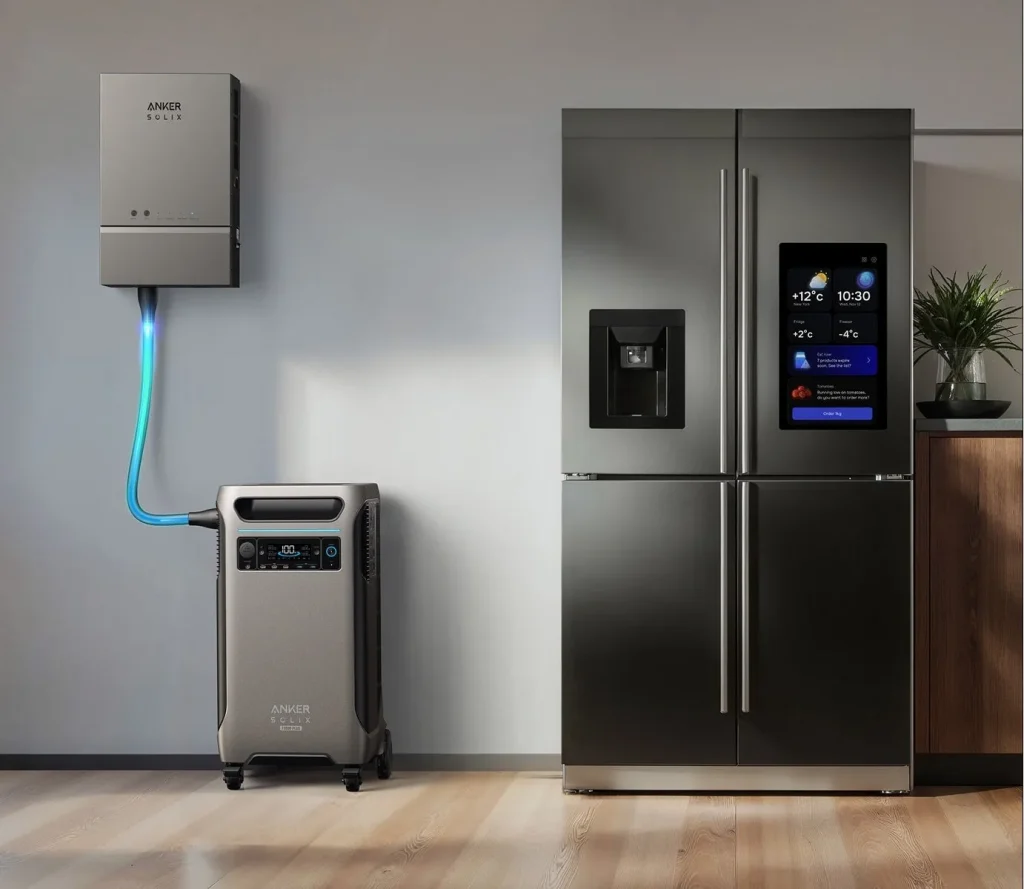
During an outage, a power station helps you focus on the equipment that matters most. Start with communication and safety devices such as phones, radios, routers, flashlights, and medical support equipment approved for battery backup use. Then prioritize refrigeration, basic lighting, fans, and small cooking devices if your unit can handle the load. The Anker SOLIX F3800 Plus Portable Power Station fits this role well because it starts at 3.84kWh with 6kW output and can expand to 53.8kWh with 12kW for days-to-week-long backup. That range gives households a more serious emergency option than a small battery pack, especially when several essential circuits or appliances need stable power.
Preparing a Reliable Backup Power Plan at Home
A reliable backup power plan starts before the lights go out. Make a list of essential devices, note their wattage, and estimate how many hours you need each one to run. Store charging cables, extension cords, and basic lighting near the power station so everything is easy to access during an emergency. Keep the unit charged and test it regularly with the devices you expect to use. It also helps to assign priorities, such as medical equipment first, refrigeration second, and comfort items last. A clear plan prevents wasted energy, reduces confusion, and lets everyone in the household know exactly how power will be used when outages happen.
Smart Ways to Improve Power Station Efficiency at Home
Managing Energy Usage for Longer Runtime
Getting longer runtime from a power station depends on using energy with intention. Begin by powering only what you truly need, then rotate devices instead of running everything at once. Lower screen brightness on tablets and laptops, switch off unused lights, and choose energy-efficient appliances whenever possible. Avoid plugging in devices that create high startup surges unless the unit is designed to handle them. It is also smart to recharge phones, batteries, and small electronics during periods of lower demand so larger essentials remain covered later. Reviewing battery level throughout the day helps you adjust early, conserve stored power, and stretch available capacity through the most important hours at home.
Combining Solar Charging With Home Energy Planning
Solar charging makes a home power station more useful because it lets you restore battery capacity without relying only on the grid. Place solar panels where they receive strong direct sunlight, and plan heavier device use after recharging periods when possible. The Anker SOLIX F3800 Plus supports up to 3,200W solar input with dual MPPT across an 11-165V range, allowing a full recharge in under 2 hours in optimal sunlight. Its app also lets you track charging, usage, and battery status in real time, which helps with better planning. With that visibility, you can shift usage patterns, protect reserves, and make solar input part of a smarter household energy routine.
Conclusion
A power station becomes far more valuable when you use it as part of a daily routine and a clear emergency plan. It can keep essential devices charged, support work and entertainment, and provide dependable backup during outages. The key is to prioritize important loads, monitor usage, and recharge strategically to extend runtime. Pairing battery storage with solar input can make the system even more practical for home use. When chosen carefully and managed well, a power station offers quiet, flexible energy that improves convenience, resilience, and preparedness without adding unnecessary complexity to your household setup or daily electrical habits.