How To Outsmart The Dumpster Detective
If you picture a “dumpster detective” as someone in a trench coat digging through trash at midnight, you are only getting half the story. The modern version can be a porch pirate, a nosy neighbor, a scammer looking for account numbers, or even a thief who never touches your home directly. Your trash can tell a detailed story about your schedule, your purchases, your habits, and the weak points around your property. That means the smartest defense is not just about what you throw away. It is about what your home reveals before anyone even lifts the lid.
A lot of homeowners focus on front doors and windows, but the real privacy leak often starts at the curb. Boxes from expensive purchases, discarded shipping labels, junk mail with your name and address, and paperwork with partial account information can all become clues. Pair that with poor visibility around side yards or alley access, and you have a situation where a snooper can work unnoticed. This is where security cameras for home start to matter, not as flashy gadgets, but as tools that help shrink blind spots and discourage anyone who thinks your trash area is an easy target.
What makes this problem tricky is that dumpster snooping is rarely about garbage itself. It is about pattern recognition. A broken appliance box suggests a recent purchase. A stack of travel brochures hints that nobody may be home soon. Prescription packaging can reveal personal details. Even something as boring as repeated delivery labels can confirm your full name and exact address. In other words, a trash bin can become a rough draft of your private life if you let it.
Think Like a Quiet Observer
The best way to outsmart a dumpster detective is to stop thinking like a homeowner for a minute and start thinking like an observer standing outside your property. What could they learn in thirty seconds? Could they see when you usually roll bins out? Is there a side gate that never fully latches? Is the trash stored in a dark corner hidden from the street? Can someone reach your bins without crossing a well lit area?
This shift in perspective changes everything. Instead of asking, “Is my trash secure?” you start asking, “How easy is it for a stranger to gather information here without being noticed?” That question leads to stronger solutions. A visible camera, better lighting, trimmed landscaping, and a locked gate do more than protect a trash can. They change the risk calculation for the person snooping around.
Your Goal Is Friction, Not Perfection
You do not need to make your property look like a fortress. You just need to make casual snooping inconvenient, obvious, and unrewarding. Most people poking around trash or side yards are looking for easy access and low risk. If they have to step into a lit area, pass a camera, open a secured gate, and sort through shredded paper instead of readable documents, the payoff drops fast.
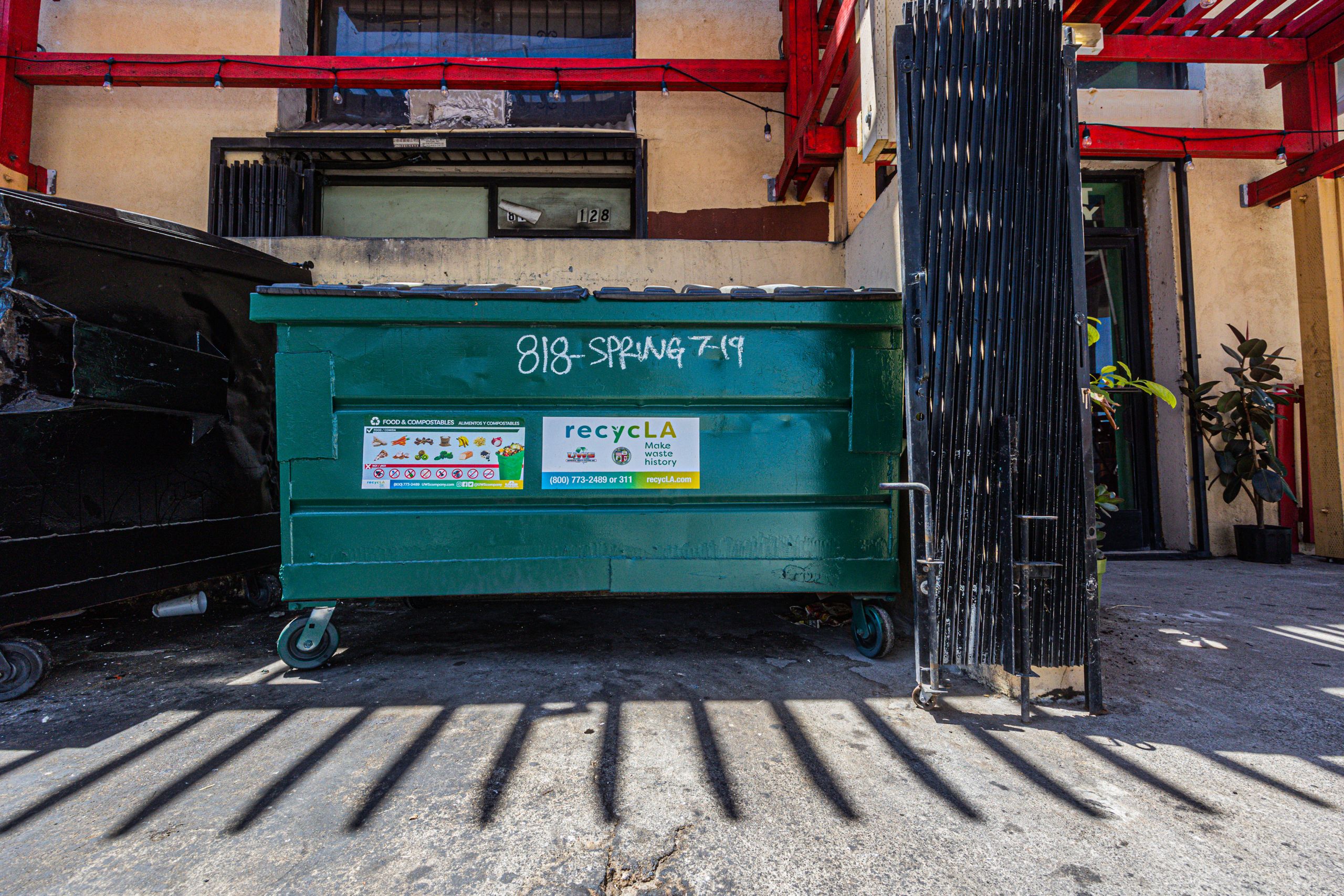
That is why your trash strategy should have layers. Start with physical access. Keep bins inside a garage, behind a fence, or in a spot that is not easily reached from the sidewalk. If that is not possible, at least place them where they are visible from your home or from a camera angle. The point is to remove private little corners where someone can linger unnoticed.
Then deal with information exposure. Break down boxes and turn labels inward. Shred anything with names, account numbers, medical details, or barcodes tied to shipments. The Federal Trade Commission’s identity theft resources emphasize protecting personal information and taking action quickly if it is misused, which makes document destruction more than a tidy habit. It is basic self defense in paper form. identity theft recovery guidance from the FTC is also worth knowing about before you ever need it.
Trash Day Is a Security Event
Most people think of trash pickup as a chore. It helps to think of it as a small security event. The night before collection is often when bins are fullest, most accessible, and most tempting to snoopers. The morning after pickup can also reveal patterns about who is home and who is away. If your bin sits out for an extra day every week, that tells observant people something about your routine.
Try tightening that window. Put bins out closer to pickup time when possible, and bring them back promptly. Avoid leaving visible packaging from high value items sitting on top. If you are away, ask someone you trust to handle bins just as you would ask them to collect mail. The United States Postal Service also recommends steps like promptly retrieving mail and using hold services when you are away, because unattended deliveries and overflowing boxes create similar opportunities for theft and identity misuse. mail theft prevention tips from USPS line up well with the same logic you should apply to trash security.
The Side Yard Matters More Than the Front Door
Here is the angle many people miss. The side yard, fence line, garage exterior, and bin storage area may matter more than your front porch when it comes to privacy leaks. Front entries usually get attention. Side areas often do not. They are darker, less visible, and easier to approach without looking suspicious.
Walk that route yourself. Check sightlines at night. See whether motion lights actually trigger where someone would stand. Make sure gates close fully. If you have cameras, confirm they cover the approach to the trash area, not just the driveway or front stoop. A camera that captures a person after they are already leaving is less useful than one that catches them entering the space.
It also helps to cut down visual clutter. Tall shrubs and stacked yard equipment can create cover. The cleaner and more visible the area, the less comfortable it feels for anyone planning to poke around.
Do Not Ignore Digital Clues in Physical Trash
A dumpster detective does not always need a full bank statement to cause trouble. QR codes, shipping confirmations, return labels, and service appointment sheets can reveal more than you think. Even partial information can be pieced together with data from social media or public records. That is why “harmless” scraps can still be valuable to the wrong person.
Be especially careful with packaging from electronics, smart devices, financial services, and medical suppliers. Those boxes can signal both what you own and what data might be connected to your household. If possible, remove labels completely, black out personal details, or cut identifying sections into smaller pieces before disposal.
Good Security Sends a Message
The real win is not catching someone after they snoop. It is making them decide not to try in the first place. A well placed camera, a lit access path, a locked gate, and a household habit of shredding sensitive papers all send the same message: this property pays attention.
That kind of message matters because snooping thrives on neglect. It relies on the homeowner who never thinks about the trash area, never checks side access, and never notices what gets exposed at the curb. Once you start treating refuse as part of your home’s information footprint, you become much harder to read.
In the end, outsmarting the dumpster detective is less about garbage and more about control. Control what can be seen, what can be accessed, and what can be learned. When your property stops telling an easy story, the detective usually moves on.