How Branded Employee Gifts Strengthen Visual Identity in Modern Workplaces
Most designers treat a brand guide like a static monument. They obsess over hex codes and the exact kerning of a wordmark while forgetting that a brand only truly lives when it moves through the physical world.
In the modern workplace, the transition from a digital interface to a physical object is the ultimate stress test for any visual identity. If your typography looks elite on a Retina display but loses its soul when printed on a notebook, the identity is failing.
There are 3,400 brand impressions generated by a single piece of quality promotional gear every year. For a designer, that is not just a marketing stat. It represents 3,400 moments where your visual system is either reinforced or diluted.
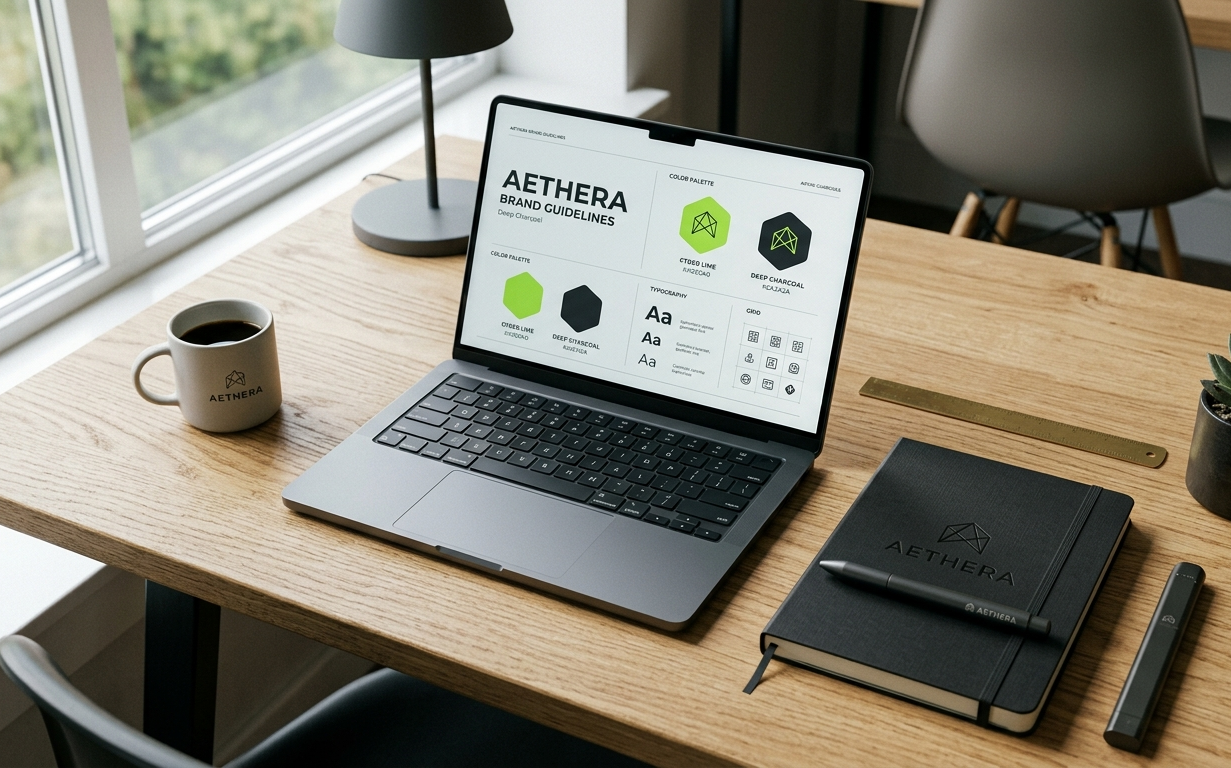
When an employee carries a branded bag or uses a custom desk accessory, they become a walking extension of the UI. The texture of the material and the precision of the logo placement are as critical as the padding in your CSS.
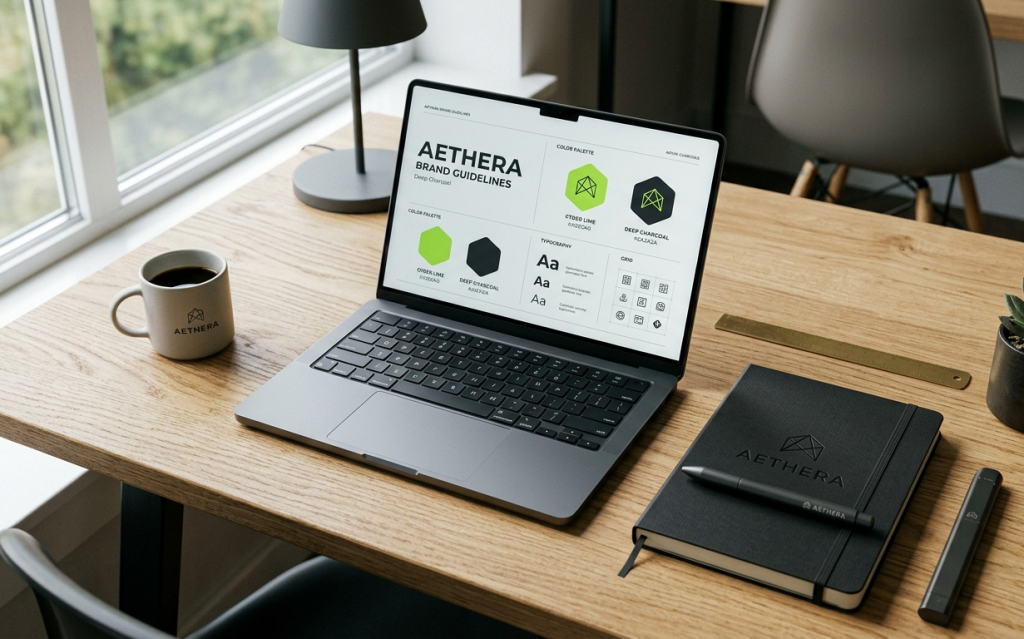
Image Source: Google Gemini
The Physical Extension of UI Design
When we talk about brand touchpoints, we usually focus on the website or the app. However, the physical environment of a modern office is just another layer of the user experience.
A high quality gift acts as a physical widget that an employee interacts with daily. If the brand values minimalism and “less is more,” but the gift is a cluttered, over-engineered gadget, there is cognitive dissonance that weakens the overall design narrative.
Brand consistency adds up to 20% in revenue growth for companies that maintain a unified look across all channels. This includes the internal culture. When the workplace’s visual language matches the external marketing, it creates a seamless loop.
Designers must view employee merchandise as a medium, much like print or digital, where the constraints of the substrate dictate the execution of the identity. This approach ensures that the “brand” isn’t just a PDF sitting in a shared drive. It is something felt and used.
Tactile Typography and Materiality
The choice of material for an employee gift is essentially the “paper stock” of the corporate world. Just as a heavy, textured business card conveys more authority than a flimsy one, the weight of a metal pen or the weave of a canvas tote communicates brand personality. We are seeing a massive shift toward tactile textures and handcrafted imperfection as a way to ground digital-first companies.
Reputable suppliers like Successories offer a range of employee gifts for teams, helping companies bridge the gap between the screen and reality. Choosing the right item is about more than utility. It is about how the logo interacts with the surface.
A debossed logo on leather creates a play of light and shadow that a flat digital icon can never replicate. This depth adds a premium layer to the visual identity, making the brand feel more permanent and established.
The design team should be involved in the selection process to ensure the physical assets don’t clash with the established aesthetic.
- Select matte finishes to mirror the “Dark Mode” aesthetic of modern software interfaces
- Use tonal or “ghost” printing for a subtle and sophisticated brand presence
- Prioritize geometric shapes that echo the iconography found in the company app
Color Theory Beyond the Screen
Color theory applies differently when it leaves the glowing environment of a monitor. What looks like a vibrant “Cyber Lime” on a screen might look like a muddy neon in a fabric dye.
Modern branding requires a “Liquid Identity” where modular icons and high contrast color pairs are designed to be flexible across various mediums. When selecting gifts, the goal is to find the closest physical match to the digital brand palette.
A brand is a living system. If your brand relies on a specific shade of blue to convey trust, that blue must be consistent from the favicon to the hoodie.
Research shows that 94% of a brand first impression is shaped specifically by design elements. If the physical gift looks cheap or off-color, the employee subconsciously associates those qualities with the company itself.
Designers must be bold because when the colors pop, the identity becomes undeniable. When the execution is flawless, the gift stops being “swag” and starts being a curated piece of the brand’s visual story.
Functional Minimalism in Professional Spaces
The trend for 2026 is moving away from “logo-slapping” and toward integrated design. This means the brand identity is woven into the object’s functionality.
A notebook isn’t just a place to write. It is a grid system that reflects the company’s internal organization. A tech accessory isn’t just a charger. It is a piece of industrial design that should feel as if it were born in the same studio that designed the company’s website.
Physical objects have a “heft” that digital assets lack. They take up space on a desk and in a life. When an employee uses a well-designed piece of brand collateral, they are performing a ritual of brand alignment.
This is why the gift’s aesthetic quality is more important than the gift itself. A poorly designed item will be hidden in a drawer, while a beautiful one will be placed front and center, acting as a permanent billboard for the brand’s visual standards.
The focus remains, the clutter disappears, and great design simplifies every task. This level of intentionality shows that the company cares about the details, which is the cornerstone of any great brand.
Enhancing the Daily Design Experience
The modern workplace is no longer just a set of desks. It is a curated experience where every element should feel intentional.
By treating employee gifts as a core part of the visual identity, designers can extend the reach of their work into their team members’ everyday lives. This creates a stronger emotional bond and a more cohesive professional environment.
Investing in high-quality physical touchpoints ensures that the brand remains relevant even when the screens are turned off. It is about creating a holistic ecosystem where the digital and physical worlds speak the same visual language. When this harmony is achieved, the brand becomes a culture.
For more advice on branding, design, and everything related to your business’ visual identity, don’t go anywhere, as our site is packed with posts that address your most commonly asked questions.