
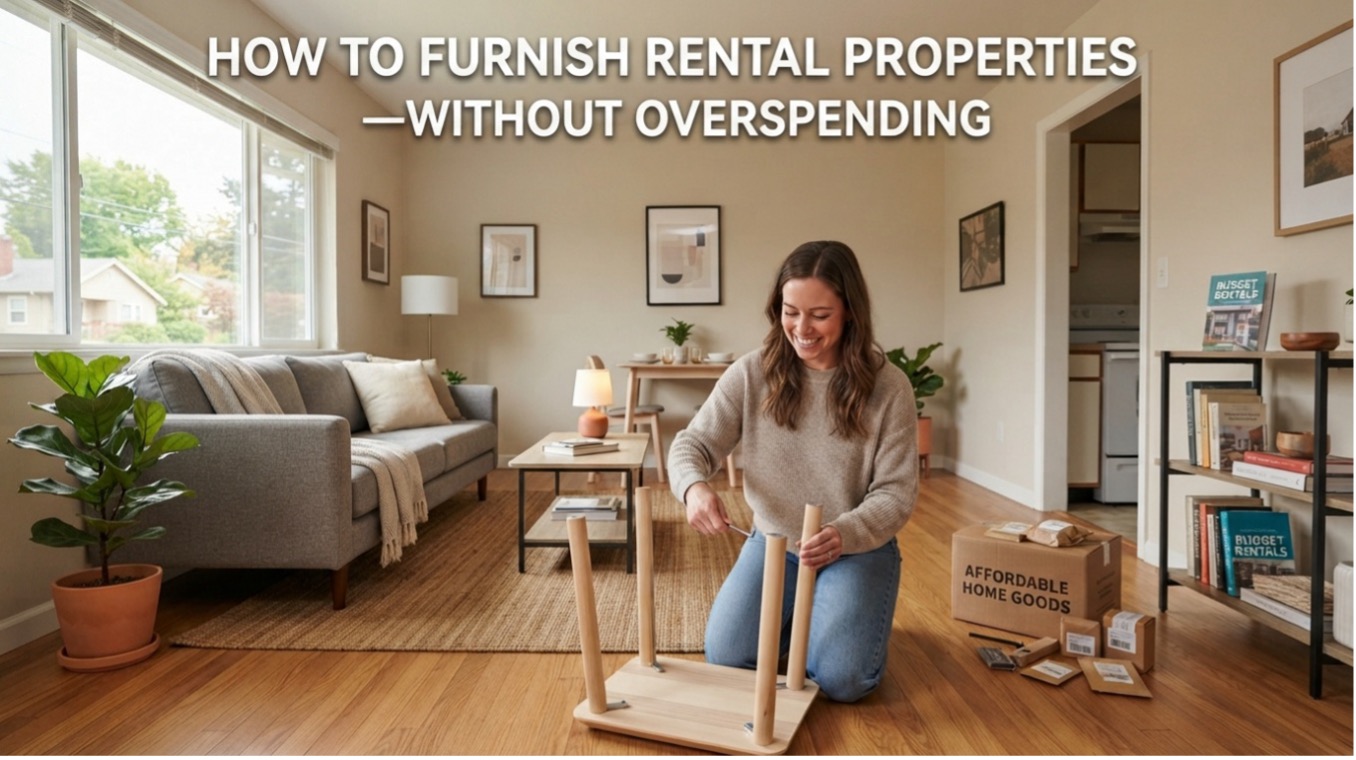
How To Furnish Rental Properties—Without Overspending
The first thing that all rental property owners need to understand when it comes to furnishing is these types of investments go so much further than just aesthetics.
The right décor and furniture setup can make residential spaces a lot more appealing for potential tenants, and this has a lot to do with you creating a cozier living environment and even reducing the need for potential replacements.
However, it’s also no secret how furnishing an entire rental property can quickly become expensive, and this is often a drawback for real estate investors working within a tight renovation budget or managing multiple units.
The key to furnishing rental properties without overspending is knowing where to save, where to spend, and which interior design choices offer practical, long-term value. Below we’ll be detailing how you can take a more thoughtful approach with your rental property decorating—without stretching your budget!
Starting Out With Essentials Prior To Buying Décor Items
Before shopping for accessories and furniture, be sure your rental property has what it genuinely needs. One thing to keep in mind in terms of rental essentials is that vacation rentals, furnished apartments, and long-term rentals all might require unique approaches.
But regardless of what type of property you’re renting, be sure to start with the basics like:
- Beds
- Dining furniture
- Seating
- Storage
- Essential lighting
You’ll want to prioritize the items you know tenants will use on a daily basis, mainly because functionality and comfort must always come before décor extras.
It’s also a good idea to create a furnishing budget for each room. Assign your own spending limits for major purchases, and be sure to leave a certain amount for unexpected expenses. This type of budgeting approach will go a long way to help you avoid impulse purchases that can eat away at your budget long before your unit is even close to fully furnished.
For investors who are looking to furnish multiple units, creating a sense of consistency can also simplify your purchasing process. This could mean prioritizing a few dependable color schemes and furniture styles that’ll simplify replacing damaged items or furnishing more properties without needing to start fully from scratch.
Be Sure To Spend More On Household Items That Experience Daily Wearing
Not every furnishing arrangement needs to be pricey, but some household purchases definitely deserve a decent share of your budget.
This includes things like sofas, mattresses, dining chairs, and storage pieces that need to be both durable and comfortable enough to withstand daily use. Cheap furniture might seem like a good way to save, but needing to replace poorly made items on a regular basis ends up being far more expensive as compared to initially purchasing quality alternatives.
Be sure to look for practical construction and materials. Washable upholstery, sturdy frames, easy-to-clean surfaces, and replaceable furniture components can all make your rental’s long-term maintenance a lot easier.
And on the other hand, décor accessories are often the place where investors can end up saving. Think inexpensive throw pillows, affordable artwork, simple curtains, and décor objects that give spaces personality—all while not requiring huge investments.
Using Cheap Vintage Rugs To Affordably Add Character
Area rugs are undoubtedly one of the most versatile ways for rental properties to feel a lot homier and more inviting. They introduce texture and color, define living spaces, and make rooms with more basic furniture setups feel more intentionally designed.
This is one reason why a lot of today’s investors are turning toward cheap vintage rugs from budget-friendly online outlets like Rug Source to work within limited budgets. It’s easy to see how traditional designs and vintage patterns can add a lot of character to any room, all while not requiring elaborate décor accessories or expensive art.
When you’re in the process of shopping for affordable rugs, be sure to consider both authentic pieces and vintage-style alternatives. Authentic rugs will offer more craftsmanship and durability, whereas vintage-inspired options will come at lower prices. Be sure to also pay close attention to factors like construction, materials and current conditions.
The key when it comes to furnishing rental properties with area rugs is finding options that are relatively easy to maintain, can handle foot traffic, and are correctly sized for the space.
Shopping Secondhand & Taking Full Advantage Of Bulk Purchases
Secondhand furniture often offers huge savings, and this is particularly when you’re in the process of furnishing a property from the ground up. Estate sales, local resale shops, online marketplaces, and furniture liquidation outlets often offer affordable dressers, tables, shelves and accent pieces.
It’s important to carefully inspect used furniture prior to purchasing. Be sure to look for stains, structural damages, signs of pests and odors. Upholstered furniture requires a particularly high amount of attention, mainly because cleaning it might eliminate your initial savings.
If you’re furnishing multiple properties, you should consider bulk purchasing. This could mean buying several matching dining chairs, beds, or other household essentials from one supplier that’s willing to offer discounts or easy delivery arrangements.
Choosing Timeless Designs That Appeal To A Wide Range Of Tenants
Rental properties don’t need to include elaborate interior design concepts to look great, because what’s actually more likely the case is overly personalized décor can make it more difficult for prospective tenants to imagine themselves living there.
This is why neutral décor foundations are usually a more practical starting point, which might include:
- Simple furniture
- Light walls
- Coordinated accessories
- Natural textures
You can always introduce more personality to your rental through smaller details, including artwork, rugs, decorative lighting and accent pillows. These types of items are generally easy to replace when something becomes worn or preferences naturally shift.
The big thing for rental décor is avoid chasing interior design trends, and instead to choose furnishings that’ll likely remain appealing for a long time. These types of timeless designs reduce the need for updates and keep properties looking presentable between tenants.
Furnish Your Rental Property For Long-Term Value, Not Solely First Impressions
Furnishing rental properties on a tight budget is all about making smart investments, as opposed to simply choosing your cheapest available options.
By prioritizing secondhand shopping, essential furniture, affordable flooring designs like vintage rugs, and selecting durable décor, real estate investors can subsequently create very comfortable spaces—without overspending.
When it comes down to it, the best rental furnishings and décor arrangements balance functionality, aesthetics, and maintenance costs all cohesively together. Properties that feel welcoming and offer practical management are always a much better investment as compared to others filled with expensive pieces that offer little to no everyday value!