Is the MG ZS EV Autonomous ADAS Suite Actually Usable on Chaotic Indian Highways?
Indian highways are rarely predictable: motorcycles weave through traffic, trucks change lanes abruptly and road markings fade without warning.
Now imagine asking a car to help you deal with all of this. That is where Advanced Driver Assistance Systems (ADAS) enter the conversation. Features such as adaptive cruise control, lane assistance and automatic emergency braking are designed to make driving safer and less tiring. But while these technologies may work well in predictable conditions, Indian roads can be anything but predictable.
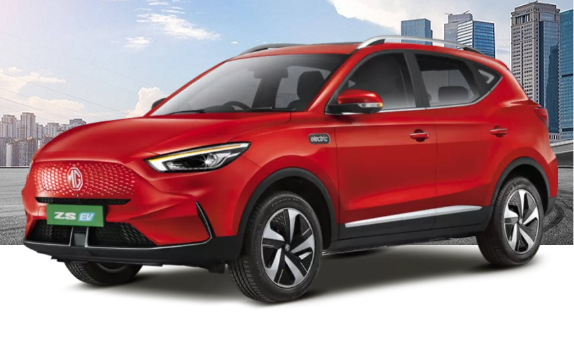
The MG ZS EV brings Level 2 ADAS technology into the electric SUV segment. The real question, however, is not how many features the car offers. It is whether they make a meaningful difference when you are driving through everyday Indian traffic.
Let’s look at five things that matter.
Adaptive Cruise Control: A welcome break on long drives
Long-distance driving can be tiring, and it is not always the distance that wears you down. It is the constant cycle of accelerating, braking and adjusting your speed to match the traffic around you.
Adaptive Cruise Control (ACC) is designed to take some of that repetitive work off the driver’s hands. It helps maintain a chosen speed and adjusts it to keep a gap from the vehicle ahead.
On an open expressway, that can be genuinely useful. You spend less time making small adjustments to the accelerator and can focus more comfortably on the road ahead.
But take the same car into busy highway traffic and things get complicated. A truck may suddenly move into your lane. A motorcycle might squeeze into a narrow gap. Someone ahead could brake hard without giving much warning .
The system can react to what its sensors detect, but it cannot anticipate every unexpected move.
That does not make adaptive cruise control pointless. It simply means that you need to use it when conditions are suitable and be ready to take over whenever necessary. In dense, unpredictable traffic, many drivers may find that controlling the car themselves feels more natural.
Lane Keep Assist: Indian roads do not always make it easy
Lane Keep Assist sounds like a simple idea. The car detects lane markings and helps you stay within them if it senses that you are drifting unintentionally.
On a well-marked expressway, this can be reassuring, particularly during a long drive when fatigue begins to set in.
The trouble is that not every Indian road offers such clear guidance. Lane markings can be faded, construction work can change the road layout overnight, and temporary diversions may leave drivers guessing where they should be. Add a few vehicles occupying more than one lane, and the situation becomes even harder to interpret.
The MG ZS EV’s lane-assistance features are designed to provide support under suitable conditions. They are not a promise that the car will always stay centred or make every steering decision correctly.
This is an important point for anyone considering an MG car with ADAS. The technology may be useful on one stretch of road and less helpful on another. That is not necessarily a flaw; it reflects the limits of what the system can detect.
During a test drive, pay attention to how the system behaves on clearly marked roads. More importantly, understand when it may struggle or disengage. Knowing those limits is part of using the feature properly.
Traffic Jam Assist and Emergency Braking: Helpful, but not foolproof
Ask anyone who regularly drives in Indian cities or on crowded highways, and they will probably tell you that slow-moving traffic can be more exhausting than a long, uninterrupted journey.
Traffic Jam Assist is intended to make some of that stop-and-go driving easier. Working with compatible assistance systems, it can help manage speed and following distance in certain low-speed conditions.
Then there is Automatic Emergency Braking (AEB). If the system detects a potential collision within its operating limits, it may warn the driver and apply braking assistance or intervene with braking.
Both features have a clear purpose. They can offer an additional layer of support when the situation becomes demanding.
But Indian traffic brings its own complications. Two-wheelers can appear from unexpected angles, pedestrians may cross between vehicles, and drivers sometimes change direction with very little warning. They may help in certain situations, but they cannot replace attentive driving, sensible following distances or the habit of watching what is happening several vehicles ahead.
Think of them as an extra pair of eyes that can sometimes help—not as someone else taking responsibility for the drive.
Is the MG ZS EV’s ADAS worth paying attention to?
The answer depends on where and how you drive.
If your regular routine includes long journeys on well-maintained expressways, adaptive cruise control and lane assistance could make those trips more comfortable. If most of your driving involves congested streets, unpredictable traffic and frequent lane changes, you may find fewer opportunities to use them.
That does not mean the features have no value. It means their usefulness should be judged against your actual driving habits rather than the number of items listed in a brochure.
Buyers should also check the variant carefully. The MG ZS EV’s official specifications list Level 2 ADAS features—including Adaptive Cruise Control, Traffic Jam Assist, Lane Keep Assist and Automatic Emergency Braking—on the Essence variant. Equipment can change, so it is worth confirming the latest specification with an authorised dealer before making a decision.
Price matters, too. The MG ZS EV on road price varies depending on the city, variant, insurance and registration charges. Published estimates for Kolkata have placed it at approximately ₹19.08 lakh to ₹22.10 lakh, but these figures should be treated as indicative rather than a current dealer quotation. Check the latest pricing and variant details before booking.
When comparing MG cars in India, look at the whole package: driving comfort, range, charging access, safety equipment and ownership costs. ADAS should be one consideration, not the only reason to choose a vehicle.
And if you can, take a proper test drive. Ask the dealer to demonstrate each feature, explain its limitations and show you when the driver needs to intervene. Those details will tell you more than a long list of technical terms ever could.
The bigger challenge: Making technology work for real people
There is a wider lesson here for the automotive industry. Adding technology to a car is one thing. Helping people understand it, trust it and use it correctly is another.
For MG Motor India, the ZS EV reflects the growing role of technology in the electric-car experience. But sophisticated features only become meaningful when drivers know what they can do—and, just as importantly, what they cannot.
This matters as electric vehicles in India become more familiar to buyers. People are looking beyond battery range and charging times. They also want to know whether the car feels safe, whether its technology is genuinely useful and whether it fits into their everyday lives.
The best automotive technology is not necessarily the technology that attracts the most attention in a showroom. It is the technology that quietly makes a journey easier without asking the driver to place more trust in it than it deserves.
That requires clear communication from manufacturers, realistic demonstrations and an honest explanation of system limitations. It also means resisting the temptation to make driver assistance sound like self-driving capability.
After all, a driver who understands the system is more likely to use it appropriately than someone who assumes the car can handle everything.
Final verdict: Useful assistance, not a hands-free highway experience
So, is the MG ZS EV’s ADAS suite usable on chaotic Indian highways?
Yes, but its usefulness depends on the road, the traffic and the driver’s understanding of its limits.
Adaptive cruise control can make open-road driving less tiring. Lane assistance can offer support when markings are clear. Emergency braking may help in certain situations where a collision risk is detected. These are meaningful benefits, even if they do not work perfectly in every circumstance.
The important thing is to keep expectations realistic. Indian roads are full of situations that demand judgement, anticipation and quick decisions. ADAS can assist with parts of the driving task, but it cannot take over that responsibility.
For anyone considering the MG ZS EV, the smartest approach is to test the features, understand the conditions in which they work and decide whether they suit your daily routes.
Technology does not have to solve every problem on Indian roads to be worthwhile. Sometimes, making a long drive a little less tiring or adding another layer of support is valuable enough—as long as the person behind the wheel remains firmly in control.