How AI Audio Tools Help Designers Create Better Music for Typography-Based Videos
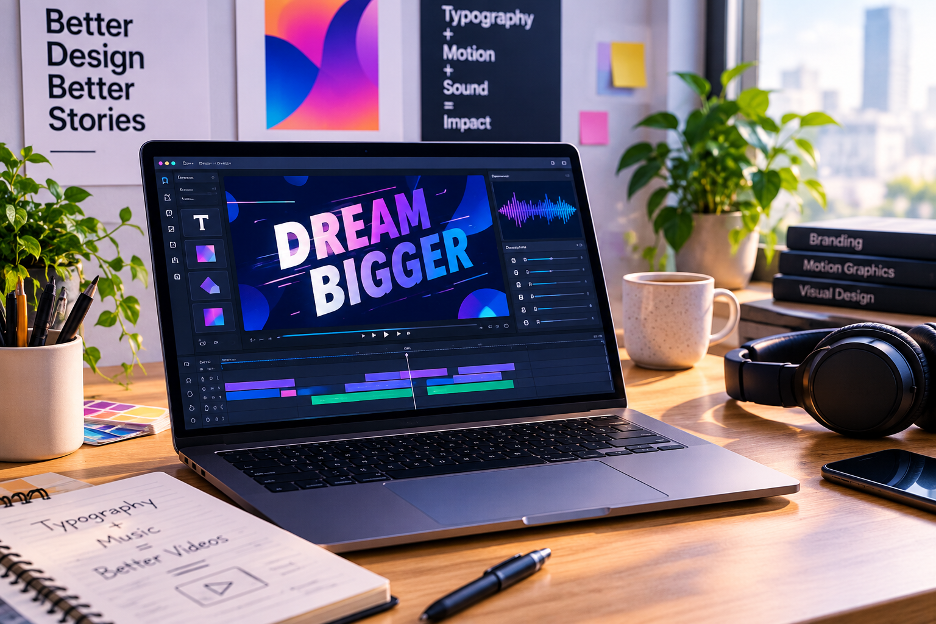
Typography is no longer limited to static text on websites, posters, and printed materials. Animated lettering, kinetic typography, and motion graphics have become popular ways to communicate messages across social media, digital advertising, and online presentations. When combined with suitable background music, these visual elements can create a more engaging experience.
However, choosing the right soundtrack can be challenging. A track may have the perfect rhythm and instrumental arrangement but contain vocals that compete with the message on screen. AI-powered audio tools are offering designers another way to prepare music that better complements their visual projects.
Why Music Matters in Typography-Based Design
Typography-based videos use animated words, fonts, colours, and transitions to communicate information. They are often used for brand announcements, promotional videos, educational content, and social media campaigns.
Music helps establish the atmosphere of these projects. A calm instrumental track may suit an elegant typography animation, while a faster rhythm can make bold lettering and quick transitions feel more energetic.
Vocals, however, can sometimes distract from the text itself. When viewers are expected to read important information, spoken or sung words in the background may compete for their attention.
This is why instrumental music can be a useful choice for motion designers. It provides rhythm and atmosphere while allowing the typography to remain the main focus.
Turning Existing Songs Into Instrumental Tracks
Finding the right instrumental version of an existing song is not always straightforward. Official instrumental releases may not be available, and traditional audio-editing software can require experience with mixing, equalisation, and sound processing.
AI-based vocal separation provides an alternative. These tools analyse an audio recording and attempt to separate vocal elements from the accompanying instruments.
InsMelo offers an online vocal remover designed to simplify this process. Users can upload a compatible audio track and use AI processing to separate the vocals from the instrumental component.
The resulting instrumental can then be considered for projects such as animated typography, presentation backgrounds, and creative video concepts. Separation quality may vary depending on the original recording, so designers should listen to the processed audio before including it in a finished project.
Creating Music That Matches a Visual Identity
A successful design project needs consistency across its visual and audio elements. The choice of font, colour palette, animation speed, and soundtrack should all support the same creative direction.
For example, a luxury brand might use refined typography with slow transitions and subtle instrumental music. A technology campaign may benefit from modern lettering, faster animation, and electronic sounds.
InsMelo also provides an AI music maker that allows users to explore AI-assisted music creation. This can be useful when an existing soundtrack does not match the desired mood or when a project needs a different musical direction.
Designers can experiment with musical ideas and consider how they work alongside the movement and visual structure of their typography.
Practical Uses for Designers and Content Creators
AI-assisted audio preparation can support several types of visual projects:
- Animated brand announcements: Instrumental backgrounds can complement moving logos and promotional text.
- Social media graphics: Short typography videos can use music to establish a consistent mood.
- Educational animations: Background instrumentals can support information-led videos without competing with on-screen explanations.
- Presentation videos: Carefully selected music can make animated headings and transitions feel more polished.
- Motion graphics portfolios: Designers can explore different soundtracks to demonstrate how typography and audio work together.
These applications can be especially useful for independent designers and small creative teams that need to produce digital content efficiently.
Choosing Audio Responsibly
Although AI tools can simplify audio preparation, designers should still consider copyright and licensing before using existing songs. Removing vocals does not automatically provide permission to reuse copyrighted music in commercial projects.
It is also important to review the terms of any AI music platform and check whether the resulting audio can be used for the intended purpose.
Bringing Typography and Audio Together
Typography-based videos demonstrate how visual communication can become more engaging when supported by suitable sound. AI-powered audio tools make it easier to explore instrumental tracks, separate vocals, and develop new musical ideas for different design styles.
For designers, the benefit is greater flexibility when matching sound with visual identity. With thoughtful music selection and careful attention to licensing, platforms such as InsMelo can become useful additions to a broader creative workflow.