How to Choose the Right Electric Dirt Bike or Electric Motorcycle for Your Riding Needs
Electric motorcycles and electric dirt bikes are becoming increasingly popular among riders who want modern performance, convenient charging, and a different riding experience from traditional petrol-powered vehicles. Advances in battery technology, electric motors, and vehicle design have made electric two-wheelers suitable for various purposes, from daily commuting to off-road adventures. Whether you are an experienced rider or a beginner exploring electric mobility, understanding the available options can help you make a more informed decision.
Choosing the right model depends on several factors, including your riding style, budget, battery range, motor performance, terrain, and maintenance expectations. Some riders need a reliable vehicle for everyday transportation, while others want an exciting machine for trails and outdoor recreation. Understanding these differences is the first step toward finding an electric bike that suits your lifestyle.
Understanding the Difference Between Electric Dirt Bikes and Electric Motorcycles
Although electric dirt bikes and electric motorcycles share similar technology, they are designed for different riding environments. Understanding their intended uses can help you avoid choosing a vehicle that does not meet your needs.
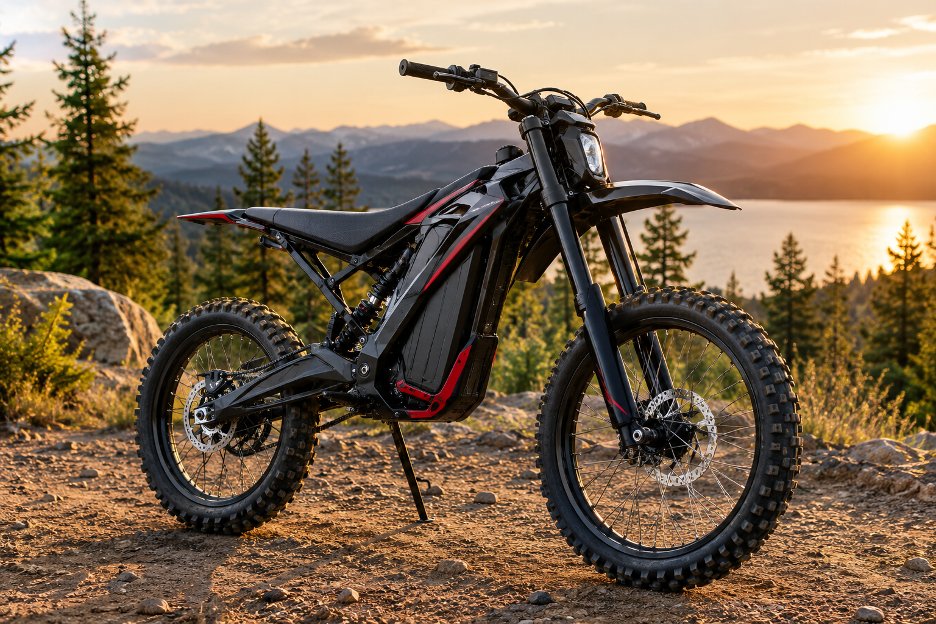
Electric dirt bikes are primarily built for off-road riding. They often feature knobby tires, long-travel suspension, lightweight frames, and ground clearance designed to handle uneven terrain. These characteristics make them suitable for dirt trails, designated riding areas, and certain recreational environments.
Electric motorcycles, on the other hand, can be designed for city streets, highways, or mixed riding conditions. Street-oriented models generally include road-approved tires, lighting systems, mirrors, and other equipment required for legal road use. Their range of designs makes them attractive to commuters and recreational riders alike.
Before purchasing either type, consider where you will ride most frequently. A dirt bike designed for trails may not be legal for public-road use, while a street motorcycle might not offer the suspension or durability required for demanding off-road conditions.
What to Consider When Buying an Electric Dirt Bike Adult Model
Adult riders often need more power, a suitable frame size, and suspension capable of supporting their weight and riding style. Choosing an electric dirt bike adult model involves evaluating several technical and practical features rather than focusing exclusively on appearance or advertised top speed.
Motor Power and Riding Performance
Motor power affects acceleration, hill-climbing ability, and overall performance. Riders who mainly explore relatively flat trails may not need the same power output as those who regularly navigate steep inclines or challenging terrain.
Electric motors can deliver torque quickly, allowing many models to accelerate smoothly from a standstill. However, actual performance depends on motor ratings, battery output, controller settings, rider weight, and terrain.
When comparing models, check both the rated motor power and any advertised peak power. Peak power is not necessarily available continuously, so understanding the manufacturer’s specifications provides a more realistic picture of performance.
Beginners should also consider adjustable riding modes. Lower-power settings can make learning easier, while more experienced riders may appreciate stronger acceleration when riding in suitable conditions.
Battery Capacity and Riding Range
Battery capacity is one of the most important factors when choosing an electric dirt bike. It is commonly measured in kilowatt-hours (kWh) or watt-hours (Wh). In general, a larger battery can store more energy, although the actual riding range also depends on efficiency and operating conditions.
Manufacturers may advertise impressive maximum ranges, but these figures can reflect ideal testing conditions. Aggressive acceleration, steep hills, soft dirt, cold temperatures, and heavier riders can all reduce the distance available from a single charge.
Think about your typical riding sessions before selecting a battery. Short recreational rides may require less capacity than extended trail adventures. It is also useful to check the charging time, battery replacement cost, and whether the battery can be removed for convenient indoor charging.
Frame Size, Suspension, and Comfort
A comfortable riding position improves control and reduces fatigue. Adult riders should examine seat height, handlebar position, footpeg placement, suspension travel, and overall vehicle weight.
The correct seat height allows the rider to maintain better balance when stopping or navigating difficult sections. However, seat height should be considered alongside suspension compression, riding experience, and the type of terrain involved.
Quality suspension helps absorb bumps, rocks, and uneven surfaces. Adjustable suspension can be particularly useful for riders who need to accommodate different body weights or riding preferences.
Before buying, review the manufacturer’s rider-weight recommendations and sizing information. If possible, test the bike in a safe, permitted environment to determine whether its ergonomics suit your body and riding ability.
Finding an Electric Motorcycle for Sale
Searching for an electric motorcycle for sale can reveal many options with different performance levels, battery capacities, and intended uses. Comparing several models before making a purchase helps you understand what you are paying for and whether a particular motorcycle offers good long-term value.
Establish a Realistic Budget
The purchase price is only one part of the total cost of ownership. You should also consider charging equipment, protective gear, replacement tires, brake components, battery maintenance, insurance where applicable, and registration requirements.
Entry-level electric motorcycles may offer an affordable way to begin riding, but lower-priced models can have limitations in range, power, component quality, or warranty coverage. Premium models may provide better suspension, stronger motors, larger batteries, and more advanced electronics.
Set a budget that includes the essential accessories and ongoing expenses. Spending slightly more on a well-supported model may provide better value than purchasing a vehicle with limited parts availability or an unclear warranty.
Compare New and Used Motorcycles
New electric motorcycles generally provide access to manufacturer warranties, documented specifications, and a known battery history. Buyers may also have access to authorized servicing and replacement parts.
Used models can be less expensive, but they require additional checks. Battery condition is especially important because battery degradation can reduce range and eventually lead to replacement expenses. Ask about the bike’s age, charging history, service records, and any previous damage.
Inspect the frame, brakes, suspension, tires, charging port, wiring, and display. If possible, request a diagnostic report or battery health assessment from a qualified technician. Avoid purchasing a vehicle with unexplained electrical faults or a battery showing signs of damage.
Verify Road Legality and Seller Reliability
Not every electric motorcycle can legally be ridden on public roads. Requirements may depend on the vehicle’s classification, maximum power, speed, safety equipment, registration, licensing, and local regulations.
Before completing a purchase, verify that the specific model meets the requirements in your jurisdiction. Do not assume that a motorcycle described as road-ready by a seller is automatically legal everywhere.
Buy from a reputable dealer or seller who provides clear specifications, written warranty terms, and reliable after-sales support. Confirm what the warranty covers, particularly for the battery, motor, controller, and charging system.
Electric Dirt Bikes vs. Electric Motorcycles: Which Is Better?
The better choice depends on your intended use rather than a single performance specification.
An electric dirt bike is generally more suitable for riders who prioritize off-road handling, trail exploration, and recreational riding. Its tires, suspension, and frame geometry are designed to handle terrain that would be difficult for many street motorcycles.
An electric motorcycle may be more appropriate for riders who want everyday transportation, predictable handling on paved roads, and practical commuting features. Depending on the model, it may also offer a more comfortable seat, road-oriented suspension, and equipment for regular urban use.
Some electric two-wheelers are designed for mixed environments, but buyers should still examine their limitations. A dual-sport or off-road-capable street motorcycle may provide flexibility, provided it has the necessary equipment and legal approval.
Consider making a simple list of your priorities. If road commuting is essential, focus on road legality, range, charging convenience, and comfort. If weekend trail riding is your main goal, prioritize suspension, ground clearance, tire design, and low-speed control.
Charging, Maintenance, and Long-Term Ownership
Electric two-wheelers generally have fewer moving drivetrain components than comparable petrol-powered motorcycles. They do not require engine oil changes, fuel filters, or traditional exhaust-system maintenance. Nevertheless, they still need regular care.
Inspect the brakes, tires, chain where fitted, suspension, fasteners, and electrical connections according to the manufacturer’s maintenance schedule. Keep the bike clean without directing high-pressure water at sensitive electrical components or connectors.
Battery care also matters. Follow the manufacturer’s recommendations for charging, storage, temperature limits, and long periods without use. Use compatible charging equipment, avoid charging a damaged battery, and follow the specified safety precautions.
Charging convenience should be part of your buying decision. Riders with access to a suitable home charging point may find electric ownership straightforward. Others may need to plan around charging availability and the time required to restore the battery.
It is also worth researching replacement battery prices and local service availability before purchasing. A model with a good warranty and accessible spare parts can be easier to own over several years.
Safety Gear and Responsible Riding
Safety should remain a priority regardless of the vehicle’s power or price. Electric motorcycles can accelerate quickly, and their relatively quiet operation may make them less noticeable to pedestrians and other road users.
Wear a properly fitted helmet appropriate for your riding environment. Off-road riders should also consider goggles, gloves, protective boots, knee protection, and suitable body armor. Street riders should select protective clothing designed for road use.
Beginners should practice braking, turning, throttle control, and emergency stops in a safe, controlled area. Start with conservative power settings when available, and increase difficulty only as your skills improve.
For off-road riding, use authorized trails and respect local access rules. Avoid environmentally sensitive areas and never assume that a public footpath or protected natural area permits motorized riding. Riders should also understand local age restrictions, licensing requirements, and rules concerning passengers.
Final Thoughts
Electric dirt bikes and electric motorcycles offer different advantages, making it important to match the vehicle to your intended riding experience. Off-road enthusiasts may prefer a durable dirt bike with suitable suspension, strong torque, and a battery that supports their typical trail sessions. Commuters may benefit more from a road-approved electric motorcycle with practical range, comfortable ergonomics, and convenient charging.
When evaluating an electric dirt bike adult model, pay attention to rider fit, power delivery, battery capacity, and terrain suitability. When comparing an electric motorcycle for sale, examine the total cost, warranty, battery condition, seller reputation, and road-registration requirements.
Ultimately, the best purchase is not necessarily the fastest or most expensive model. It is the one that meets your riding needs, fits your budget, offers dependable support, and provides the right balance of performance, safety, and convenience. Taking the time to compare specifications and verify the details before buying can help you enjoy electric riding with greater confidence.