What to Consider When Selecting Basketball Shoes?
Picking good basketball shoes isn’t just about showing up in clean kicks that look flashy on court. Hooping means constantly jumping, slamming the brakes, sliding on defense, and cutting hard, so your shoes have to handle all that punishment. The right pair gives you solid floor grip, impact protection, a locked-in fit, and support that actually matches your play style. Things like your position, where you play, wide feet, and how often you hoop are really important. The American Academy of Orthopaedic Surgeons says players should wear snug basketball shoes with non-skid soles because regular sneakers just don’t cut it.
Why Are Basketball Shoes Important?
Basketball shoes are built specifically around how you move during a game. Running sneakers are made for moving forward, but hoop shoes are built to handle hard sideways cuts, fast stops, jumping, and landing hard on hardwood or blacktop.
Court control is everything. Good traction grips the floor so you don’t slide around when you try to stay in front of a quick guard or stop on a dime for a pull-up jumper. Slipping around on a dusty court ruins your drive, makes you lose confidence in your footwork, and leads to rolled ankles. You’re never just moving in a straight line out there, so you need shoes that move the way you do.
Support is another factor. Cushioning also deserves attention. Every jump and landing puts repeated load through your feet and legs. A well-cushioned basketball shoe can make those movements feel more controlled and comfortable, particularly during longer practices or games.
There’s also the fit. A shoe that’s too loose can allow unwanted foot movement inside the shoe. Too tight, and you may end up with pressure points or discomfort.
A simple practical check is to try basketball shoes while wearing the socks you’d actually use for playing. Walk, jog, stop, and make a few lateral movements. If your heel lifts noticeably or your toes feel compressed, don’t assume the shoe will “break in” enough to fix a poor fit.
Understand the Different Types of Basketball Shoes
Basketball shoes are commonly grouped into low-top, mid-top, and high-top designs. The best option depends more on your movement style and comfort preference than on a simple position-based rule.
Low-top basketball shoes
Low-tops sit well below the ankle collar, cutting down overall shoe weight so guards can push the pace and explode out of quick cuts without feeling weighed down by heavy material. Guards and players who spend a lot of time changing direction may prefer this style.
The trade-off is that there’s less material around the ankle compared with higher-cut designs.
Mid-Top Basketball Shoes
Mid-tops sit right in the sweet spot. They wrap just high enough around your ankle to give you some extra reassurance without feeling like you’re wearing heavy ski boots on the court. If you play casual runs and want a nice mix of free ankle movement and decent support, mid-tops are a super safe bet.
High-Top Basketball Shoes
High-tops sit way higher up your leg and feel super locked in. Several men and heavy players love that extra strapped-in feeling, especially when banging down low in the paint against bigger guys. But look, don’t think a high collar magically stops ankle sprains by itself. If your technique is sloppy or your sole slips out from under you, high tops won’t save you.
Don’t forget to think about where you play most, too. Blacktop outdoor courts chew through soft rubber outsoles like crazy, leaving you with smooth, useless soles after just a few weeks of summer hooping. Save the sticky, thin-soled kicks for clean hardwood indoors where you need insane court grip and snappy cushioning.
Features to Look for in Basketball Shoes
The best basketball shoes aren’t the ones with a million fancy tech features stacked on top of each other. You just want stuff that solves real problems on the court.
1. Traction
Start right at the bottom with the outsole. Grab shoes with thick rubber and deep patterns, like classic herringbone, so you actually grip when making hard lateral cuts or sudden stops. Playing on dusty indoor courts is a total nightmare in bad shoes. You end up sliding around like you’re on ice, constantly wiping your soles, and losing your drive past defenders.
2. Cushioning
Padding changes everything when you jump, sprint, and land hard. Big guys who jump constantly to grab rebounds usually need thick foam underfoot, while quick point guards usually hate that stuff because it feels laggy and soft. They want a firm, low-to-the-ground setup to feel the floor and push off fast. There’s no single best option here, so pick what keeps your joints from throbbing after two hours of pickup.
3. Fit and lockdown
Your foot should feel secure without being squeezed. Pay particular attention to the heel. It should remain comfortably locked in place when you accelerate or change direction.
Here’s a useful fitting test: lace the shoes as you would for a game, stand up, and make several quick side-to-side movements. If your foot slides inside the shoe, try another size or shape.
4. Ankle support
Don’t choose a shoe solely because it’s high-top. What matters is how the entire shoe holds your foot during movement.
A stiff heel cup, tough upper materials, and a wide sole keep your feet locked down when you’re moving fast. Even the American Academy of Orthopaedic Surgeons says to grab hoop shoes that fit tight, hold your foot still, and stick to the floor.
There’s nothing worse than your heel slipping inside your shoe right as you plant your foot to make a hard cut or jump for a rebound, because that’s usually when your ankle rolls and you end up sitting out for three weeks. Getting a pair that actually locks your foot down keeps you safe on court and stops those painful toe jams on hard stops.
5. Weight and flexibility
A heavy shoe isn’t automatically more supportive, and an extremely light shoe isn’t automatically better.
Think about how you play. A fast, perimeter-oriented player may appreciate a lighter, flexible design, while another player may prefer a more substantial feel underfoot.
6. Indoor or outdoor construction
Check where you’ll actually play before buying. If you regularly move between indoor and outdoor courts, consider whether one pair can realistically handle both environments.
Also inspect the outsole periodically. Worn tread can affect traction, particularly when you’re making quick lateral movements.
7. Durability
If you’re training several times a week, durability becomes part of the value equation. Look at the outsole, toe area, and upper construction. Outdoor courts can be especially demanding on footwear.
One practical habit is to inspect your shoes after every few weeks of regular play. Uneven outsole wear, compressed cushioning, or a loose upper can tell you more about whether a shoe is still performing than its appearance alone.
Final Words
Finding the right basketball kicks really comes down to buying for how you actually hoop, where you play, and what feels good on your feet. Stick to sticky grip, a tight fit that locks your heel down, decent impact padding, and a tough build that won’t fall apart after a month of heavy runs. Don’t choose a pair only because it looks good or because another player recommends it. What works for a quick guard may feel very different for a forward who spends more time jumping and battling for position.
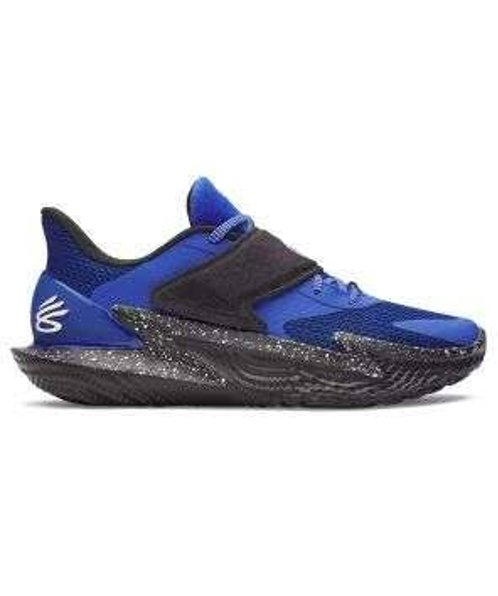
For players looking for performance-focused footwear, Under Armour brings its experience in athletic performance and technical sportswear to basketball footwear. Their basketball line is built for players who need reliable floor grip, good padding, solid ankle support, and a lockdown fit on court. Look, buying new kicks won’t magically give you a forty-inch vertical or turn you into an overnight superstar, but the right pair definitely stops you from slipping around when you make sharp cuts.