

Facial Hair Removal Guide: Methods, Tips, and Results
Facial hair removal is not one-size-fits-all. Fine peach fuzz, coarse chin hair, upper lip growth, and sideburn hair often respond differently to the same method. Shaving is fast and simple, waxing and threading remove hair from the root, and light-based devices aim to reduce regrowth over time with consistent use. Choosing well starts with three factors: your hair type, your skin’s reactivity, and how much maintenance you are willing to do. Good technique also matters. Proper prep, careful tool use, and basic aftercare can reduce irritation and help skin stay calm. Understanding these basics makes it easier to build a routine that fits your goals and delivers smoother, more predictable results.
How to Choose the Right Facial Hair Removal Method
Matching Hair Type, Skin Sensitivity, and Personal Needs
Choose your method based on the area, hair texture, and how your skin typically reacts. Fine facial fuzz often responds well to dermaplaning-style tools or gentle shaving, while coarse or isolated hairs may be easier to manage with tweezing, threading, or waxing. If your skin becomes red easily, avoid aggressive friction and test any method on a small area first. If you want the quickest upkeep, shaving works well. If you want longer gaps between sessions, root-removal methods usually last longer. For people focused on gradual reduction, at-home light-based options can fit a regular routine, especially when used consistently over several weeks.
Using Facial Hair Removal Tools Safely and Effectively
Safe use starts with clean skin and clean tools. Remove makeup, oil, and sunscreen before facial hair removal so the tool can glide properly and the area stays hygienic. Use light pressure rather than repeated scraping or pressing, especially on the upper lip, cheeks, and jawline. Stretch the skin gently when shaving, threading, or using precision tools to improve control. Follow the device instructions for timing, angle, and treatment frequency. Do not use facial hair removal tools over irritated skin, open blemishes, sunburn, or broken areas. After use, clean the tool according to its care guidance to reduce buildup, maintain performance, and support safer repeat use.
Tips for Better Facial Hair Removal Results
Preparation and Aftercare Steps for Smoother Skin
Preparation has a direct effect on comfort and finish. Start with freshly cleansed skin, then pat it fully dry unless your method specifically calls for moisture or gel. Avoid exfoliating acids, retinoids, or strong scrubs right before facial hair removal because they can increase sensitivity. During removal, work in small sections and avoid going over the same spot too many times. Afterward, cool the skin with a gentle, fragrance-free moisturizer or soothing serum to reduce temporary redness. Skip heavy makeup, hot water, intense workouts, and direct sun exposure for the rest of the day if your skin feels reactive. Simple aftercare helps maintain a smoother surface and calmer-looking skin.
How to Maintain Results and Avoid Common Mistakes
Better long-term results come from consistency, not overdoing it. Follow a schedule that matches your method instead of removing hair too often, which can trigger irritation, bumps, or sensitivity. Replace dull blades and worn attachments promptly because ineffective tools tug at hair and roughen the skin. Avoid using multiple removal methods on the same area in one session. That combination often causes more redness without improving the finish. If you use light-based treatment, keep sessions regular and shave the area as instructed rather than waxing between treatments. Track how quickly your facial hair regrows in each zone so you can adjust timing and maintain smoothness with less trial and error.
Facial Hair Removal Tools and Product Guide
Features to Look for in a Facial Hair Remover
A good facial hair remover should match the precision and sensitivity needs of facial skin. Look for a design made specifically for smaller areas such as the upper lip, chin, jawline, and cheeks. Ergonomic handling matters because better control reduces accidental irritation. If you prefer an electric or light-based option, check for adjustable settings, clear safety guidance, and a treatment window suited to facial use. Easy cleaning is another practical feature, especially for regular maintenance. For travel or quick touch-ups, portability and simple operation can make a difference. The best tool is not the most complex one; it is the one you can use comfortably, safely, and consistently.
Exploring At-Home Solutions Like Ulike Facial Hair Remover
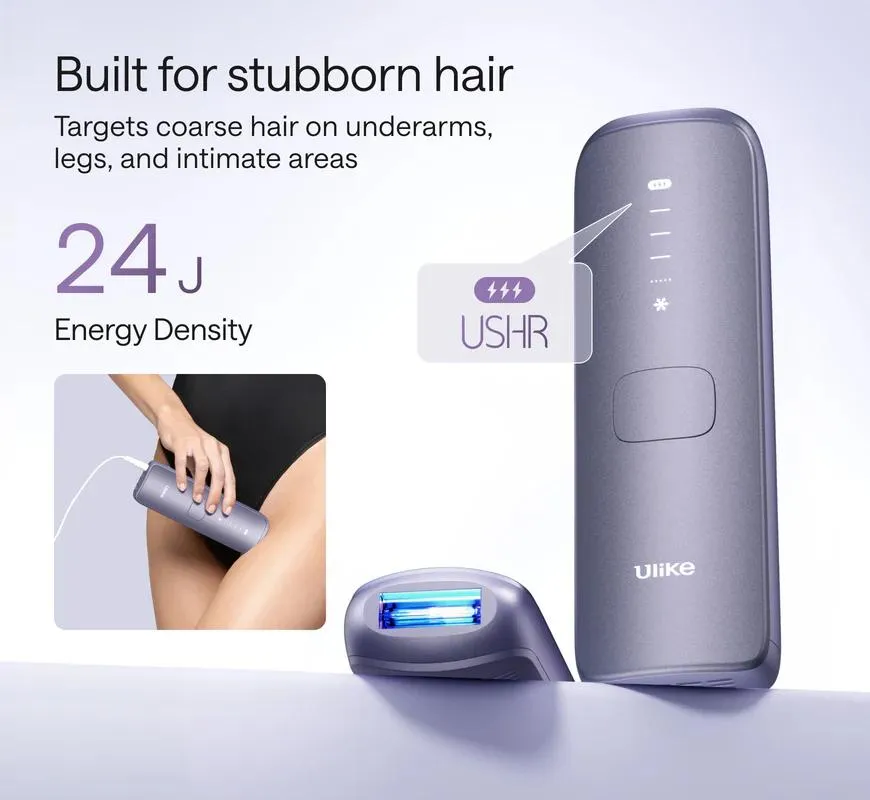
At-home solutions can be useful for people who want privacy, convenience, and a routine they can manage on their own schedule. Manual tools are best for fast touch-ups, while light-based devices are better suited for users who want gradual reduction in visible regrowth. A device like a Ulike facial hair remover may appeal to users looking for an at-home option that fits regular use rather than occasional emergency grooming. When considering this type of product, focus on whether it is intended for facial areas, how easy it is to operate, and whether the treatment plan is realistic for your lifestyle. Consistent use matters more than complicated features.

Conclusion
Facial hair removal works best when the method matches your hair type, skin sensitivity, and maintenance preference. Shaving offers speed, waxing and threading provide longer-lasting smoothness, and at-home light-based tools support gradual reduction with routine use. Strong results also depend on simple habits: start with clean skin, use the tool correctly, avoid over-treating one area, and follow with gentle aftercare. If you want a reliable routine, choose one approach you can use consistently instead of switching methods constantly. With the right technique and realistic expectations, facial hair removal can become a straightforward part of your skincare and grooming routine.