Why CO₂ Sensors Are Essential in HVAC Energy Optimization
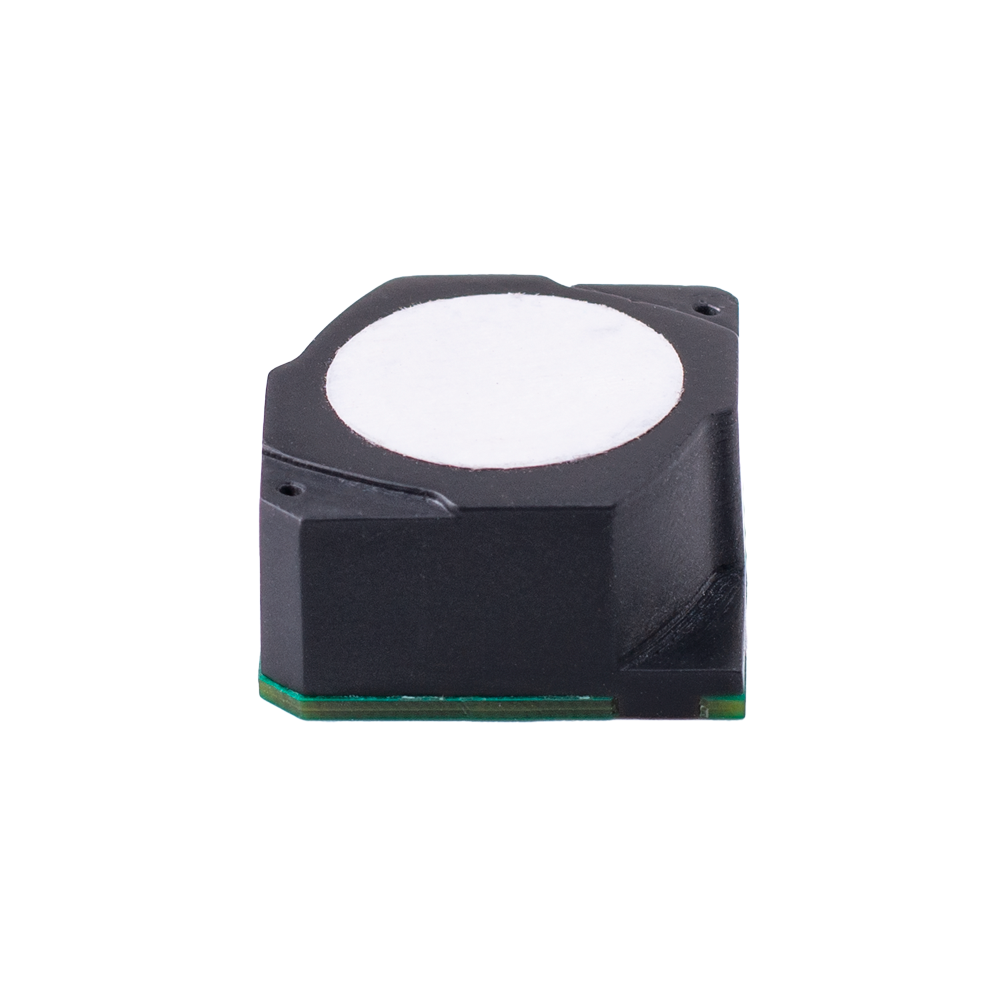
In modern buildings, energy efficiency and indoor air quality have become inseparable priorities. Heating, ventilation, and air conditioning (HVAC) systems are no longer designed simply to heat or cool a space—they now operate as intelligent, demand-driven networks that respond to real-time environmental conditions. One of the most important technologies enabling this shift is the carbon dioxide sensor, often paired with advanced detection tools such as the infrared gas sensor. These sensors play a pivotal role in ensuring HVAC systems deliver optimal performance while minimizing energy waste.
Because CO₂ levels are directly linked to occupancy and ventilation requirements, CO₂ sensors enable HVAC systems to adjust airflow automatically, improving comfort and reducing energy consumption. As buildings become smarter and sustainability goals more ambitious, CO₂ sensing technology has evolved into a fundamental component of efficient HVAC design.
1. Understanding the Relationship Between CO₂ Levels and HVAC Efficiency
Indoor CO₂ levels rise as human occupancy increases, especially in enclosed spaces with limited ventilation. Traditional HVAC systems often operate on fixed schedules or constant airflow settings, which can result in inefficiencies such as:
- Over-ventilation during periods of low occupancy (wasting energy)
- Under-ventilation during high occupancy (reducing air quality and comfort)
CO₂ sensors allow HVAC systems to “know” how many people are inside a room based on exhaled carbon dioxide concentrations. This feedback loop enables demand-controlled ventilation (DCV)—a strategy that adjusts airflow dynamically based on real-time needs.
The result is a more balanced and energy-conscious approach to indoor climate management.
2. Reduction of Energy Waste Through Demand-Controlled Ventilation
Ventilation is one of the largest contributors to HVAC energy usage, particularly in commercial buildings. Conditioning outdoor air—whether heating or cooling it—requires significant energy. Without sensors, buildings may ventilate far more than necessary simply to follow outdated code-minimum airflow settings.
CO₂ sensors provide accurate occupancy-based data to regulate ventilation rates. When CO₂ levels remain low, the system automatically reduces fresh air intake. When levels rise, more ventilation is provided.
This strategy leads to measurable benefits:
- Lower energy consumption due to fewer heating and cooling loads
- Less wear on HVAC equipment from reduced operational hours
- More consistent temperature control with balanced airflow
In many buildings, DCV can reduce ventilation-related energy costs by 20–40%, making CO₂ sensors a highly cost-effective addition.
3. Improved Indoor Air Quality for Occupants
While energy savings are important, indoor air quality (IAQ) remains a top priority for residential, commercial, and industrial environments. Elevated CO₂ levels can lead to:
- Headaches
- Fatigue
- Reduced concentration
- Poor cognitive performance
By constantly monitoring CO₂ concentrations, HVAC systems ensure that indoor air remains fresh and healthy. This is especially beneficial in:
- Classrooms
- Conference rooms
- Offices
- Gyms
- Multi-family buildings
Improved air quality correlates with higher productivity, better learning outcomes, and increased occupant satisfaction.
4. Integration with Smart Building Automation Systems
Modern buildings rely on integrated digital platforms to manage energy usage, lighting, security, and climate. CO₂ sensors are easily incorporated into these systems, enabling automated responses such as:
- Adjusting ventilation fan speeds
- Opening dampers
- Triggering air purification equipment
- Modifying system setpoints based on occupancy data
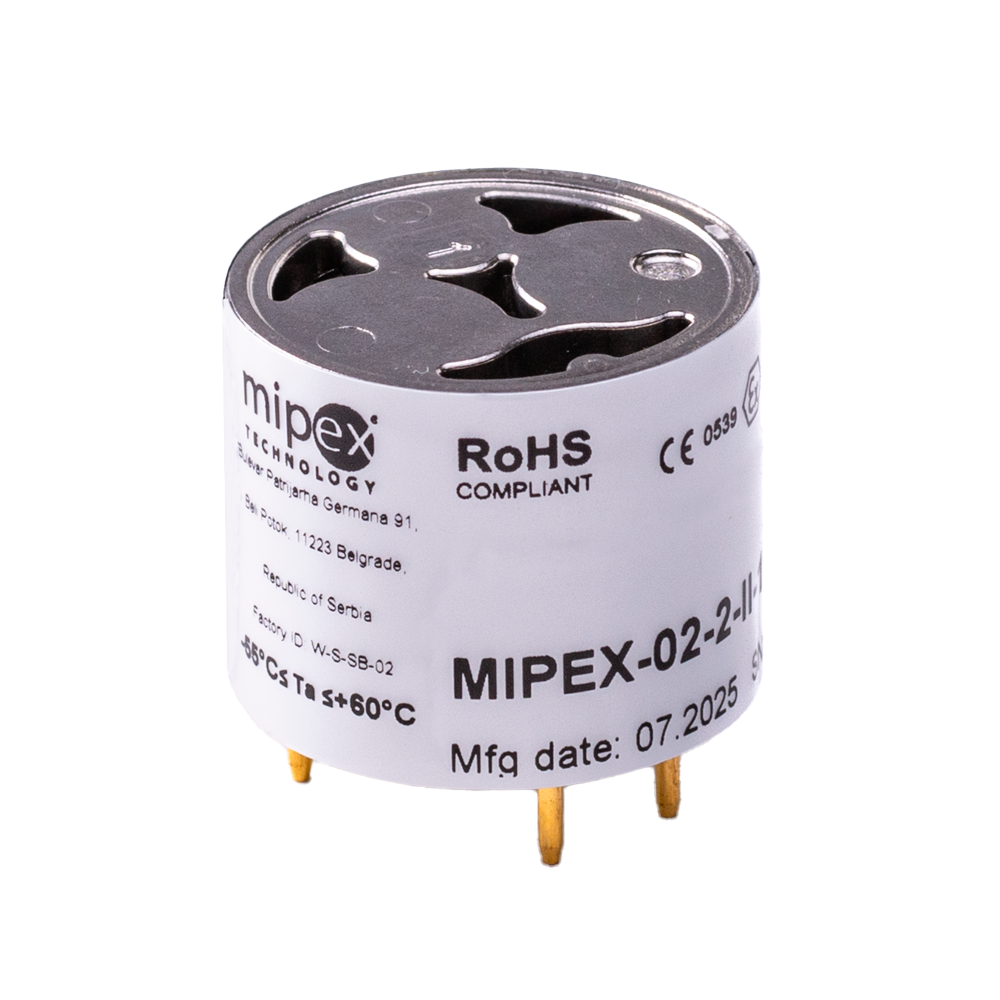
When paired with an infrared gas sensor, which offers stable, precise CO₂ detection, building automation systems can analyze environmental patterns, optimize ventilation schedules, and predict future energy demand.
This level of intelligence transforms HVAC from a reactive system into a proactive, self-regulating energy manager.
5. Compliance with Energy Codes and Green Building Standards
Energy efficiency regulations increasingly require or recommend demand-controlled ventilation. Certifications such as:
- LEED (Leadership in Energy and Environmental Design)
- WELL Building Standard
- ASHRAE 62.1 ventilation guidelines
often reward or mandate the use of CO₂-based ventilation control strategies.
By installing CO₂ sensors, building owners can:
- Meet modern building performance standards
- Reduce carbon emissions
- Qualify for sustainability credits
- Improve compliance with health and safety regulations
As governments push for lower energy consumption and better air quality, CO₂ sensing becomes not just beneficial—but essential.
6. Enhanced Comfort and Environmental Stability
One of the less obvious benefits of CO₂ sensors is their ability to maintain stable indoor environments. Without proper ventilation, temperature and humidity can fluctuate rapidly, especially in high-occupancy areas.
Demand-controlled ventilation helps maintain:
- Consistent temperatures
- Balanced humidity levels
- Comfortable airflow rates
This creates a more pleasant indoor environment while avoiding unnecessary energy use. Occupants often report noticing improvements in comfort after CO₂-based control strategies are implemented.
7. Long-Term Cost Savings for Building Owners
Although CO₂ sensors involve an upfront investment, the long-term savings can be substantial. Benefits include:
- Reduced energy bills
- Lower maintenance costs due to less HVAC strain
- Longer lifespan for fans, motors, and compressors
- Increased operating efficiency of air handling units
Many building owners recover their investment within a few years through energy savings alone. When improved air quality and occupant satisfaction are factored in, the return on investment becomes even more compelling.
Conclusion
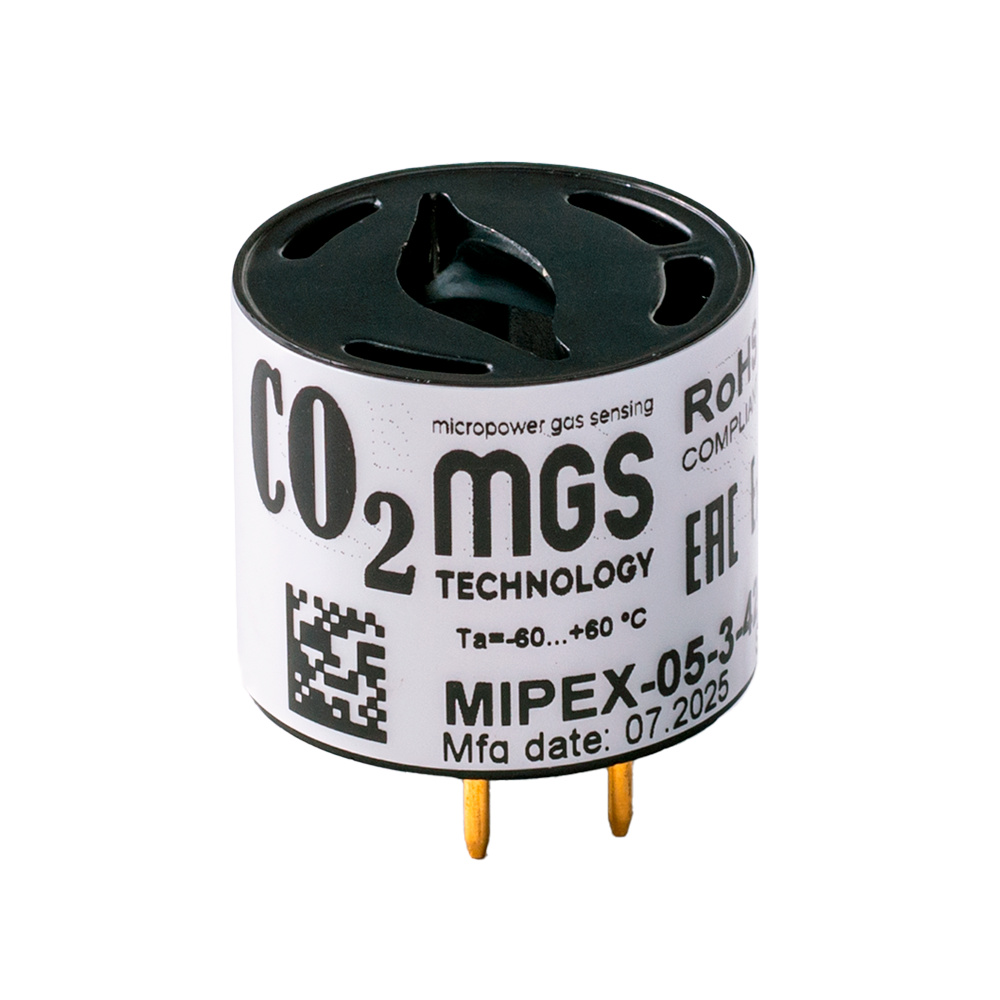
CO₂ sensors have become indispensable tools for modern HVAC energy optimization. By providing real-time data on occupancy and ventilation needs, they enable smarter airflow management, reduced energy consumption, and improved indoor air quality. Technologies like the carbon dioxide sensor and infrared gas sensor deliver the accuracy and reliability necessary for today’s intelligent building systems.
As energy efficiency targets grow more ambitious and buildings become increasingly automated, CO₂ sensor integration will continue to shape the future of HVAC performance. Whether the goal is sustainability, cost savings, or a healthier indoor environment, CO₂ monitoring remains a cornerstone of smart, efficient, and responsible ventilation design.