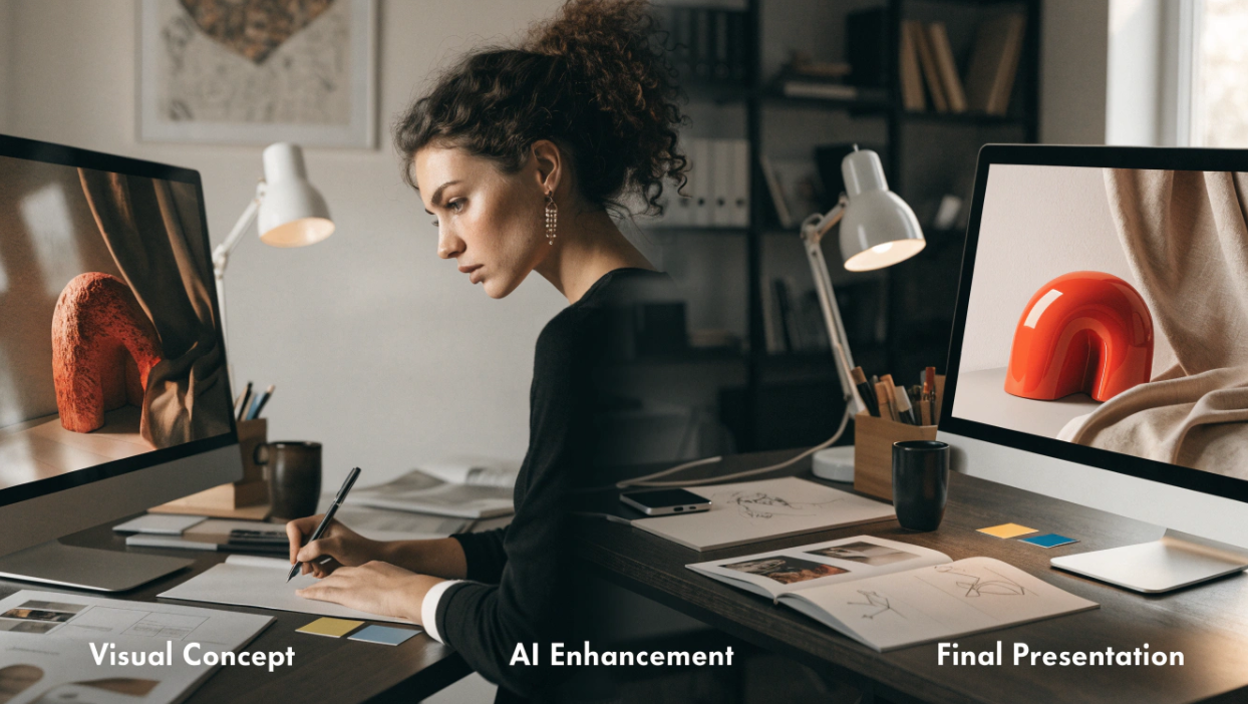
Free AI Image Editor for Designers: From Visual Ideas to Finished Images
Designers spend a surprising amount of their time on tasks that have nothing to do with actual creative decisions. Cleaning up a background, adjusting lighting, correcting color inconsistencies, or preparing a rough concept image for a client presentation all take time away from the part of the job that actually requires design thinking. A Free AI Image Editor for Designers changes that balance by handling much of the technical execution automatically, letting a designer focus more on the idea itself and less on the manual work of getting there.
The Gap Between an Idea and a Finished Image
Most design work starts with a rough concept. A mood board image, a quick mockup, or a reference photo captures the general direction, but turning that rough starting point into something polished enough to present or publish usually requires additional editing steps. Backgrounds need cleaning up. Lighting needs adjusting to match the intended mood. Colors need correcting so the final image feels intentional rather than accidental.
For designers working on tight deadlines or juggling multiple projects, this gap between an initial idea and a finished, presentable image can consume a disproportionate amount of total project time, especially when each adjustment requires switching between different tools or techniques.
How AI Editing Speeds Up the Middle of the Process
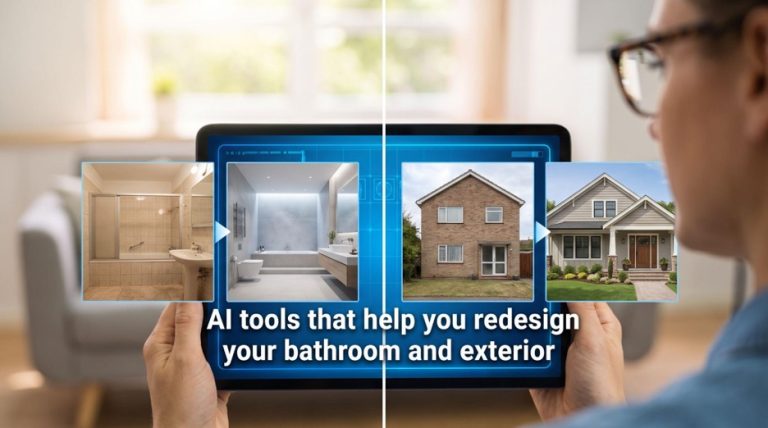
An AI-based image editor doesn’t replace the creative decision-making that defines good design work, but it significantly speeds up the execution that follows those decisions. Instead of manually adjusting a background pixel by pixel, a designer can describe the intended change and apply it directly to an existing image. Instead of manually correcting lighting or color balance through multiple editing steps, a single description can guide the tool toward the intended mood or tone.
This shifts a designer’s time away from repetitive technical execution and toward the parts of a project that actually benefit from human judgment, like composition, concept development, and overall visual direction.
Why No Sign Up Matters for a Designer’s Workflow
Creative work often happens in short, focused bursts, whether that’s testing an idea between meetings or making a quick adjustment before a client call. An AI image editor no sign up requirement removes a common point of friction from this kind of workflow, letting a designer test an idea immediately rather than pausing to create an account or configure a new tool before getting started.
This matters most during the early, exploratory stages of a project, when a designer might want to quickly test several visual directions before committing to one. Removing the signup step means that experimentation can happen the moment an idea comes to mind, rather than being delayed by account setup that interrupts the creative flow.
Where This Fits Into a Designer’s Actual Process
Most design projects move through a similar general arc, regardless of the specific field. A concept gets sketched or gathered as reference material. That concept gets refined into something closer to a finished direction. Feedback gets incorporated, often requiring several rounds of adjustment. A final version gets prepared for delivery, whether that’s a client, a team, or a published platform.
An AI-based editor tends to be most useful in the middle stages of this process, where a rough idea needs to be turned into something more polished before it’s ready for feedback or delivery. Rather than spending time on manual technical adjustments at each round of revision, a designer can apply changes quickly and move on to evaluating whether the result actually serves the project’s direction.
Practical Applications Across Design Disciplines
Graphic designers can quickly adjust mockups, backgrounds, or color schemes when preparing concepts for client review. UI and product designers can refine reference imagery used in presentations without needing separate photo editing software. Illustrators and concept artists can explore different moods or settings for a piece before committing to a final version. Marketing and brand designers can adapt a single visual asset into multiple styles or tones for different campaigns without recreating the image from scratch each time.
Across these different disciplines, the underlying benefit stays consistent. A designer gets to spend more of their time on decisions that actually shape the final outcome, rather than on the technical steps required to execute each one.
Keeping Creative Control While Moving Faster
One concern designers sometimes have with AI-based tools is a loss of control over the final result. In practice, this concern is addressed by treating the tool as an execution aid rather than a replacement for creative direction. A designer still decides what the final image should communicate, what mood it should carry, and what details matter most. The tool simply handles the technical work of getting there faster, based on the designer’s own description of the intended outcome.
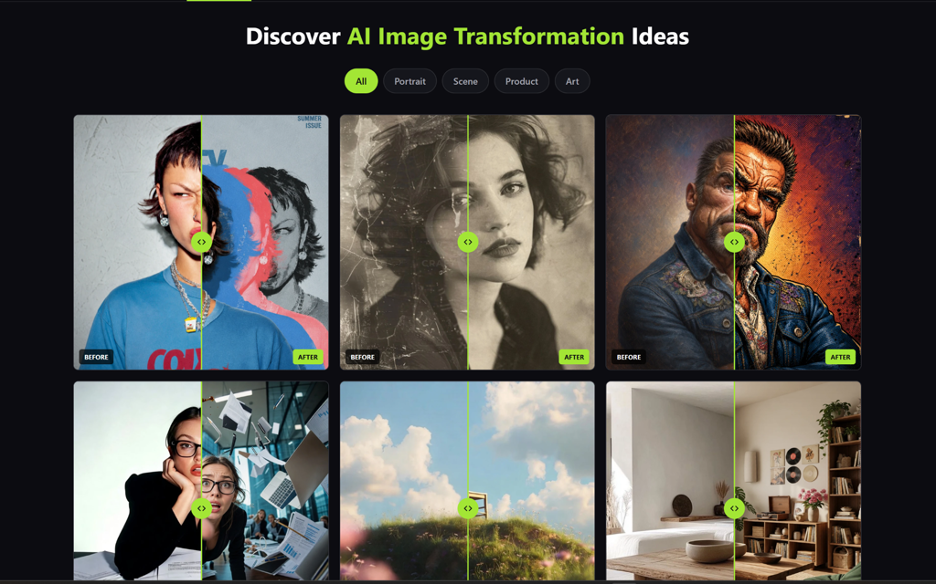
Reviewing results carefully and refining prompts when a first attempt doesn’t match the intended vision remains an important part of the process. Treating each generated result as a draft to evaluate, rather than an automatic final answer, tends to produce outcomes that still feel aligned with the designer’s original creative intent.
A Shift in How Design Time Gets Spent
The broader impact of tools like this isn’t just individual speed. It changes how design time gets allocated across a project. Less time spent on manual technical execution means more time available for concept development, client communication, and the kind of creative problem solving that actually differentiates strong design work from adequate design work.
This matters particularly for freelance designers and small studios, where a single person often handles both the creative and technical sides of a project without a larger team to divide the workload.
Common Pitfalls to Watch For
A few habits tend to separate designers who get consistently strong results from an AI-based editor from those who get inconsistent ones. Being vague in a description often leads to results that technically match the request but miss the intended mood or detail, so it helps to be specific about lighting, color, composition, or style rather than leaving too much open to interpretation. Relying entirely on a single generated result without reviewing it critically can also lead to work that feels slightly off in ways that are hard to pinpoint until a client or teammate flags it. Skipping small manual refinements after the AI-generated result, when they would clearly improve the outcome, tends to leave finished work feeling slightly less polished than it could be with just a bit more attention.
Getting Started
For designers looking to speed up the path from a rough idea to a finished image, the AI image editor no sign up available through Ezeditor AI offers a way to test and refine visual concepts immediately, without account setup slowing down the creative process. As more designers incorporate this kind of tool into their regular workflow, the advantage tends to go to those who use the extra time not just to work faster, but to spend more of it on the ideas that actually make their work stand out. In an environment where clients increasingly expect fast turnaround without a drop in quality, that shift in how time gets spent may end up mattering more than the speed improvement itself.