
Strength Training vs Cardio: Which Is Better for Fat Loss?
When people ask whether strength training or cardio is better for fat loss, they usually want one winner. The more useful answer is that the two methods do different jobs. Cardio can increase energy expenditure during a session and improve cardiovascular fitness, while resistance training helps maintain or build muscle and strength. For many adults, combining them is more practical than choosing one forever.
Fat loss itself still depends on energy balance over time. Exercise can help create that balance, but training does not erase nutrition, sleep, or recovery. A routine that leaves you exhausted and inconsistent may be harder to sustain than a balanced plan that fits your week.
A 2025 systematic review found that aerobic and combined training generally reduced more absolute fat mass than resistance training alone in longer interventions, while resistance work supported fat-free mass retention. The better question is therefore not “Which burns more?” but “Which mix helps me lose fat while staying strong?”
What Cardio Does Especially Well During a Fat-Loss Phase
Cardio is efficient when the goal is to add purposeful movement and increase weekly activity. Brisk walking, cycling, rowing, swimming, elliptical training, and similar activities can be scaled from easy to demanding. They also give people a way to train without turning every session into a lifting workout.
For someone who sits, adding regular cardio may improve more than the calorie side of the equation. It can build endurance and make ordinary activities feel easier. The U.S. Physical Activity Guidelines recommend both aerobic activity and muscle-strengthening work because each supports health in different ways.
More Cardio Is Not Automatically Better
A common mistake is trying to speed up fat loss by adding more and more cardio while keeping everything else unchanged. That can create a schedule that is difficult to recover from, especially when someone is also lifting, working long hours, or sleeping poorly.
Cardio should support the plan rather than overwhelm it. If your legs stay tired, strength performance falls, or you dread every session, adjust the workload. Walking may be easier to recover from than repeated hard intervals, while cycling or swimming may suit people who enjoy them more.
Why Strength Training Matters Even When the Goal Is to Get Leaner
The scale cannot tell you what kind of tissue is changing. During weight loss, preserving muscle matters because the goal is usually not just to become lighter. People often want to look leaner, remain capable, and keep strength for daily life or future training.
Resistance exercise gives muscles a reason to remain involved. A 2025 review of resistance exercise during dietary weight loss found that adding resistance training helped preserve fat-free mass and improve strength compared with dieting without resistance exercise. That makes lifting valuable even if a cardio session appears to burn more energy in the moment.
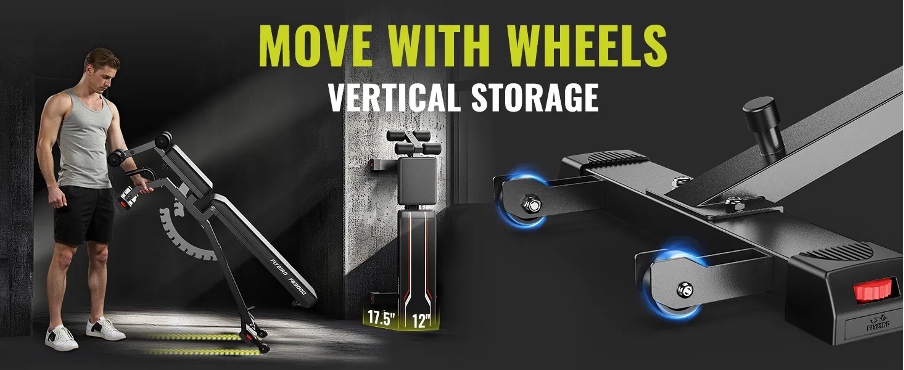
For home trainees, a home workout bench can expand supported strength movements with dumbbells or other suitable resistance. The goal is not owning a particular bench. It is creating a setup that lets you train major movement patterns consistently without turning the room into a complicated gym.
The Biggest Fat-Loss Lever Often Sits Outside the Workout
Exercise matters, but it is only part of the energy-balance equation. People sometimes respond to a stalled scale by adding harder workouts when food intake, portion sizes, liquid calories, weekend eating, or reduced daily movement may be contributing more to the plateau.
An aggressive diet is not the answer either. Cutting intake too sharply can make training feel worse and may make a plan harder to sustain. A more moderate approach gives you room to keep lifting, include cardio, and recover between sessions.
Stop Using Exercise as a Way to “Earn” Food
Treating workouts as punishment for eating can create an unhealthy cycle. Exercise is better viewed as training for health, strength, fitness, and capability, while nutrition supports the energy balance and recovery needed for those goals.
Calorie estimates from watches, cardio machines, and apps should also be treated cautiously. They can be useful for trends, but they are not exact measurements of how much food someone has “earned.” Use them as context, not as permission to automatically replace every estimated calorie after training.
A Simple Comparison: Choose the Tool for the Job You Need Done
If you are deciding how to spend limited training time, start with the problem you are trying to solve. Cardio and strength training overlap, but they are not interchangeable.
Cardio is useful when you want to increase aerobic fitness, add manageable weekly activity, or create an additional energy-expenditure opportunity. Strength training is useful when you want to preserve or build muscle, improve strength, and maintain performance while body weight changes.
For many people, the answer is a blended week. That does not require doing both in every session. You might lift on some days and walk, cycle, or use another cardio mode on others. You can also combine shorter amounts in one session if that suits your schedule and recovery.
Build a Home Setup Around the Strength Work You Will Actually Perform
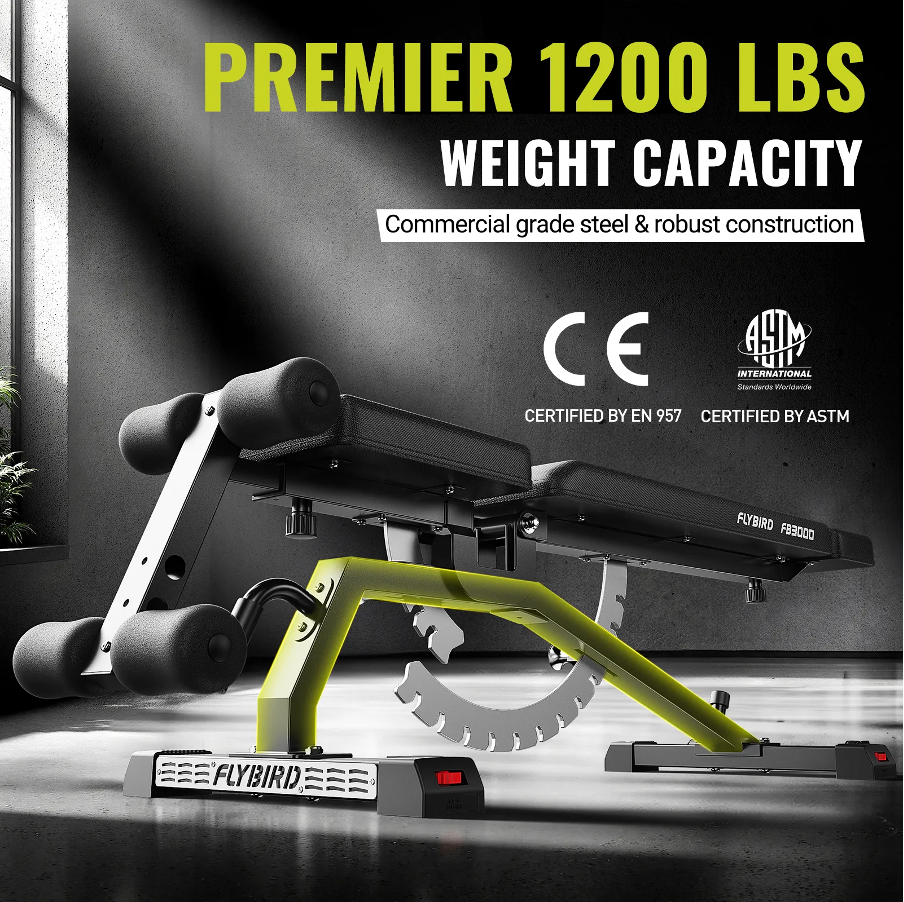
Home strength training becomes easier when the equipment supports exercises you already plan to repeat. A bench can be useful for pressing, supported rowing, seated movements, and other strength exercises, but it should fit your room, your training style, and the resistance you use.
The FED Fitness Flybird Series WB8 Heavy Duty Adjustable Weight Bench is one option for a home strength setup. Choose it only if the current official product information matches your space, exercise selection, storage needs, and training experience.
The best equipment does not cause fat loss by itself. Its value comes from making useful strength sessions easier to perform consistently. Before buying, review the current product page, manual, availability, and purchase policies so the decision is based on up-to-date information rather than an old article or assumption.
When Time Is Limited, Train Your Weakest Link First
A person who already walks a great deal but never performs resistance training may gain more from adding strength work than from adding another cardio session. Someone who lifts several times each week but spends the rest of the day sitting may benefit from more walking or moderate aerobic activity.
Use Performance and Recovery to Adjust the Mix
If strength is dropping week after week, review the size of the calorie deficit, sleep, training volume, and cardio intensity. If cardiovascular fitness is poor and basic activity feels difficult, the program may need more aerobic work. If both are progressing and the plan feels sustainable, there may be no reason to change it simply because someone online recommends a different ratio.
What a Balanced Fat-Loss Week Can Look Like
There is no universal schedule, but a practical week can include a few focused strength sessions, regular walking or other moderate activity, and one or more cardio sessions based on preference and recovery. Some people enjoy separating cardio and lifting. Others prefer a short cardio finish after strength work.
Keep the strength plan simple enough to track. Use movements such as squats or lunges, hinges, presses, rows, and core work, then progress gradually. For cardio, choose modes that do not create unnecessary joint discomfort or interfere with the next important strength session.
Rest is part of the plan. More training is not always more productive when fatigue changes technique, sleep, mood, or motivation. People managing pain, cardiovascular conditions, pregnancy, rehabilitation, or other medical concerns should seek individualized guidance before making major exercise changes.
Judge Fat Loss by Trends, Not by One Workout or One Weigh-In
A hard cardio session can make you feel as if you accomplished more because you sweated heavily. A strength workout can feel less dramatic even when it provides an important muscle-preserving stimulus. Neither feeling tells you how much body fat changed that day.
Body weight also fluctuates because of water, carbohydrate storage, sodium, digestion, and other normal factors. Look at longer trends and combine them with waist measurements, clothing fit, training performance, or other appropriate indicators.
Choose the Mix You Can Still Follow Months From Now
If the only question is which exercise tends to reduce more absolute fat mass, aerobic training often has an advantage over resistance training alone. That does not make strength work optional. Resistance training supports lean tissue and strength, while cardio builds aerobic fitness and adds useful activity. Many people benefit from combining both.
Start with a realistic nutrition plan, keep resistance training in the week, and add cardio in an amount you can recover from. Adjust based on progress rather than chasing the hardest possible schedule.
Before adding equipment, compare current FED Fitness options with your room, goals, and training habits. Choose tools that support exercises you will actually perform. The best fat-loss plan is not cardio versus strength; it is a sustainable system where both do the job they suit best.