The Attention Economy of the Future
Not all that long ago, humanity lived in an era when information was hard to come by. If people wanted to learn the succession of the leaders of Ancient Rome, they’d have to study an encyclopedia, and if they wanted even more information on a particular individual, they’d have to check out a book. Nowadays, the challenge of access to information has been completely eliminated. People can access whatever data they want, any time and from many different angles.
Since information is now in an overabundance, we find ourselves beyond the information age. So much content is being viewed that people are now consuming what used to be a year’s worth in less than a week. So what we’re entering is a battle for online users’ attention. Content meanwhile expands far beyond original written and video posts. Indeed, half of the reason people stick around is just to see what other people comment about it, just to see how similar their feelings about it are to everyone else’s. Some platforms are happy to pay for it, giving people a whole new generation of jobs.
The Current State of Online Attention
When you log onto YouTube, you encounter a very broad wealth of video variety:
- Top 10 ways to strengthen your charisma
- Kids listen to Blink-182 for the first time
- Why the US dollar is set to collapse
- How to get into Harvard
- How to apply concealer in your eye area
There is a never-ending stream of information online. Much of it is extremely useful, a lot of it is just pure rumination and cope, while other stuff is just there to distract people from their normal lives. Not all of it is, in fact, useful. Much of it is pure manipulation. There are a lot of prank videos where people do shocking things to strangers, while users are; meanwhile, unaware that they usually involve paid actors. Other content may involve fear-mongering to draw in people’s attention. People are certainly manipulated in all sorts of ways to keep their eyeballs on the screen.
You have people presenting cute puppies, others telling stories of how they were cheated on, and others claiming that the government is run by a bunch of lizard people.
That said, it’s become incredibly easy to learn how to pursue career paths because there is so much great information available online for all those who are motivated enough to stay focused and work hard. If you’re insecure about being able to cook difficult Thanksgiving dishes, you get hand-held every step of the way in video format.
Aside from being spectators, online users also have countless other entertainment options, such as first-person shooters and Odds96 Online gambling platform.
Vines and Shorts
This platform produced the precursor to shorts with 6-second vines in 2013, involving videos that were very brief in nice bite-sized chunks. Then TikTok arose to take the format to a whole new level, and YouTube followed up by producing shorts in its own right, which tend to last up to a minute. These are incredibly addicting since they come up with ways to hook people in all sorts of ways, showing them:
- Ways to feel smart
- Something cute and endearing
- An amazing feat
- A tearjerker
- Something hilarious
Written Content
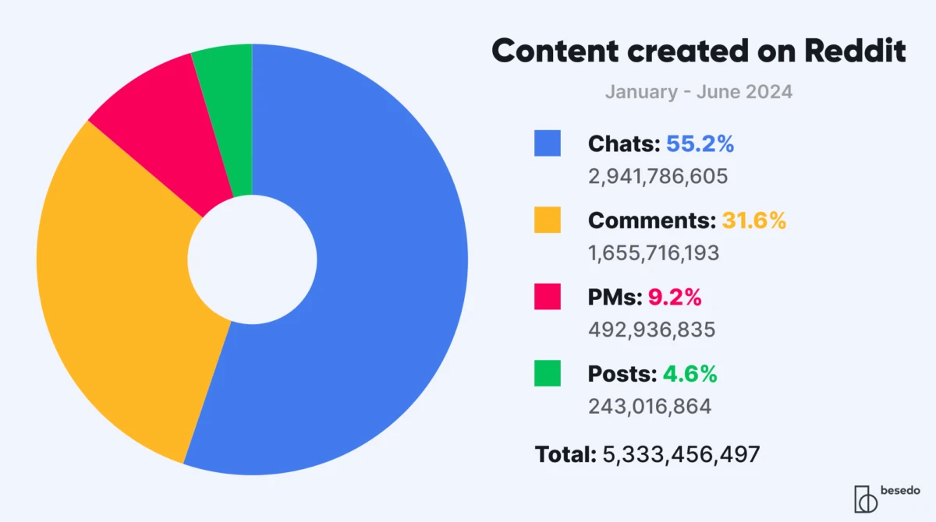
Platforms like Reddit allow people to discuss topics in great depth, which are geared around niche hobbies that they engage in. One big such area is gaming. There are also lots of communities of people who like to listen to other people who’ve tried the medication they’re on, for instance, azeleic acid.
On Facebook, people have the amazing opportunity to keep in touch with their family members and network with people, LinkedIn later emerging as a way to forge professional connections. There are also lots of groups that are more format-friendly than written post sites, such as Reddit and Quora.
How Platforms Profit Off of People’s Attention
After dominating market share and garnering lots of users, now it’s time for the social network to sell access to it. The longer they stay on the app, the more opportunities the platform has to show them ads and collect data about them.
Advertising
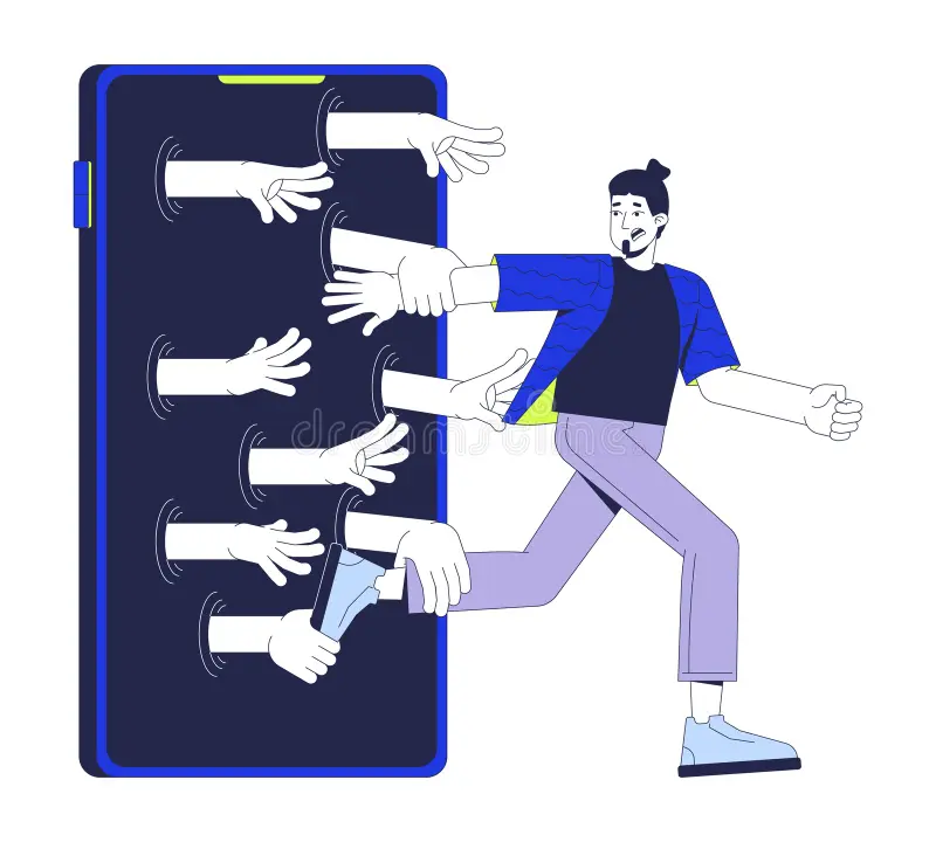
As you scroll, watch videos, and interact with posts, platforms learn what interests you and track what you click on, how long you spend watching something, and even what you hesitate on. This is used to build a detailed profile of you, which then can be used to more accurately target ads on you. Since they’re tailored to you, they grasp your attention much more effectively. Since these platforms have endless scrolling and autoplay, they remove natural stopping points and keep you consuming often for hours without even thinking about it.
Creators
These people play a crucial role in all of this. Platforms don’t have to actually come up with any content on their own, but rather just let millions of people compete for attention. Whoever keeps the users’ attention for the longest amount of time wins.
Advanced Ads
Ads are growing less and less obvious. They are now designed to resemble TED Talks, personal blogs, success stories, and often contain useful or shocking content just like the normal posts people love, but then they direct to a company. On top of that, content creators are paid to make advertisements within their content, often while making it look native – a seamless part of their lives that doesn’t appear to be an ad at all, yet it achieves the same objective.
Attention is effectively sold through automated systems. Advertisers bid in real time for the chance to show you something based on how valuable your profile is. The more predictable, the better.
Creation of New Jobs
Nobel prize-winner Herbert Simon was the one to propose this theory in 1971, claiming that attracting eyeballs should be turned into a means of generating income. As of 2021, the GameFi movement began, allowing people to make money. However, you had to be a really big influencer to be able to pull that off, payment periods dragged on for a long time, and not everyone could afford NFTs.
Watch2Earn
This has been the biggest hit in the attention economy so far. You literally get paid to read posts, view ads, and watch videos. The fact is that people are consuming content all the time, and only social networks have been hogging all the revenue for that, while users get nothing. It makes perfect sense to give users a piece of the pie and have them consume more and churn out posts, shares, and comments that will garner even more attention.
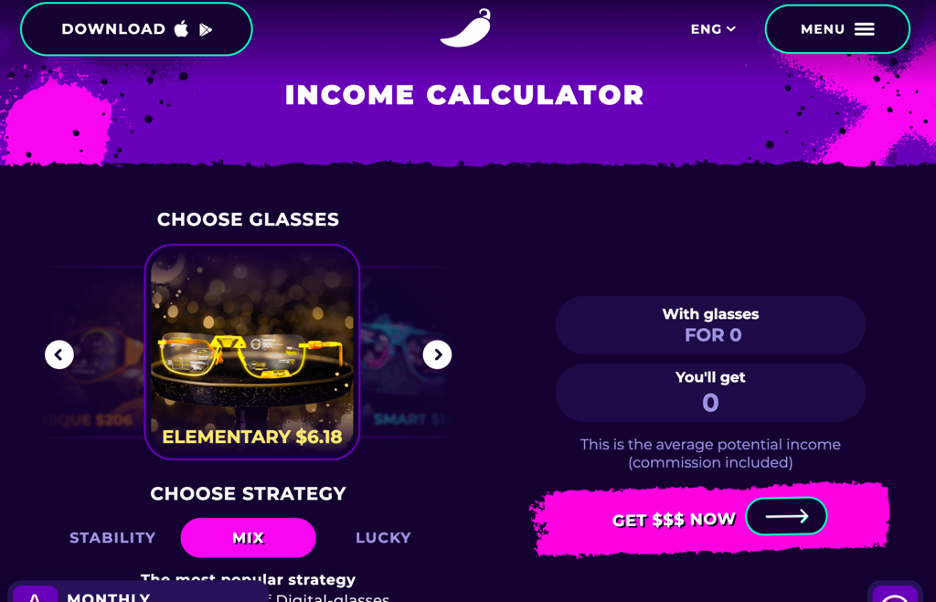
In its early beginnings, the attention economy has been slow to grow though, since the revenue that you make as a user on such platforms is slow. It’s essential for established social networks to implement them so that this new economy can hit critical mass. One such platform attempting to do so is Cheelee, which uses special NFT glasses, allowing users to obtain boxes of tokens as they view their feeds.
Future Outlook of the Attention Economy
Moving forward, we are going to see some content that is more emotionally charged and better engineered even than now. They’ll better reflect your interests, your behavior patterns, and your exact mood. If they realize that anger is the most addicting to you, they will post things that get under your skin, and if compassion does the trick for them, they’ll post more sad stories. AI has, of course, begun to already churn out huge volumes of incredible content. For now, it’s unbelievable for many watching it, and people have grown quite tired of it, but in the future, it may become more convincing.
With all the manipulation going on, there will likely be a counter-movement for people to reclaim control of how their attention is being used, pursuing digital minimalism and limiting their time online as well as trying to pass through more protective legislation. But lawmakers often have a lot of time keeping up with technology.