The Art of Unboxing Design: How Packaging Brands Use Video to Showcase the Experience
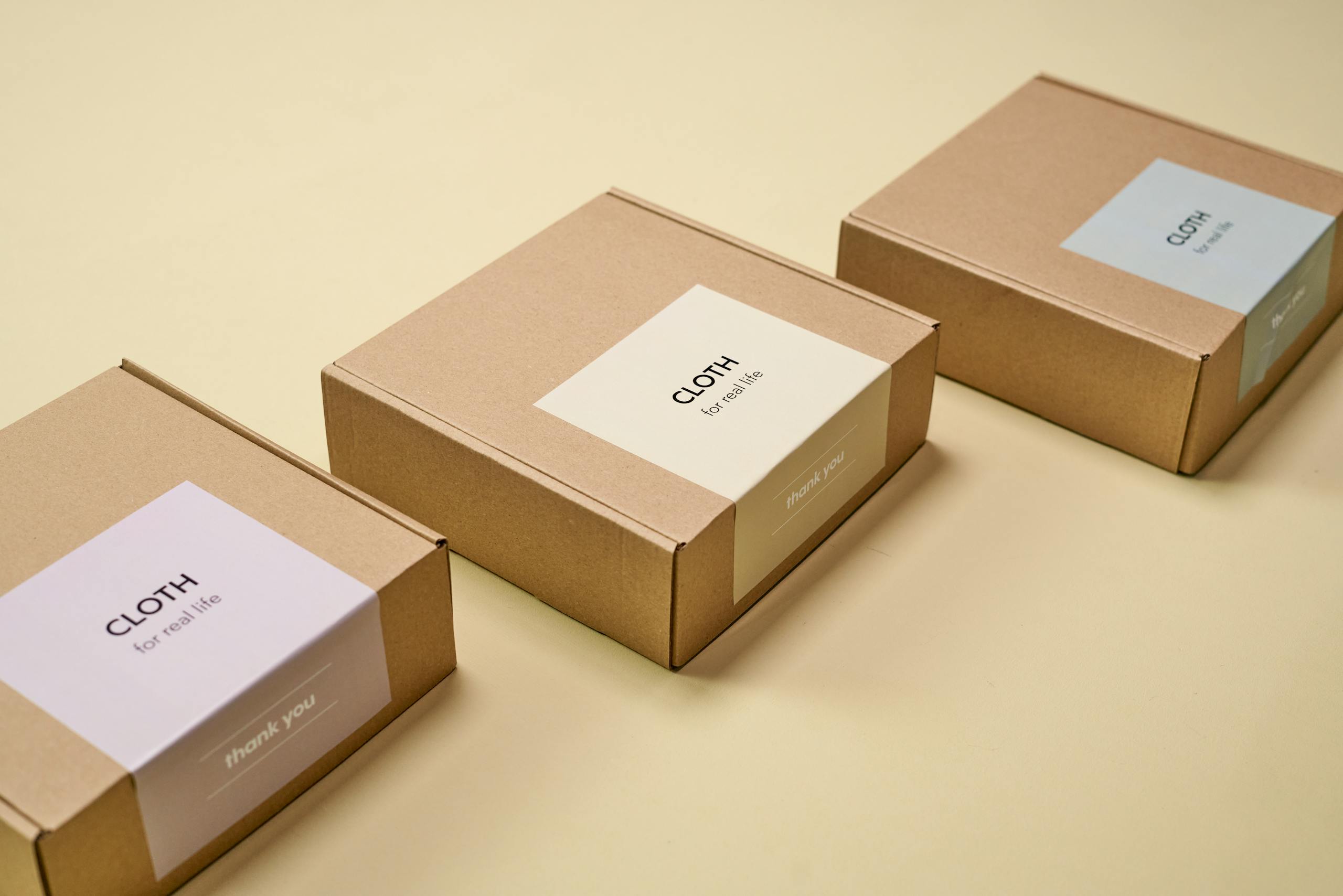
Packaging design has always had a timing problem. The designer’s work is experienced in a sequence — the first impression of the outer box, the anticipation as it opens, the reveal of what’s inside, the tactile details of the materials, the small surprises tucked into the construction. It’s a choreographed sensory experience that unfolds over fifteen or twenty seconds of real time. But the way packaging design is traditionally presented to clients and showcased in portfolios compresses that entire sequence into a single flat image: the finished box, photographed from one angle, frozen in one state. Open or closed. Never the act of opening.
This is the equivalent of marketing a film with a single still frame. You can choose a good frame, and it might hint at the quality of the whole experience, but it fundamentally cannot convey what makes the work special — the temporal dimension, the unfolding, the moment-by-moment experience of discovery. For packaging designers and the brands that commission them, this limitation has real commercial consequences. A client evaluating a packaging concept from a photograph has to imagine the unboxing experience. A consumer browsing a product online has to guess whether the packaging will feel premium or disappointing when it arrives. In both cases, the imagination falls short of reality, and the designer’s work is judged on a fraction of what it actually delivers.
The unboxing video format that exploded on YouTube and later on TikTok and Instagram proved how much the temporal dimension matters. These videos are popular not because viewers care about watching someone open a box. They’re popular because the act of opening a box is genuinely satisfying to watch — the anticipation, the reveal, the details noticed one by one. The format became a cultural phenomenon because it captures something real about how humans experience packaging. The design industry noticed, but the practical challenge remained: producing polished unboxing video content for every packaging project requires physical samples, filming equipment, lighting setup, editing time, and often multiple takes to get the reveal looking right.
Seedance 2.0 offers a different production path. It’s an AI video generation model that accepts images, text descriptions, video references, and audio as inputs, generating short clips up to fifteen seconds long with synchronized sound. For packaging designers and brands that have product photography and rendering of their packaging — which is standard practice in the industry — those existing visual assets become the starting point for video content that communicates the unboxing experience without requiring a physical sample or a production setup.
The Reveal Is Everything
In packaging design, the reveal moment is where the investment justifies itself. The magnetic closure that resists just slightly before releasing. The inner box that rises smoothly as the outer sleeve is removed. The tissue paper that parts to expose the product nested in a custom insert. The thank-you card positioned exactly where the customer’s eye falls first. Every one of these details was designed intentionally, and every one of them is invisible in a static photograph.
A short video clip that simulates the unboxing sequence — the lid lifting, the interior coming into view, the product emerging from its packaging environment — communicates the experience in the format that matches how it was designed to be experienced: sequentially. The viewer sees what the customer will see, in the order they’ll see it, with the pacing that the designer intended. The magnetic closure moment, the tissue paper reveal, the first glimpse of the product — each beat of the sequence lands the way it was choreographed.
For designers presenting concepts to clients, this is a communication tool that photographs can’t match. A rendering of a closed box and an open box side by side shows the before and after. A short clip showing the transition between those states — the physical act of opening — demonstrates what the customer will actually experience. The client doesn’t have to imagine the reveal. They watch it. The approval conversation shifts from “I think this will work” to “I can see this working,” which is a meaningfully different level of confidence.
Material and Texture in Motion
Packaging design is fundamentally a materials discipline. The weight of the paper stock, the texture of a soft-touch finish, the reflective quality of a foil stamp, the contrast between matte and gloss surfaces — these material choices are where packaging communicates quality before the product inside is even visible. A heavy, well-constructed box tells your hands that the brand takes itself seriously. A cheap, flimsy container tells you the opposite, regardless of what’s printed on it.
Photography captures some of these material qualities — a good photographer can suggest texture through lighting and angle. But motion reveals them more naturally. The way light moves across a foil-stamped logo as the box rotates. The slight flex of a rigid box that communicates its structural weight. The soft matte surface catching light differently as the viewing angle shifts. These material details come alive in motion in a way that still images can only approximate.
The audio dimension adds something unexpected to packaging content. Unboxing has a sound signature that’s more important than most people consciously realize. The crisp tear of a seal. The soft resistance of a magnetic closure. The rustle of tissue paper. The solid thud of a well-made box being set on a table. These sounds are part of the ASMR-adjacent appeal that makes unboxing content so satisfying to watch, and they communicate material quality through a sensory channel that photography doesn’t touch.
Seedance 2.0 generates audio alongside video, including the kind of textural, close-range sounds that define the unboxing experience. A clip showing hands lifting a box lid can include the subtle sound of the closure releasing and the whisper of the lid separating from the base. A clip showing tissue paper being folded back can include the distinctive rustle that signals careful wrapping. These audio details transform a visual demonstration into a sensory preview that creates anticipation for the physical experience.
Selling Design Services Through Experience
For packaging design studios and agencies, the portfolio is the primary sales tool. Prospective clients browse the portfolio to evaluate whether the studio’s aesthetic and capabilities match their needs. Traditionally, portfolios consist of photographs — hero shots of finished packaging, detail close-ups of finishes and materials, flat lays of packaging suites showing the full range of pieces in a system.
These photographs serve their purpose, but they present the work in a format that strips away the experiential quality that makes great packaging design valuable. A client looking at a beautiful photograph of a luxury cosmetics box understands intellectually that the packaging is well-designed. A client watching a fifteen-second clip of that same box being opened — seeing the reveal sequence, hearing the material sounds, experiencing the pacing that the designer built into the construction — understands emotionally why packaging design at this level is worth the investment.
This distinction matters commercially because packaging design is an investment that clients sometimes struggle to justify. The cost difference between adequate packaging and exceptional packaging is significant, and the value of that difference is experiential rather than functional. Both packages hold the product. Both protect it in shipping. The premium packaging creates a moment of pleasure and perceived value that adequate packaging doesn’t. Video communicates that experiential value in a way that makes the price conversation easier, because the client can feel the difference rather than just being told it exists.
E-Commerce Brands and the First Physical Touchpoint
For direct-to-consumer and e-commerce brands, packaging is often the first physical interaction the customer has with the brand. Everything before that moment — the website, the social media presence, the advertising, the checkout experience — was digital. The package arriving at the door is where the brand becomes tangible for the first time. That transition from digital to physical is a moment of extraordinary brand-building opportunity, and the packaging design determines whether the moment delivers or disappoints.
Showing the unboxing experience in pre-purchase marketing creates a preview of that transition. A product page that includes a short clip of the packaging being opened tells the customer not just what they’ll receive but how they’ll receive it. The anticipation generated by seeing a beautiful unboxing experience before purchasing influences both the decision to buy and the satisfaction upon receiving the order. The customer arrives at the physical experience with expectations that have been set by the video, and when the reality matches, the brand perception solidifies.
For subscription box brands, where the packaging experience repeats monthly, video content showing the unboxing sequence is even more directly tied to conversion. A potential subscriber deciding whether to commit to a recurring purchase is making a prediction about whether the experience will be worth it month after month. A clip that captures the delight of opening a carefully designed subscription box — the themed tissue paper, the curated arrangement of products, the printed insert that adds a personal touch — provides evidence for that prediction in the most persuasive format possible.
Seasonal and Limited Edition Packaging
Brands that invest in seasonal or limited edition packaging face a specific content challenge: the packaging exists for a limited time and needs to generate maximum impact during a narrow window. Holiday packaging, anniversary editions, collaboration releases, seasonal colorways — each one represents a design investment that needs to earn its return quickly.
Video content maximizes the impact of limited packaging runs because it communicates the full experience during the promotional window rather than reducing it to a photograph. A holiday edition packaging reveal in video format — showing the seasonal design elements, the special materials, the limited edition details — creates urgency and desire more effectively than a product photo with a “limited edition” label. The viewer doesn’t just see that the packaging is different. They experience how it’s different, and that experiential understanding drives both purchases and social sharing.
The speed of AI generation matches the timeline pressure of limited edition releases. Packaging photography for a seasonal run might happen days before launch. Generating video content from that photography can happen the same day, ensuring that video assets are available for the launch campaign rather than arriving after the promotional window has already opened.
Making the Invisible Visible
The fundamental challenge for packaging designers has always been that their best work is invisible to anyone who hasn’t physically handled it. The weight, the sound, the texture, the reveal sequence, the small moments of delight built into the construction — none of these qualities translate through the channels where most purchasing decisions are made. The designer creates an experience, and the marketing reduces it to an image.
Video doesn’t fully replicate the tactile experience of holding great packaging, but it communicates more of it than any other digital format. The motion, the sound, the sequential reveal, the material behavior under changing light — these dimensions bring the viewer closer to understanding what the physical experience will be. For designers trying to sell the value of their work, for brands trying to justify packaging investments, and for e-commerce businesses trying to preview a physical experience through a screen, Seedance 2.0 turns packaging photography into content that shows what the design actually does rather than just what it looks like. The packaging was designed to be opened. The content should show it being opened.