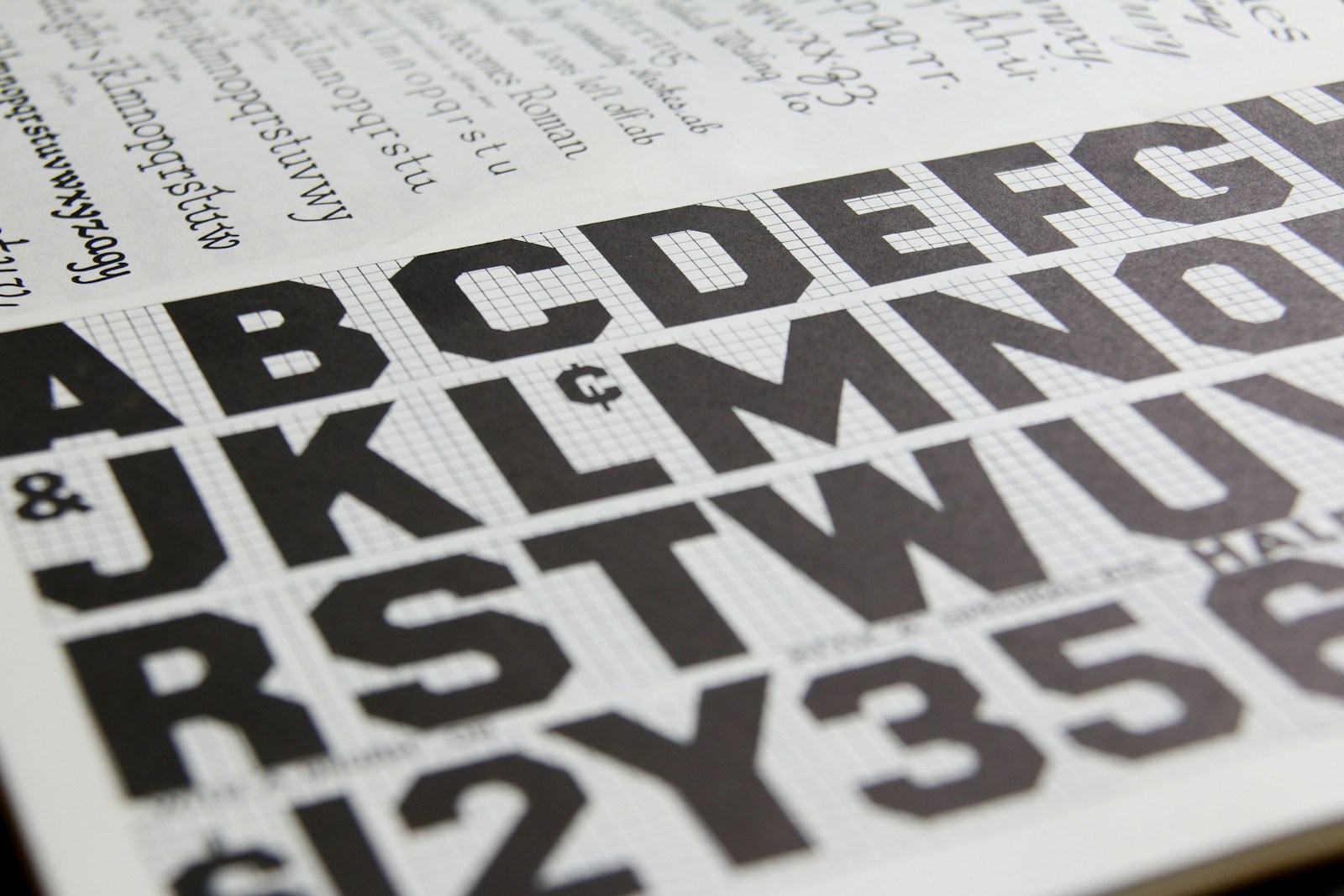
The 50 Most Epic Free Fonts Designers Should Download in 2026
Typography in 2026 has become a structural pillar of design. Brands stretch across mobile apps, websites, motion graphics, and packaging, so average fonts aren’t an option. Even AI chat platforms highlight how typography influences clarity, trust, and overall digital experience for users.
Free, high-quality fonts are in demand because designers need assets that scale cleanly across screens, file sizes, and interfaces. Deep AI chat workflows and ChatGPT design prompts accelerate prototyping, but they still depend on strong, legible fonts to maintain credibility and consistency in every layout.
Key shifts driving this demand:
- Budgets tightening for startups and freelancers
- More digital-first products requiring lightweight fonts
- Designers testing readability using deep chat ai tools
- Increased focus on cross-device clarity and micro-typography
Free fonts now rival commercial libraries in readability, character sets, and rendering. Smart pairing, optimized weight selection, and responsive scaling matter more than ever. A font must perform on smartwatch labels, desktop dashboards, and billboard campaigns without losing definition, sharpness, or balance.
This guide filters out tired, overused recommendations and focuses on fonts that deliver real functional value. Designers need fonts that elevate UX, strengthen brand presence, and hold clarity under pressure. Whether working in dashboards, marketing sites, pitch decks, or AI-assisted design environments, this list offers practical, upgrade-worthy choices.
Top Serif Fonts for Modern Brands
Serif fonts have re-emerged in 2026 with force. They communicate intelligence, trust, craftsmanship, and editorial sophistication. Brands aiming for authority, expertise, or premium positioning rely heavily on serif typography. Modern serifs are no longer old-fashioned. They are refined, sharp, minimal, and engineered for both digital and print systems.
Below are ten serif fonts that consistently deliver quality and flexibility across brand identities, packaging, magazines, websites, and large-format campaigns.
1. Playfair Display
Why it matters: Playfair Display blends classic high-contrast strokes with a contemporary finish. It carries elegance without feeling outdated.
Where it works best:
- fashion branding
- magazine-style editorials
- homepage hero titles
- luxury cosmetics packaging
Strengths: Large optical size, refined curve transitions, and strong presence in both black and white backgrounds.
2. Bodoni Moda
Why it matters: A modern, cleaner interpretation of Bodoni that delivers punch without becoming overly ornamental. It commands attention in headlines while staying readable.
Where it works best:
- fashion campaigns
- premium posters
- beauty or wellness branding
- high-end product catalogs
Strengths: High contrast, sharp verticals, excellent for dramatic titles.
3. Lora
Why it matters: Lora is one of the most balanced serif fonts available today. It sits comfortably between modern and traditional, giving brands a credible yet approachable tone.
Where it works best:
- long-form editorial content
- blogs
- corporate websites
- financial and consulting brands
Strengths: Strong readability, smooth letterforms, balanced proportions.
4. Cormorant Garamond
Why it matters: Cormorant offers a hand-crafted aesthetic without losing precision. It’s expressive, refined, and carries personality.
Where it works best:
- book covers
- boutique branding
- artisanal product packaging
- high-end invitations
Strengths: Elegant curves and artistic impressions that feel premium, not decorative.
5. Spectral
Why it matters: Spectral is engineered for digital environments. It’s a variable serif designed to work flawlessly across content-heavy interfaces.
Where it works best:
- reading platforms
- mobile apps
- editorial websites
- knowledge base systems
Strengths: Versatile weight ranges, high legibility in dense text blocks, excellent web performance.
6. Alegreya
Why it matters: Alegreya is constructed for rhythm. It holds structure even in long paragraphs, making it ideal for storytelling and publishing.
Where it works best:
- newspapers
- essays
- policy or educational materials
- documentary-style websites
Strengths: Humanist tone, readable at multiple sizes, friendly yet serious.
7. Merriweather
Why it matters: Merriweather has been optimized for screen content. Its larger x-height and generous spacing make it readable on smaller mobile displays.
Where it works best:
- online journals
- product documentation
- corporate blogs
- government or institutional sites
Strengths: Reliable on low-resolution screens, clear letter shaping, stable performance across browsers.
8. Libre Baskerville
Why it matters: A modernized version of a classic book serif. It gives any design a trustworthy, grounded tone without feeling heavy.
Where it works best:
- financial reports
- university branding
- brand storytelling
- infographic headings
Strengths: Strong letter clarity, refined typography suitable for credibility-focused brands.
9. Crimson Pro
Why it matters: Crimson Pro is a professional-grade serif family ideal for premium editorial projects. It’s sharp, structured, and refined.
Where it works best:
- academic publications
- corporate reports
- clean editorial designs
- high-end print media
Strengths: Variable weights, crisp strokes, consistent performance in print and digital.
10. Newsreader
Why it matters: Newsreader is designed for modern journalism and digital reading platforms. Clean, stable, and elegant.
Where it works best:
- media websites
- analytical platforms
- news apps
- research reports
Strengths: Clear hierarchy support, versatile weights, strong presence at both small and large sizes.
Top Sans-Serif Fonts for Clean UI/UX
Sans-serif fonts define modern digital design. They are clean, structured, and built for clarity. In 2026, brands rely more than ever on sans-serifs for dashboards, mobile apps, web interfaces, SaaS products, and multi-channel design systems. These fonts must be lightweight, readable in small sizes, and flexible across screen densities.
Below are ten sans-serif fonts that consistently perform in real product environments.
1. Inter
Why it matters: Inter is the most reliable, widely adopted UI font for digital products. It was engineered specifically for interfaces, not print.
Where it works best:
- dashboards
- mobile app interfaces
- SaaS products
- notifications and system text
Strengths: Exceptional readability at small sizes, variable weights, clean hinting for screens, geometric but humanistic shape.
2. Space Grotesk
Why it matters: Space Grotesk adds a modern, slightly futuristic character without compromising clarity.
Where it works best:
- landing pages
- product websites
- bold UI headers
- visual identity systems for tech startups
Strengths: Wide letter spacing, distinct geometry, great for titles and hero text.
3. Urbanist
Why it matters: Urbanist is a full variable family built for design systems. Its neutrality makes it easy to use across brand assets.
Where it works best:
- UI kits
- style guides
- responsive layouts
- embedded device interfaces
Strengths: Flexible from Thin to Black, clean baselines, lightweight file size.
4. Manrope
Why it matters: Manrope is a geometric sans with a professional, product-ready feel.
Where it works best:
- fintech platforms
- minimal modern websites
- enterprise dashboards
- data visualization
Strengths: Strong character consistency, modern curves, excellent for clean layouts.
5. Outfit
Why it matters: Outfit is optimized for screen rendering and small sizes, making it ideal for dense interfaces.
Where it works best:
- mobile menus
- dropdowns
- app onboarding screens
- compact UI patterns
Strengths: Readable at tiny sizes, efficient spacing, smooth alignment.
6. Work Sans
Why it matters: Work Sans is engineered to work across multiple text ranges. Light weights feel elegant, bold weights feel strong.
Where it works best:
- web apps
- marketing sites
- content-heavy pages
- app navigation menus
Strengths: Clean curves, readable at body text sizes, subtle personality without distraction.
7. Public Sans
Why it matters: Public Sans was designed for clarity, accessibility, and governmental usability — making it perfect for large-scale systems.
Where it works best:
- public service websites
- B2B SaaS
- knowledge bases
- government or institutional platforms
Strengths: Accessibility compliance, consistent readability, neutral tone.
8. Plus Jakarta Sans
Why it matters: A modern, versatile sans-serif with expressive shapes and excellent performance.
Where it works best:
- branding
- app interfaces
- social graphics
- product marketing
Strengths: Great contrast between weights, aesthetic balance, expressive yet professional.
9. IBM Plex Sans
Why it matters: Designed by IBM as part of a global type system, Plex Sans brings corporate-level precision.
Where it works best:
- enterprise UI
- technical documentation
- data-heavy interfaces
- system architecture diagrams
Strengths: Professional tone, excellent for complex layouts, highly legible at multiple sizes.
10. Source Sans Pro
Why it matters: Adobe’s first open-source typeface remains one of the cleanest system-ready fonts available.
Where it works best:
- long-form web content
- documentation
- training portals
- UI body text
Strengths: Neutral, versatile, highly readable across browsers and platforms.
Script & Handwritten Fonts Designers Overlook
Script and handwritten fonts are often misused, misunderstood, or dismissed as “too decorative.” But in 2026, these fonts hold massive value when applied with intention.
They add personality, warmth, emotion, and human touch at a time when branding often feels overly minimal and mechanical. When used correctly, script fonts deliver authenticity without compromising readability.
Below are ten script and handwritten fonts that designers should actively consider in branding, packaging, social content, lifestyle campaigns, and expressive design systems.
1. Great Vibes
Why it matters: Elegant with fluid movement, Great Vibes is the definition of refined handwriting. It carries luxury energy without being overly ornate.
Where it works best:
- wedding branding
- premium packaging
- boutique logos
- editorial accent text
Strengths: Smooth curves, balanced flow, professional look in both print and digital.
2. Pacifico
Why it matters: Pacifico reflects a playful, casual, lifestyle-friendly vibe. It’s friendly without feeling childish.
Where it works best:
- food brands
- lifestyle products
- travel blogs
- casual apparel
Strengths: Rounded strokes, bold presence, strong recognition.
3. Dancing Script
Why it matters: Dancing Script feels alive. It has a rhythmic movement that makes words look like they were written quickly and confidently.
Where it works best:
- social media graphics
- event posters
- creative campaigns
- informal branding
Strengths: Energetic, modern, expressive.
4. Caveat
Why it matters: Caveat gives the authentic look of a handwritten note without losing clarity. It’s perfect for designs that need a personal, human feel.
Where it works best:
- annotations
- explainer graphics
- product inserts
- organic product branding
Strengths: Clean handwritten look, readable at small sizes, excellent for digital assets.
5. Parisienne
Why it matters: Parisienne has refined curves and soft elegance, making it ideal for feminine brands and luxury labels.
Where it works best:
- beauty products
- upscale boutiques
- invitations
- fragrances
Strengths: Graceful flow, lightweight, balanced structure.
6. Satisfy
Why it matters: Satisfy blends classic cursive with modern flair. It feels handwritten but polished, making it easy to integrate in branding systems.
Where it works best:
- signature-style logos
- personal branding
- lifestyle websites
- marketing campaigns
Strengths: Readable lines, strong identity, works well on dark and light backgrounds.
7. Sacramento
Why it matters: Sacramento is a monoline script designed for elegance without clutter. It brings a vintage vibe with clean simplicity.
Where it works best:
- café branding
- nostalgic design themes
- artisan products
- packaging
Strengths: Minimal script style, strong individuality, easy to balance with sans-serif fonts.
8. Alex Brush
Why it matters: Alex Brush is polished, smooth, and designed with exceptional readability, even in smaller sizes.
Where it works best:
- invitations
- formal events
- fashion lookbooks
- certificate designs
Strengths: High legibility, elegant strokes, clean diagonals.
9. Yellowtail
Why it matters: Yellowtail combines vintage script aesthetics with bold, dynamic movement. It feels like a classic sign painter’s handwriting.
Where it works best:
- retro branding
- signage
- café or diner menus
- apparel
Strengths: Strong personality, high visual impact, timeless charm.
10. Cookie
Why it matters: Cookie is light, friendly, and charming. It’s a soft script font perfect for brand elements that need a gentle human tone.
Where it works best:
- bakery branding
- children’s products
- greeting cards
- soft lifestyle visuals
Strengths: Open letterforms, approachable tone, balanced spacing.
Bold Display Fonts for High-Impact Visuals
Display fonts exist for one purpose: impact. These fonts dominate posters, billboards, hero headers, product launches, and high-energy campaigns. They are not for paragraphs. They are not for tiny UI systems. They are for moments where a design needs to punch through noise and demand attention.
In 2026, display typography has become even more important because social platforms reward strong, eye-catching visuals. Brands need fonts that can stop scrolling thumbs in half a second. These ten display fonts deliver the intensity, structure, and visual loudness required to cut through crowded feeds and competitive marketing spaces.
1. Anton
Why it matters: Anton is bold, condensed, and engineered to dominate any space it occupies. Thick strokes give it a commanding presence.
Where it works best:
- billboards
- sports graphics
- hero headlines
- promotional banners
Strengths: Extreme weight, clean vertical structure, zero distraction.
2. Bebas Neue
Why it matters: Bebas Neue is a staple for strong, clean, capitalized headlines. It has a modern industrial feel that suits many contemporary brands.
Where it works best:
- event posters
- brand ads
- editorial headlines
- technology campaigns
Strengths: Tall letterforms, consistent weight, clear hierarchy-building potential.
3. Oswald
Why it matters: Oswald reinterprets a classic gothic type style into a modern digital-ready form. It’s bold but readable.
Where it works best:
- editorial layouts
- news graphics
- bold website headers
- product launches
Strengths: Strong presence, works well in uppercase and lowercase, balanced width.
4. Alfa Slab One
Why it matters: Alfa Slab One brings vintage slab energy with heavy, dramatic serifs. It stands out in markets that need bold personality.
Where it works best:
- restaurant branding
- retro campaigns
- signage
- packaging labels
Strengths: Thick slabs, wide stance, high theatrical impact.
5. Kanit
Why it matters: Kanit fuses geometric shapes with futuristic styling. It’s ideal for tech-first branding that demands a modern edge.
Where it works best:
- gaming brands
- technology startups
- innovation events
- motion graphics
Strengths: Futuristic tone, sharp angles, modern attitude.
6. Bungee
Why it matters: Bungee feels bold, urban, and dimensional — perfect for signage and environments where text needs to pop.
Where it works best:
- storefront signs
- billboards
- large-scale branding
- digital signage
Strengths: High visibility, powerful line weight, strong legibility from distance.
7. Black Ops One
Why it matters: This font carries a militaristic, tactical identity. It’s aggressive, dramatic, and ideal for heavy-impact themes.
Where it works best:
- sports branding
- action-themed content
- streetwear graphics
- promo visuals
Strengths: Sharp edges, condensed feel, gritty attitude.
8. Fredoka One
Why it matters: Fredoka One is round, playful, and heavy without feeling aggressive. It’s visually loud but friendly.
Where it works best:
- food brands
- kids products
- lifestyle content
- social campaigns
Strengths: Rounded geometry, warm energy, bold presence without harshness.
9. Monoton
Why it matters: Monoton is a display font built for neon-like visual style. It works brilliantly when designers want retro electronic flair.
Where it works best:
- event posters
- nightlife branding
- music visuals
- retro-themed reels
Strengths: Decorative lines, unique character, strong visual rhythm.
10. Chonburi
Why it matters: Chonburi blends boldness with soft curves, giving designs a distinctive handcrafted display aesthetic.
Where it works best:
- festival posters
- creative ads
- handcrafted product branding
- cultural or vibrant event visuals
Strengths: Heavy strokes, expressive style, striking thickness variations.
Minimalist Fonts for Premium Branding
Minimalism continues to dominate high-end branding in 2026. Luxury brands, tech companies, lifestyle products, and premium digital platforms rely heavily on crisp, balanced, and understated typography. Minimalist fonts communicate confidence without shouting. They allow space, color, and composition to breathe while maintaining visual authority.
Below are ten minimalist fonts that consistently elevate brand identity and design systems.
1. Sora
Why it matters: Sora blends geometric precision with soft rounding, making it both modern and approachable. It carries a premium feel without being stiff.
Where it works best:
- fintech dashboards
- tech startups
- minimal brand identities
- sleek product websites
Strengths: Clean strokes, high legibility, elegant neutrality.
2. Poppins
Why it matters: Poppins is geometric, balanced, and extremely versatile. Its circular structure gives brands a clean, contemporary feel.
Where it works best:
- app interfaces
- professional services
- multi-language branding
- corporate websites
Strengths: Large x-height, perfect kerning, many weights.
3. Mulish
Why it matters: Mulish is designed for smooth digital readability. It feels refined without losing simplicity, making it ideal for modern, mature brands.
Where it works best:
- product pages
- B2B SaaS
- user onboarding flows
- brand guidelines
Strengths: Balanced curves, readable at small sizes, clean vertical structure.
4. Quicksand
Why it matters: Quicksand delivers gentle curves and rounded edges that feel friendly yet clean. It’s perfect for warm, approachable branding.
Where it works best:
- health and wellness brands
- children’s products
- lifestyle apps
- personal branding
Strengths: Soft geometry, welcoming aesthetic, easy readability.
5. Red Hat Display
Why it matters: Red Hat Display is crafted for corporate-level clarity. It holds weight without visually overwhelming the design.
Where it works best:
- enterprise branding
- technology platforms
- documentation
- data visualization
Strengths: Straightforward strokes, minimal lines, strong structure.
6. Raleway
Why it matters: Raleway combines sophistication with simplicity. It works exceptionally well in clean, upscale branding.
Where it works best:
- luxury lifestyle brands
- fashion websites
- hotel and travel identities
- premium packaging
Strengths: Slim letterforms, crisp curves, large family of styles.
7. Exo 2
Why it matters: Exo 2 blends futuristic geometry with minimalist efficiency. It’s ideal for tech-facing identities.
Where it works best:
- AI products
- IoT platforms
- robotics branding
- modern UX systems
Strengths: Sleek angles, modern tone, many weights for nuanced hierarchy.
8. Nunito
Why it matters: Nunito achieves rare softness without losing polish. It’s welcoming while staying clean enough for professional use.
Where it works best:
- education platforms
- NGOs
- community apps
- wellness brands
Strengths: Perfect roundness, balanced tone, approachable personality.
9. Lexend
Why it matters: Lexend was designed for reading performance and accessibility. Its features reduce visual strain and support inclusive design.
Where it works best:
- ed-tech
- high-density reading platforms
- accessibility-focused interfaces
- corporate documentation
Strengths: Optimized for readability, excellent spacing, supportive of dyslexic readers.
10. Jost
Why it matters: Jost is a modern reinterpretation of classic geometric forms. It’s crisp, clean, and visually steady across design systems.
Where it works best:
- digital agencies
- professional services
- tech brands
- portfolios and case studies
Strengths: Precise geometry, versatile family, elegant line height.
How to Pair These Fonts Like a Professional
Most fonts fail not because they are bad, but because they are paired poorly. Typography is a system. Fonts must complement each other in tone, proportion, weight, contrast, and purpose. A great pairing creates balance and hierarchy. A wrong pairing creates tension, clutter, or visual inconsistency.
Below are practical, foolproof pairing strategies used by professional designers.
1. Serif + Sans: The Classic High-End Combination
This pairing delivers balance between tradition and modern clarity. Perfect for brands that want authority and sophistication.
Example pairing: Playfair Display (Serif) + Inter (Sans)
Why it works: Playfair Display handles expressive headlines while Inter delivers clean, readable body text. This pairing is often seen in luxury, editorial, and premium product websites.
Best for:
- lifestyle brands
- luxury cosmetics
- magazines
- high-end ecommerce
2. Sans + Sans: Clean, Minimal, Modern
Using two sans-serif fonts creates a minimal aesthetic. The trick is choosing contrasting weights or widths to avoid monotony.
Example pairing: Poppins (Sans) + Outfit (Sans)
Why it works: Poppins adds geometric polish, while Outfit provides stability for paragraphs and UI. Together they feel fresh and modern.
Best for:
- SaaS landing pages
- dashboards
- mobile apps
- fintech
3. Script + Sans: Personality With Professional Clarity
Script fonts introduce emotion, while sans-serifs keep the layout grounded.
Example pairing: Great Vibes (Script) + Urbanist (Sans)
Why it works: Great Vibes adds a signature-style flourish for titles or accents, while Urbanist maintains readability across the main content.
Best for:
- boutique brands
- wedding or event sites
- handmade product shops
- lifestyle blogs
4. Display + Minimal Sans: High Impact Meets Stability
Display fonts should be used sparingly—just enough for punch—but paired with a neutral sans to keep the design balanced.
Example pairing: Anton (Display) + Mulish (Sans)
Why it works: Anton is bold and attention-grabbing; Mulish brings contrast and calm structure to the rest of the layout.
Best for:
- promotional campaigns
- event posters
- video thumbnails
- hero banners
5. Serif + Serif: When Done Right, It’s Editorial Excellence
This works only when one serif is dramatic and the other is simple.
Example pairing: Bodoni Moda (Headline) + Merriweather (Body)
Why it works: Bodoni provides high-contrast style for headlines, while Merriweather ensures readability for longer text.
Best for:
- journalism
- editorial design
- digital magazines
- research platforms
6. Using Variable Fonts for Dynamic Hierarchy
Variable fonts allow adjustments in width, weight, and slant without switching families.
Example approach: Use Urbanist Variable for titles, subtitles, and body text adjusting only the weight range.
Why it works: You maintain a unified brand feel while creating hierarchy through subtle variation.
Best for:
- enterprise dashboards
- design systems
- large-scale product interfaces
7. Avoid Common Pairing Mistakes
- Mistake 1: Combining two overly similar fonts. It results in no hierarchy and visual confusion.
- Mistake 2: Using script fonts for body text. Script should never be used for long paragraphs.
- Mistake 3: Using display fonts at small sizes. Display fonts lose clarity when reduced.
- Mistake 4: Using handwritten fonts too frequently. Use them only for accents or emphasis.
- Mistake 5: Ignoring vertical rhythm and spacing. Different typefaces need adjusted line height to look balanced.
Criteria Used to Rank the Fonts
Before diving into the categories, it’s important to establish the evaluation criteria. These fonts weren’t chosen for popularity. They were chosen for how they perform in actual design workflows.
1. Clarity and Readability
A font must be sharp across different screen types, densities, and sizes. A good font maintains legibility in:
- mobile UI
- desktop web interfaces
- poster-sized headlines
- small paragraph text
- dark mode and light mode
Clean glyph shapes and balanced spacing make a font usable across multiple contexts.
2. Licensing Safety
Only fonts with clear, safe licensing terms are included. No ambiguous rights, no personal-use traps, no hidden commercial restrictions. Designers working with clients need fonts that can be embedded in apps, used on websites, included in branding kits, and distributed legally across assets.
3. Versatility Across Use Cases
A modern typeface should work across multiple formats:
- branding
- UX/UI
- social media graphics
- marketing campaigns
- pitch decks
- printed brochures
- packaging
- motion graphics
- ecommerce product pages
Fonts that only work in one narrow niche are avoided.
4. Brand Adaptability
In 2026, a single brand may need radically different voices depending on channel. A good font must adapt across tones:
- minimal
- luxury
- editorial
- bold
- technical
- expressive
- playful
Fonts with complete families, multiple weights, and variable formats score higher.
5. Digital Performance
File weight, hinting quality, and screen rendering matter. Heavy fonts slow website performance and reduce SEO scores. Poor hinting creates blurry edges. A top-tier font needs to be lightweight, optimized, and stable on all major browsers.
Conclusion – Typography in 2026 Is About Versatility and Intent
Font choice is now a strategic decision. Visual identity systems demand typefaces that scale across platforms, screens, and formats. Designers must think in systems, not single-use assets. Free fonts no longer carry the stigma of low quality. Many outperform commercial alternatives on clarity, readability, adaptability, and digital performance.
The real advantage lies in knowing how to use them:
- which fonts express the right tone
- which fonts work across interfaces
- which fonts hold clarity across devices
- which pairs elevate brand storytelling
- which combinations create rhythm instead of noise
In 2026, typography is both an art and a functional tool. Great fonts aren’t just downloaded—they’re deployed with purpose. Designers who understand this outperform those who rely on generic, overused options. This list gives you a toolkit of fifty free typefaces that can transform branding, interfaces, websites, packaging, and campaigns into polished, modern, high-impact work.