How Stress Reduction Can Improve Confidence and Performance
Stress is now almost a normal part of life. Though some level of pressure leads to action, in the long run, stress is usually the killer of the action. It has a silent influence on emotional equilibrium, physical activity, concentration, and confidence in general.
This psychological burden may, over tim,e affect day-to-day performance at work, in a relationship, and even personal well-being. The process of stress reduction is one of the factors that need to be understood to be on a path to confidence in the long term and stable performance.
Learning the Relationship between Stress and Confidence
Stress has a direct toll on the nervous system, in particular, hormones which make a person alert, happy, and motivated. The body is in a continuous fight-or-flight mode when the level of stress is elevated. Consequently, there is reduced quality of sleep, impaired concentration, and a lack of control in emotional response.
This disparity is usually manifested through self-doubt or shyness. When the mind feels overwhelmed or is tired, then confidence tends to drop. With time, this cycle generates a distance between the potential and the performance. Nevertheless, when stress levels decrease, the brain re-calibrates and individuals start to think properly, react to the stressor, and recover confidence in themselves and their own capacities.
Reason Why Performance Deteriorates in Chronic Stress
Mental clarity and emotional stability are very important to performance. As stress accumulates, the brain does not focus on being creative or making decisions, but on survival. Work that previously seemed to be manageable begins to seem exhausting.
Examples of some of the common ways stress impacts performance are:
- Less concentration and attention.
- Slower decision-making
- Lower motivation levels
- Increased fear of failure
As soon as the stress levels are reduced, the mental energy will be regained. The change will assist in improved planning, faster response, and consistency of output in day-to-day tasks.
Five Stress Reduction Techniques That Work in Real Life
There is no need for extreme lifestyle changes to reduce stress. Actually, straightforward and recurring routines tend to produce the most efficient outcomes. These practices aided mental sanity and emotional assurance when done on a regular basis.
A few of the useful methods are:
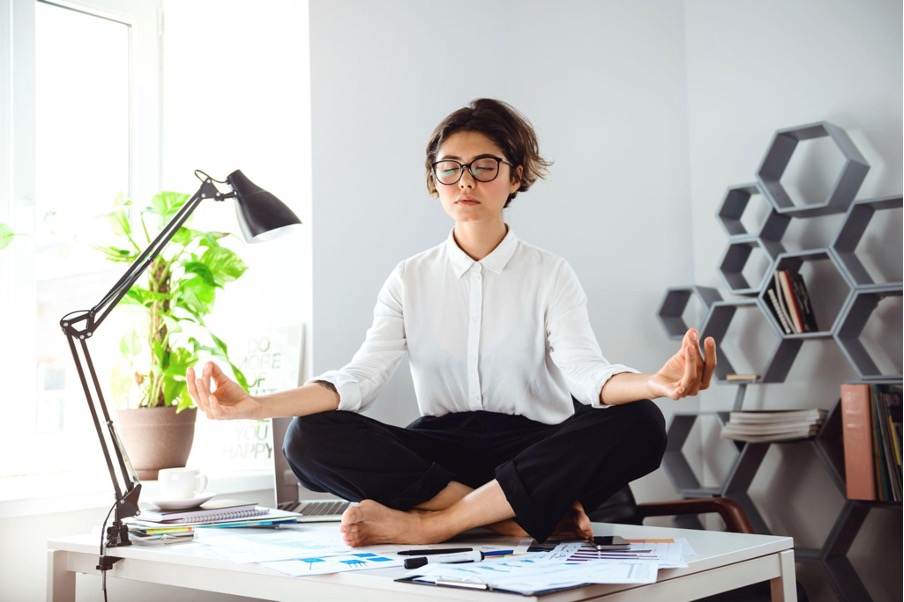
- Mindful breathing: Deceleration of the breathing rhythm allows calming the nervous system and decreasing the noise of the mind.
- Routine activities: Figurehead schedules minimize choice exhaustion and generate a feeling of control.
- Physical activity: Vigorous fitness exercise will release endorphins, which, naturally, will boost mood and self-esteem.
- Digital boundaries: To reduce information overload, it is possible to limit the number of constant notifications with which the brain will rest.
- These habits eventually lessen the pressure on the inside and enhance the approach to challenges.
Emotional Awareness: The Secret of Confidence
Stress is not always realized, as one pays no attention to emotional signals. Emotional awareness entails becoming aware of tension, frustration, or anxiety before they can develop. These signals could be suppressed or dealt with once they are detected.
A person who becomes emotionally aware is likely to react in a prudent manner instead of acting on an impulse. This skill makes one more confident as actions become more consistent with intentions and values. With the decrease in stress, one can become emotionally clearer, and social and professional communication becomes smoother and more efficient.
Lifestyle Factors that helped me to cope with stress long-term
The process of stress reduction is optimized with the help of daily lifestyle decisions. The mind is also affected by sleep, nutrition, and social connection in dealing with pressure.
The lifestyle factors that can be used to reduce stress include:
- Regular sleeping habits that enable the body to relax adequately.
- Even-meal diets that maintain the energy levels.
- Social interaction that provides emotional support on a regular basis.
- Get time to enjoy hobbies or interests that will give mental relief.
With these factors present, confidence comes easily as the body and mind are not overworked.
When Professional Support Becomes Assistance
Although self-care plans are effective among most people, there are stress patterns that would need more intensive guidance. Professional assistance is used to find underlying causes of problems that do not lie on the surface. This is a method that works on mental and performance enhancement.
The people in cities such as Pune tend to demand the kind of guided help in their management of stress in terms of work-related problems, relationship issues, or performance fears. The availability of skilled practitioners, the best sexologist in Pune to be named, will enable individuals to solve issues related to the lack of confidence in a comprehensive and medically enlightened manner. Counseling, therapy, and wellness consultation clinics provide a non-judgmental environment to overcome stress.
Support Services in Everyday Life
Convenience and privacy are also other elements that are emphasized in modern healthcare services. Various health and wellness sites provide virtual and in-office advice, and thus, expert advice is more accessible. Examples of such services are stress management counseling, mental health evaluations, lifestyle coaching, and customized health consultancy.
In places like Baner and Wakad, people have become more interested in integrated care models where mental, emotional, and physical health are taken care of. There are also reputable support services such as Allo Health, which has a nationwide reputation as an outstanding sexual health and wellness care site, that provide a structured support that will enhance confidence and performance without affecting normal daily practices.
Conclusion
Reducing stress does not only involve being less stressed. It directly affects trust, clarity, and the ability to act in a steady manner. Learning stress patterns, developing simple everyday habits, and finding support when it is necessary, people will be able to regain confidence in their possibilities and take every challenge with a grain of salt.
With the rising awareness concerning the state of mental wellness, professional guidance can be an inseparable element of daily life, which will allow achieving confidence and better results over time.